Military Brass Warned Trump of Iran War Disaster
Military leaders reportedly warned President Trump of severe repercussions from attacking Iran, including the closure of the vital Strait of Hormuz. Despite these warnings, the administration proceeded, leading to global economic instability and questions about leadership decisions.

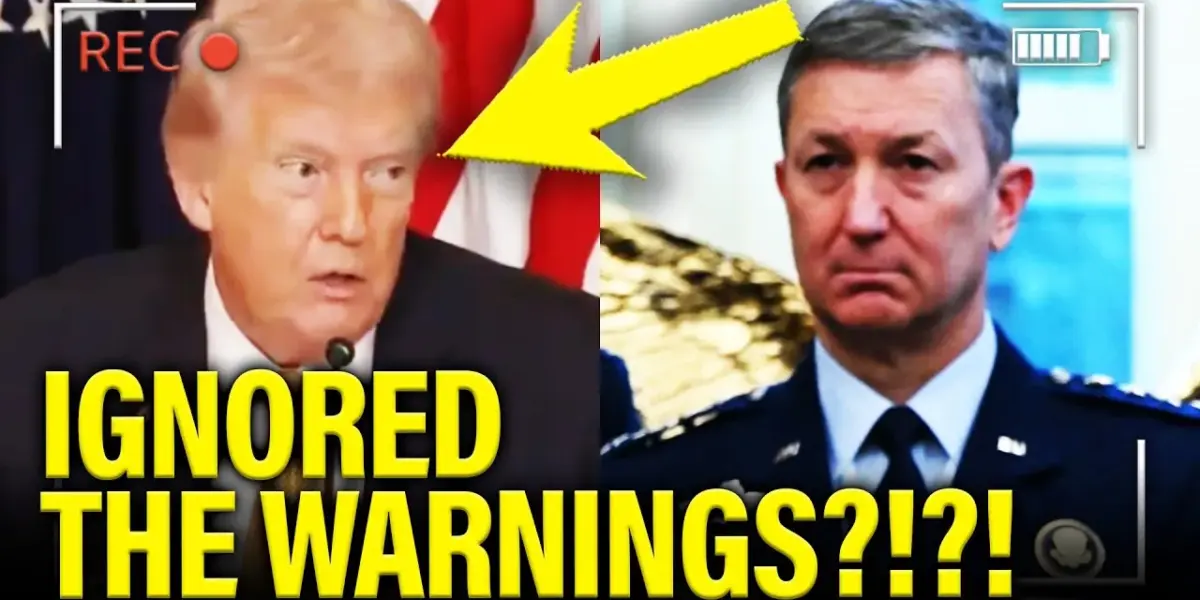
Military Brass Warned Trump of Iran War Disaster
Recent reports, notably from Rupert Murdoch’s Wall Street Journal, have cast a stark light on the decision-making process within the Trump administration regarding Iran. The narrative emerging suggests that crucial warnings from military leaders about the potential catastrophic repercussions of an attack on Iran were, at best, downplayed, and at worst, ignored. This has led to a volatile situation with significant global economic and geopolitical implications.
The Strait of Hormuz: A Global Lifeline Under Threat
At the heart of the military’s concern was the potential for Iran to disrupt shipping through the Strait of Hormuz. This narrow waterway, situated between Iran and the Gulf States, is arguably the most critical oil shipping lane on the planet, responsible for approximately one-fifth of the world’s oil supply. Military planners had long assessed that Iran, if attacked, could employ mines, drones, and missile strikes to choke off this vital chokepoint, leading to a severe disruption of global energy supplies.
General Dan Kaine, then Chairman of the Joint Chiefs of Staff, reportedly warned Donald Trump directly about this specific risk. However, despite acknowledging the potential danger, the administration reportedly proceeded with actions that led to the very scenario military leaders had feared. The subsequent claims by Trump that Iran had been “defeated” were quickly juxtaposed with calls to allies for assistance in securing the Strait of Hormuz, a contradiction that highlights the disconnect between political rhetoric and on-the-ground realities.
A Pattern of Dismissing Expert Advice
The situation surrounding Iran is presented as part of a recurring dynamic within the Trump administration: military advisors urging caution while political leadership pushes for more aggressive action. This pattern is further illustrated by other events, including maritime actions and a controversial strike that resulted in significant civilian casualties, including children. In the latter case, the administration’s response involved initial denials, attempts to blame Iran, and then a retraction of knowledge about the incident, further muddying the waters.
A particularly concerning aspect highlighted is the apparent gutting of the Civilian Protection Center within the Department of Defense. This bipartisan initiative was designed to focus on protecting civilians and mitigating risks in military operations. Its diminished capacity, reportedly under Secretary Hex, suggests a deliberate deprioritization of civilian safety, a factor that critics argue directly contributed to the tragic loss of life in the aforementioned strike.
Economic Fallout and Geopolitical Instability
The immediate consequences of the escalating tensions have been felt globally, particularly in the energy markets. The disruption, or the threat of disruption, to the Strait of Hormuz has led to a surge in oil prices, impacting consumers at the pump and contributing to broader inflation. The cost of gasoline is a significant factor in the price of nearly all goods and services, creating a ripple effect throughout the economy.
Beyond oil, the implications extend to other critical sectors. For instance, approximately 30% of the world’s fertilizer supply transits through the Strait of Hormuz. With prices already escalating, this poses a severe threat to agricultural production, particularly in regions like the American Midwest, where farmers were already facing economic hardship. This economic instability has a direct impact on the livelihoods of many, including a significant portion of Trump’s own political base.
Contradictions and Shifting Narratives
The administration’s messaging has been marked by significant contradictions. The initial assertion that Iran’s military capabilities were “obliterated” clashes directly with the subsequent appeals for international naval support to protect global shipping. Trump’s shifting stance, from needing no help to requesting it, and then back again, points to a leadership style driven by immediate political considerations rather than a consistent strategic vision.
This inconsistency raises questions about the administration’s preparedness and its understanding of the geopolitical landscape. While some allies have expressed willingness to assist, others, like India, are pursuing their own bilateral deals with Iran to ensure oil supplies, and China continues to secure its needs. The US, meanwhile, is left grappling with how to manage the crisis without resorting to deploying ground troops, a move that polls indicate remains unpopular with the American public across the political spectrum.
Historical Context and Future Outlook
The current situation in the Middle East is not without historical precedent. The region has long been a flashpoint, with US involvement and policy decisions having profound and often unforeseen consequences. The narrative of military leaders advising caution against politically driven aggression is a theme that has emerged in various conflicts throughout modern history. The effectiveness of sanctions, the complexities of regional alliances, and the unpredictable nature of retaliation have always been factors that require careful consideration.
The transcript highlights a generational shift within Iran, with the next generation of leaders potentially being more hardline and driven by a desire for retribution. This suggests that the current crisis may not be a short-lived event but could lead to prolonged instability. The administration’s approach, characterized by a perceived disregard for expert advice and a reliance on a “gut feeling” for decision-making, raises concerns about long-term strategic planning and the potential for future missteps.
Why This Matters
This situation is critical because it underscores the profound impact of presidential decisions on global stability, economic well-being, and human lives. The apparent dismissal of military expertise in favor of political expediency has led to a situation where the US is now scrambling to manage a crisis that its own military leaders had predicted. The economic consequences, from rising gas prices to threats to food security, affect everyday citizens directly. Furthermore, the erosion of civilian protection mechanisms within the military raises serious ethical questions about the conduct of warfare. The contradictions in messaging and the reliance on emotional appeals over strategic planning suggest a dangerous approach to foreign policy that could have lasting negative repercussions.
Implications, Trends, and Future Outlook
The trend indicated by this reporting is one of increasing geopolitical volatility driven by potentially impulsive decision-making. The reliance on political instinct over detailed analysis, as suggested by the transcript, is a dangerous precedent. The future outlook suggests a continued struggle to manage the fallout from these decisions. This includes navigating complex diplomatic waters, addressing economic instability, and potentially dealing with an emboldened Iran. The credibility of US foreign policy and its alliances may be further tested if such patterns of behavior persist. The effectiveness of international cooperation versus unilateral action remains a central question, especially when the latter is perceived as potentially destabilizing.
The reporting also points to a growing disconnect between the public perception of military strength and the actual complexities of geopolitical engagement. The narrative of American invincibility, when confronted with the reality of global interdependence and the intricate nature of international relations, can lead to a dangerous overconfidence and a failure to anticipate and mitigate risks. The challenge for the future will be to foster a more nuanced understanding of foreign policy, one that values expert counsel, prioritizes de-escalation, and acknowledges the interconnectedness of global security and economic prosperity.
Source: 🚨 Military Leaders WARN TRUMP of WAR DISASTER! (YouTube)

Related Articles


Iran Targets US With Cyberattacks, Escalating Digital Warfare
Iran is increasingly using cyberattacks to challenge the U.S., as seen in a recent hack of the FBI director's account. Experts say this is a strategic shift due to Iran's limitations in conventional warfare. The U.S. needs to strengthen its digital defenses, focusing on encryption and cloud computing, rather than solely relying on traditional security measures.

Iran Hacks FBI Chief, Exposing U.S. Cyber Vulnerabilities
A recent hack of FBI Director Kash Patel's personal email by an Iran-linked group highlights Iran's growing cyber threat to the U.S. Experts explain how simple security oversights are exploited, emphasizing the need for basic defenses like two-factor authentication to protect against propaganda and potential infrastructure attacks.
Ukraine Strikes Russian Oil Refinery, Eyes Iran Threat
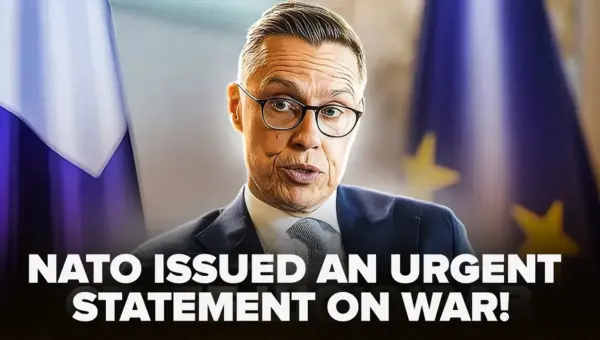
Ukrainian forces struck a key Russian oil refinery, disrupting Moscow's war capabilities. Meanwhile, Finland's president urged continued U.S. support for Ukraine, as Kyiv shares its air defense expertise globally amid growing geopolitical complexities involving Iran and potential sanctions against Hungary.