Hertling Challenges Hegseth on Values: Leadership and Decision-Making
Retired Army Lieutenant General Mark Hertling has challenged Secretary Hegseth on the importance of core values in leadership. Hertling stated that a leader's values are crucial for decision-making and that lacking them makes one a "windsock." He emphasized that understanding these values is key to being a "good leader for everyone."

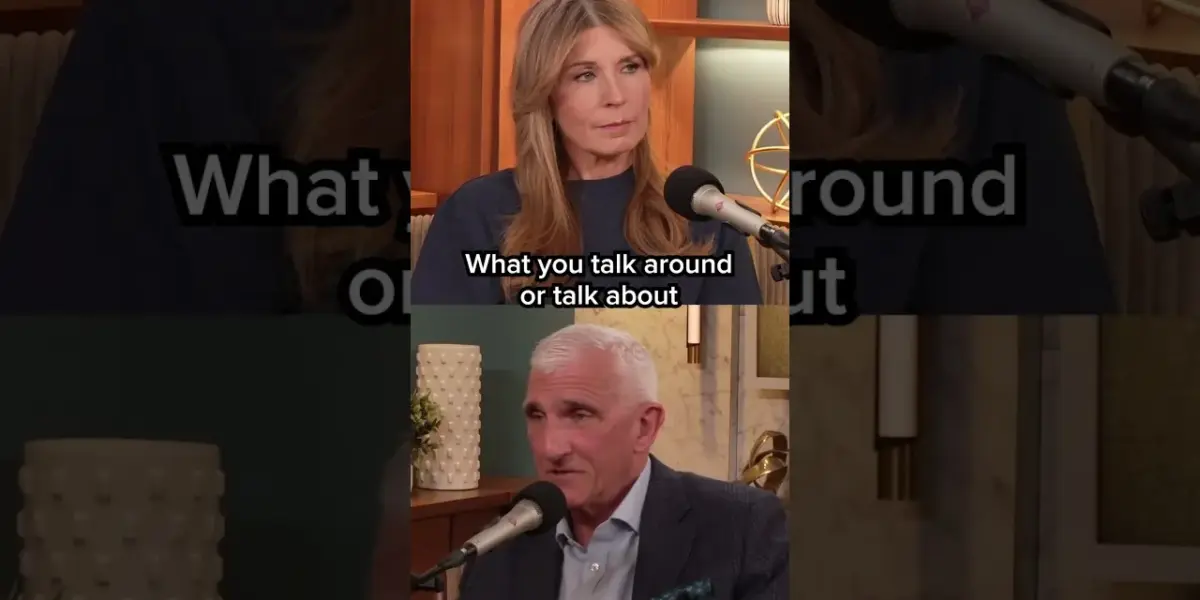
Hertling Questions Hegseth’s Core Values in Leadership Debate
Retired Army Lieutenant General Mark Hertling has publicly questioned the core values of Secretary Hegseth, asserting that a leader’s values are fundamental to their decision-making process and their ability to serve effectively. Speaking on a recent episode of “The Best People” with Nicolle Wallace, Hertling emphasized the critical role of personal values in shaping leadership, suggesting that a lack of clearly defined values can lead to indecisiveness and a lack of direction.
The Foundation of Leadership: Values in Action
Hertling articulated his perspective by stating, “What does he see as important and how, how do those things drive his decision-making? Because that’s what values do. Because if you don’t have any values, you’re gonna be a windsock.” This analogy highlights the potential for leaders without a strong ethical or moral compass to be easily swayed by external pressures or shifting circumstances, lacking a stable foundation upon which to base their actions.
The retired general’s remarks underscore a long-standing debate in leadership theory: the intrinsic link between a leader’s personal values and their effectiveness. Values, Hertling implies, are not merely abstract ideals but are the active drivers of behavior, influencing everything from strategic planning to day-to-day interactions. For a leader, understanding what they deem important and how these principles translate into tangible decisions is paramount to building trust and achieving consistent, principled outcomes.
Defining a “Good Leader for Everyone”
Hertling’s desire to understand Hegseth’s values stems from his conviction that it is key to being a “good leader for everyone.” This suggests a vision of leadership that is inclusive, equitable, and serves the broader public interest. Leaders whose values are transparent and consistently applied are more likely to foster an environment where diverse individuals feel respected and understood. Conversely, leaders whose values are unclear or perceived as inconsistent can create an atmosphere of uncertainty and alienation.
In the context of public service, where decisions often have far-reaching consequences, the importance of values is amplified. Whether in military command, government policy, or corporate management, the ethical framework of a leader shapes the culture of their organization and the impact of their decisions. Hertling’s challenge to Hegseth, therefore, is not just a personal inquiry but a broader call for accountability and transparency in leadership, particularly for those in positions of significant influence.
Broader Implications for Public Discourse
The exchange between Hertling and Hegseth, as presented in the context of “The Best People,” touches upon a vital aspect of contemporary public discourse. In an era often characterized by political polarization and rapid information flow, the public’s ability to discern the underlying values of their leaders is crucial for informed civic engagement. The question of “What are YOUR values?” becomes a fundamental inquiry for voters and constituents seeking to understand the motivations and potential actions of those in power.
Hertling’s emphasis on values as drivers of decision-making implies that understanding a leader’s ethical compass is as important as understanding their policy proposals or strategic plans. This perspective encourages a deeper level of scrutiny, moving beyond superficial assessments to examine the foundational principles that guide leadership. The “windsock” metaphor serves as a potent reminder of the dangers of leadership without conviction, suggesting that such leaders may be susceptible to manipulation or may fail to provide consistent direction, ultimately harming the organizations or populations they are meant to serve.
Looking Ahead: The Value of Values
As public figures continue to navigate complex challenges, the examination of their core values will remain a critical lens through which their leadership is assessed. Lieutenant General Hertling’s direct questioning of Secretary Hegseth highlights the ongoing need for leaders to articulate and demonstrate their values, ensuring they are not merely symbolic but are actively shaping their decision-making for the benefit of all. The public’s demand for transparency and principled leadership suggests that this conversation is far from over, and the clarity of a leader’s values will continue to be a key indicator of their suitability for public trust and responsibility.
Source: Lt. Gen. Hertling to Sec. Hegseth: What are YOUR values? (YouTube)

Related Articles

Governor Removed From Restaurant After Overstaying Welcome
Arkansas Governor Sarah Huckabee Sanders and her security detail were asked to leave a local restaurant after reportedly occupying a table for over an hour. The owners cited standard business practice for managing customer flow, while the governor's office described the action as discriminatory. The incident highlights the tensions between public figures and local businesses in a polarized environment.
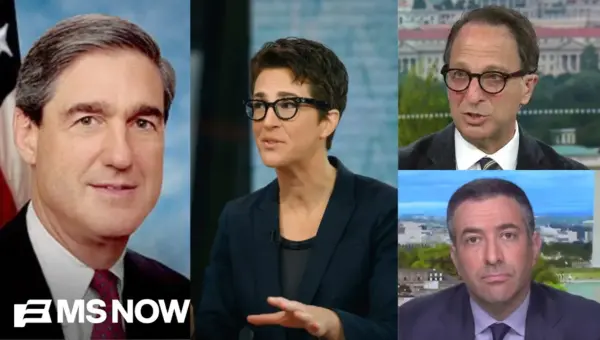
Bob Mueller Remembered for Integrity, Public Service Legacy
Robert Mueller, a former FBI Director and Special Counsel, is being honored for his decades of unwavering integrity and dedication to public service. His nonpartisan approach to investigations, particularly the Trump-Russia probe, is highlighted as a model for public officials. Colleagues remember his deep commitment to accountability and loyalty, marking him as a rare figure in American public life.

US Government Shutdown Sparks Worker Crisis
US government shutdowns are placing essential workers, like TSA officers, in severe financial hardship. Forced to work without pay, many struggle with basic expenses like transportation, highlighting a critical flaw in federal employee support during fiscal deadlocks.