GOP Faces ‘Hell of a Fight’ to Win Midterms
The Republican Party faces a challenging path to victory in the upcoming midterm elections, with a critical need to refine its messaging on key issues like DHS funding, voter ID laws, and foreign policy. Experts suggest a 'hell of a fight' lies ahead as the party aims to counter Democratic initiatives and connect with a broader electorate.

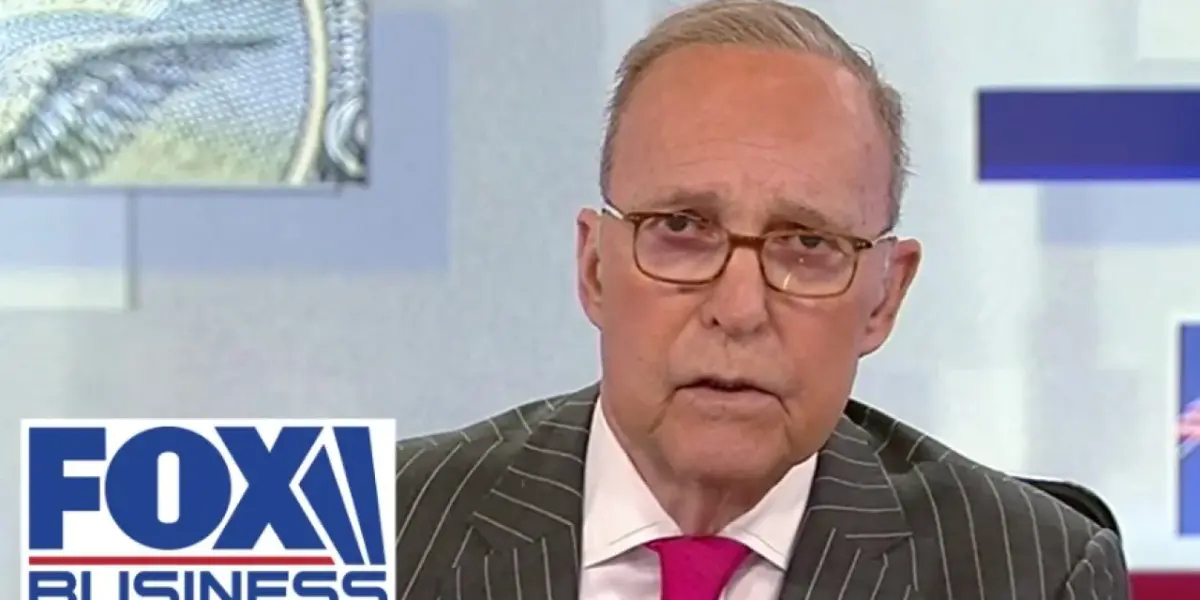
GOP Faces Uphill Battle in Midterms Amid Messaging Challenges
The Republican Party is gearing up for what is being described as a ‘hell of a fight’ in the upcoming midterm elections, with strategists emphasizing the critical need for improved messaging to connect with voters and secure victories. Despite a perceived 80-20 advantage in key policy areas, the party faces significant hurdles in effectively communicating its platform and galvanizing support.
TSA Lines and DHS Funding: A Messaging Opportunity Missed?
One prominent area highlighted is the ongoing debate over funding for the Department of Homeland Security (DHS). The transcript points to a scenario where Democratic senators are accused of blocking a DHS bill, leading to extended wait times at Transportation Security Administration (TSA) checkpoints. This, it is argued, directly impacts millions of parents and children traveling during spring break, potentially ruining their vacations.
The argument suggests that Republicans should be repeatedly posing questions such as, “How many more votes and vacations ruined?” to underscore the perceived consequences of Democratic actions. The implication is that this situation, affecting major airports and airlines, presents a clear messaging opportunity for the GOP to contrast its approach with that of the Democrats, questioning whether political maneuvering, like that of Senate Majority Leader Chuck Schumer, prioritizes convenience over national security or public service.
Voter ID Laws: A Stark Contrast in Messaging
Another key messaging point revolves around voter identification laws. A list compiled by Unleashed Prosperity details at least 65 activities requiring a photo ID, ranging from boarding an airplane and joining a gym to adopting a pet, buying tobacco, or applying for a job. The transcript draws a stark contrast by stating that the only activity not requiring a photo ID is voting.
“Does that strike you as odd? It sounds to me like Republicans should be messaging that on a daily basis,” the transcript asserts, suggesting that President Trump is already highlighting this issue.
This disparity is presented as a potent argument for the Republican stance on voter ID, implying that if identification is necessary for everyday activities, it should logically be required for the fundamental act of voting. The transcript suggests this message resonates strongly and should be a daily talking point for the party.
Iran Mission and Energy Prices: A Complex Narrative
The discussion also touches upon the delicate balance between foreign policy actions and their economic repercussions, specifically concerning the U.S. military mission in Iran and its impact on oil and gas prices. While a presidential spokesman suggested that energy prices would decline post-mission, the transcript proposes a more effective message for Republicans.
Instead of focusing solely on the timing of price drops, the argument is that the emphasis should be on the mission’s objectives: eliminating Iran’s nuclear threat, combating terrorism, and ending decades of hostility towards the United States. Polls are cited as showing significant public support for these objectives, even among independent and some Democratic voters. The transcript posits that a temporary increase in energy prices is a small price to pay for achieving these foreign policy goals and dismantling the current Iranian regime.
What Investors Should Know
The political discourse surrounding the midterms, particularly concerning messaging and policy debates, can have indirect but significant impacts on market sentiment and specific sectors.
- Energy Sector: Geopolitical developments, such as actions involving Iran, can directly influence oil and gas prices. While the transcript suggests a focus on the strategic benefits of the mission, the market will remain sensitive to supply and demand dynamics, geopolitical risks, and the actual impact on global energy flows. Investors in the energy sector should monitor these developments closely.
- Consumer Spending & Travel: Issues like TSA wait times, if perceived as a result of political inaction, could influence consumer sentiment regarding convenience and government efficiency. While not a direct market driver, prolonged disruptions could subtly affect travel-related industries.
- Regulatory Environment: Debates around voter ID laws, while primarily political, can sometimes signal broader trends in regulatory approaches that might extend to other sectors.
- Overall Market Sentiment: The intensity of political battles and the effectiveness of party messaging can contribute to overall market uncertainty or confidence. A highly contentious election cycle might lead to increased volatility as investors assess potential policy shifts following the midterms.
Long-Term Implications
The effectiveness of the Republican Party’s messaging in the midterms could shape the legislative agenda and policy landscape for the next two years. Key areas to watch include potential shifts in energy policy, national security priorities, and approaches to election integrity. The transcript implies that a strong performance by the GOP could lead to a more conservative policy environment, impacting sectors that are sensitive to government regulation and spending.
Ultimately, the article underscores that the political narrative and the ability of parties to connect with voters on critical issues will be paramount in determining the election outcomes and, consequently, influencing the broader economic and market environment.
Source: Kudlow: This is going to be a ‘HELL OF A FIGHT’ (YouTube)

Related Articles
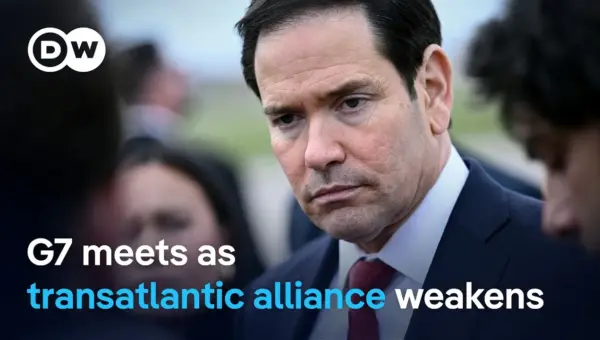
G7 Allies Clash Over Iran War Strategy, Urge Focus on Russia
G7 foreign ministers met in Paris, revealing deep divisions over the U.S. war with Iran. European allies urged the U.S. to pressure Russia, linking its actions to the conflict and fearing support for Ukraine will wane.

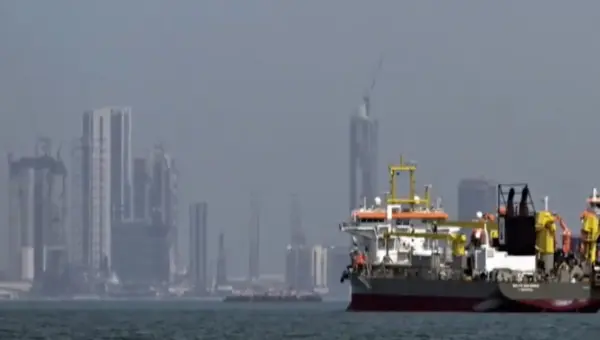
Iran Blocks China Ships, Exposing Beijing’s Weak Grip
Iran's recent decision to block Chinese ships at the Strait of Hormuz is exposing the limits of Beijing's influence in the Middle East. This action is causing delays and cancellations for Chinese manufacturers, turning a perceived geopolitical win into an economic strain.
Trump’s “Walk Away” Tactic Signals Tougher Stance on China
Retired Air Force Brigadier General David Stillwell believes President Trump's strategy of being willing to walk away from negotiations puts pressure on China. This tactic, combined with US global actions and strengthened alliances, signals a more assertive American foreign policy.