Iran War Boosts Russia’s Finances, Europe Holds Key
The ongoing crisis in the Strait of Hormuz has inadvertently boosted Russia's war financing by driving up global oil prices. Despite Europe's significant economic leverage, including control over maritime routes and substantial trade with India, it has not fully utilized its power to counter these gains.

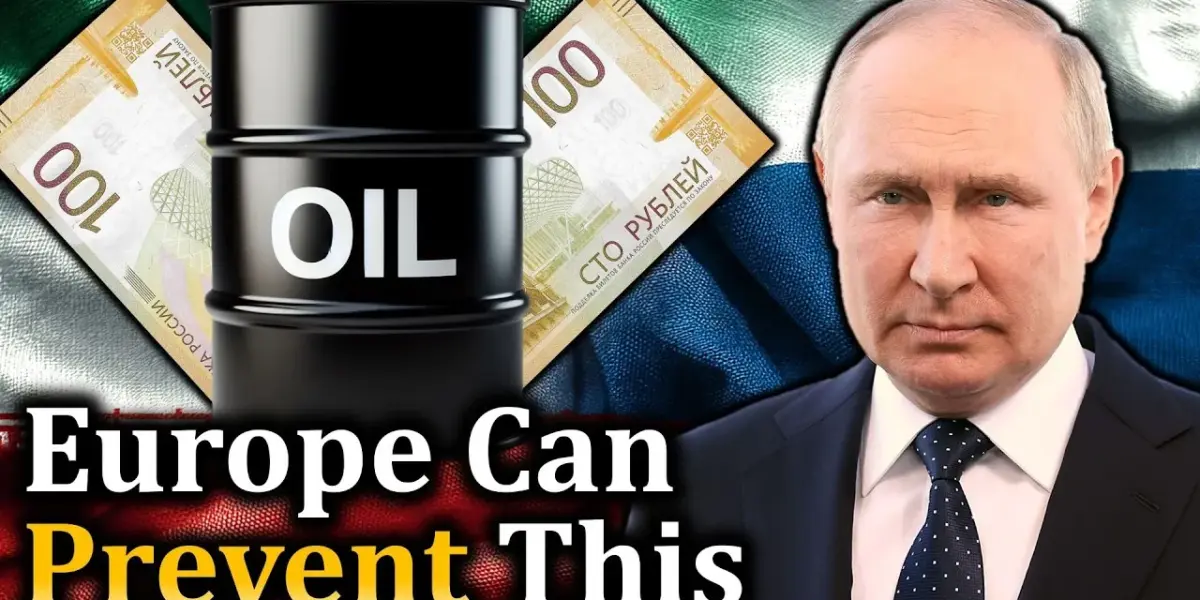
Iran War Fuels Russian Economy, Europe’s Sanctions Leverage Unused
The ongoing global conflicts, particularly the escalating tensions in the Middle East involving Iran and the continued war in Ukraine, have created an unexpected financial lifeline for the Russian Federation. While the immediate cause appears to be the disruption of oil supplies through the Strait of Hormuz, the underlying mechanisms reveal a complex interplay of global finance, international sanctions, and geopolitical strategy. Crucially, the transcript suggests that Europe possesses the leverage to significantly alter this dynamic, yet has largely refrained from fully utilizing it.
Strait of Hormuz Disruption and Global Oil Markets
The current crisis in the Persian Gulf, triggered by actions attributed to Iran following an alleged assassination of an Ayatollah and subsequent Iranian actions against shipping, has led to a de facto closure of the Strait of Hormuz. Although Iran claims the waterway remains open to all nations except Israel and the United States, reports indicate that Iranian actions are impeding transit. This disruption has removed approximately 20% of the world’s oil supply from the market, causing a significant surge in global oil prices. Oil, which recently traded around $65 per barrel, has seen a substantial increase, a development that directly benefits Russia.
Russia’s Financial Strain Eased by Price Surge
Prior to the recent oil price spike, the Russian federal budget was reportedly under strain, struggling to sustain the Kremlin’s war effort in Ukraine. The elevated oil prices, driven by the Hormuz crisis, have provided a crucial financial cushion. This influx of revenue is vital for Russia’s ability to fund its military operations, including recruitment and maintaining its offensive capabilities. The transcript notes that even a few weeks prior, Russia was losing territory in Ukraine, with its offensive efforts showing signs of strain. The increased oil revenue directly impacts Russia’s capacity to recruit soldiers, as competitive wages are dependent on the government’s financial stability.
Secondary Sanctions: A Tool Not Fully Employed
The article highlights the role of secondary sanctions as a potential tool to counter Russia’s financial gains. The United States, in August, had imposed secondary sanctions on India for importing discounted Russian oil. This policy aims to punish third parties that engage in transactions with a sanctioned entity. In this context, if India imports Russian oil, it would face Western embargoes on its own exports. The threat of a 50% tariff, as proposed by the Trump administration, was intended to deter India from purchasing Russian crude, thereby forcing Russia to absorb the full loss of value from its oil sales.
Moratorium on Sanctions and European Discontent
The Trump administration subsequently announced a 30-day moratorium on these secondary sanctions, citing the need to increase global oil supply and alleviate domestic energy prices. This move, while intended to provide a short-term solution to rising gas prices, has drawn significant criticism from European leaders. Figures like Merz, Starmer, Macron, and Costa have expressed concern, arguing that easing sanctions undermines efforts to pressure Moscow and achieve a lasting peace in Ukraine. They emphasize that the consequences of the Iran War do not justify lifting sanctions on Russia.
Europe’s Unexploited Leverage
The core argument presented is that Europe possesses substantial leverage to counter Russia’s financial benefits from the Iran War, but has not fully exercised it. While the EU and UK have some restrictions on products made from Russian oil, they have not implemented broad secondary sanctions comparable to what the U.S. attempted. The transcript points out that Europe’s combined annual exports to India ($89 billion) are comparable to those of the United States ($88 billion), suggesting that Europe could, on its own, exert significant pressure on India to cease importing Russian oil.
The Shadow Fleet and Maritime Control
Beyond secondary sanctions, Europe also controls crucial maritime routes. Russia relies heavily on a “shadow fleet” of tankers to transport its oil. The transcript suggests that Europe could significantly disrupt these operations by enforcing maritime law and sanctions more stringently. By interdicting these tankers, Europe could effectively prevent Russia from delivering its oil to willing buyers, regardless of global price fluctuations. While this approach carries the risk of Russian escalation, the transcript notes that Russia has shown limited response to previous European seizure attempts.
Strategic Implications
What This Means on the Ground
The immediate impact of the Iran War on the Ukraine conflict is financial. The surge in oil prices, facilitated by the disruption in the Strait of Hormuz, provides Russia with increased revenue, bolstering its ability to sustain its military operations. This financial support is critical for Russia’s recruitment efforts and its capacity to maintain offensive actions. Conversely, Ukraine’s tactical gains, such as those observed in Zaporizhzhia and Donetsk, may be temporary if Russia’s financial resilience allows it to reinforce and sustain its efforts. The reliance of Russian forces on systems like Starlink and Telegram, and the Kremlin’s attempts to control these, also highlight potential vulnerabilities that Ukraine could exploit, but these are secondary to the overarching financial support Russia receives from higher oil prices.
Geopolitical Ramifications
The situation underscores a divergence in approach between the United States and Europe regarding sanctions and economic pressure on Russia. While the U.S. has shown a willingness to implement stringent measures, including secondary sanctions, Europe has been more hesitant. This hesitancy, particularly in leveraging its control over maritime trade and its economic ties with countries like India, allows Russia to profit from global instability. The transcript implies that a more unified and robust European stance on sanctions, particularly concerning oil exports, could fundamentally alter Russia’s financial calculus and its capacity to wage war in Ukraine. The current dynamic suggests that Russia is benefiting from a world war scenario, but this benefit is not immutable and hinges significantly on European policy choices.
Historical Parallels
The concept of using economic sanctions as a tool of foreign policy is not new. However, the application of secondary sanctions, as attempted by the U.S. against India, represents a more aggressive and potentially far-reaching strategy. Historically, sanctions have been used to cripple economies and force political change, but their effectiveness often depends on broad international cooperation. The current situation echoes past instances where economic leverage, such as oil embargoes, played a significant role in international relations, but the complexity of global supply chains and the existence of alternative markets (like India for Russian oil) present modern challenges.
Source: Russia Is Benefiting from the Iran War. But It Doesn’t Have to Be That Way. (YouTube)

Related Articles
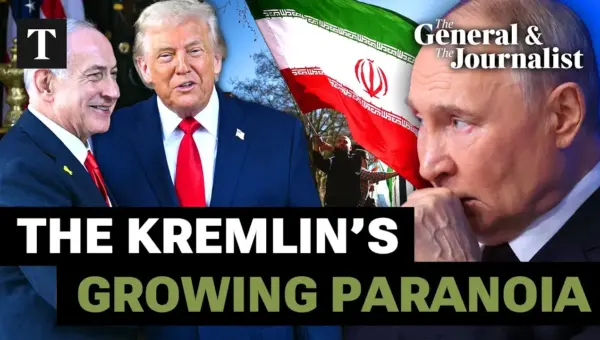
Kremlin Shakes: Elite Discontent Fuels Putin’s Paranoia
Internal turmoil and paranoia are reportedly gripping the Kremlin as President Putin faces growing elite discontent and the realities of the Ukraine war. Meanwhile, Russia's strategic involvement in the Iran conflict highlights complex calculations and potential risks, even as a wider global war remains unlikely.
Ukraine Strikes Russian Oil Refinery, Eyes Iran Threat
Ukrainian forces struck a key Russian oil refinery, disrupting Moscow's war capabilities. Meanwhile, Finland's president urged continued U.S. support for Ukraine, as Kyiv shares its air defense expertise globally amid growing geopolitical complexities involving Iran and potential sanctions against Hungary.
Iran Missile Strikes Injure US Troops, Raise War Concerns
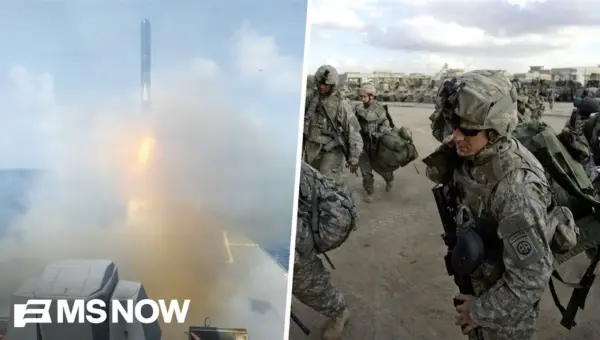
Iranian missile strikes have injured U.S. service members, escalating tensions as the conflict nears one month. The attacks are raising concerns about the effectiveness of U.S. military strategy and the depletion of crucial missile stockpiles. Global oil prices have surged, impacting economies worldwide.