Europe Weighs Trump’s Hormuz Demand Amid NATO Tensions
European Union foreign ministers are grappling with U.S. President Donald Trump's demand for military action to secure the Strait of Hormuz. While acknowledging the need for open shipping lanes, EU nations are prioritizing diplomatic solutions and ruling out immediate military participation, potentially leading to transatlantic friction.

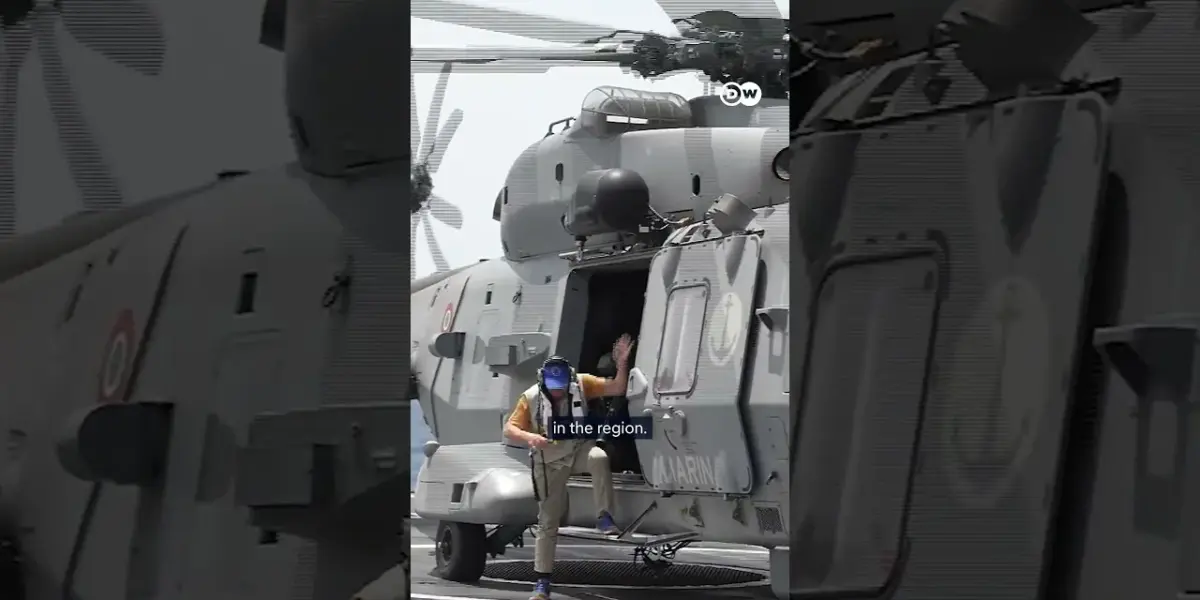
EU Ministers Debate Hormuz Security Following Trump’s Ultimatum
European Union foreign ministers convened in Brussels to address a pressing demand from U.S. President Donald Trump: a military commitment from NATO allies to secure the Strait of Hormuz. Trump’s stark warning that the alliance faces a “very bad future” if it fails to act has cast a shadow over transatlantic relations, prompting urgent discussions among European leaders on how to respond to both the security challenge and the U.S. president’s assertive stance.
Diplomatic Solutions Favored Over Military Intervention
While acknowledging the critical importance of keeping the Strait of Hormuz open for international shipping, European nations have largely signaled a preference for diplomatic and non-military solutions. A key sentiment expressed was that “it is in our interest to keep the straight of Hermoose open and that’s why we are also discussing what we can do uh in this regard uh from the European side.” However, several EU countries have explicitly ruled out deploying their military forces to the region for the immediate future. One official stated, “We are ready to ensure safe passage through the straits of Hormus diplomatically. However, there will be no military participation.”
France Proposes International Escort Mission, With Caveats
France, a significant player within the EU, is actively working on the framework for an international mission aimed at escorting commercial vessels through the strategic waterway. President Emmanuel Macron, however, emphasized that such an initiative would only be feasible and deployed “when the fighting has diminished.” This condition highlights a broader European reluctance to engage in direct military confrontation in the Persian Gulf, preferring to de-escalate tensions before committing forces.
Exploring Existing EU Capabilities and Potential Expansion
Beyond new initiatives, European leaders are examining the potential to expand the scope of existing EU maritime security operations. The EU already maintains a mission focused on monitoring the maritime situation in the region. Ministers are considering whether to broaden the capacity of this mission to specifically include the protection of ships transiting the Strait of Hormuz. This approach leverages existing infrastructure and expertise, offering a less escalatory path compared to a new, potentially provocative military deployment.
NATO’s Stance and Transatlantic Disagreements
NATO itself has remained largely silent on President Trump’s direct ultimatum. The German government has been clear in its position, stating that the situation in the Strait of Hormuz is “not NATO’s war.” Similarly, the United Kingdom, a traditional and close ally of the United States within Europe, has indicated that any potential action in the strait would not be led by NATO. A UK spokesperson clarified, “We are working with others to come up with a credible plan um for the Straits of Hormuz. um to ensure that we can um reopen um shipping and passage through the straight. Um let me be clear that won’t be and it’s never been envisioned to be a NATO mission.” This divergence in views underscores the complex geopolitical landscape and the varying priorities of NATO members.
Analyst Perspectives: Tactics and Future of NATO
Analysts suggest that President Trump’s demands might be part of a broader negotiating strategy. “He’s doing everything he can to try to exercise leverage against um the countries that he’d like to bring in to the conflict,” observed one expert. The possibility of the U.S. withdrawing from NATO, a scenario Trump has alluded to, is viewed by many as an existential threat to the alliance. “It’s unlikely that the United States would leave NATO. That would be the end essentially of NATO,” commented another analyst, highlighting the foundational role the U.S. plays within the security pact.
Measured European Response Amidst Geopolitical Uncertainty
Thus far, the European response to Trump’s pressure has been characterized by caution and measured diplomacy. European nations are navigating a delicate balance: seeking to maintain a strong relationship with a key ally while simultaneously avoiding entanglement in a conflict they do not perceive as their own immediate concern. The coming weeks will likely see continued diplomatic maneuvering as Europe seeks to chart a course that upholds international maritime security without compromising its strategic autonomy or escalating regional tensions.
Source: Europe reacts to Donald Trump's pressure to secure Hormuz | DW News (YouTube)

Related Articles


US Cardinal’s Papal Upset Redraws Vatican Influence
Pope Francis's election defied expectations, including his own, as an American cardinal believed an "American" Pope was unthinkable. The swift conclave surprised many, highlighting the unpredictable nature of papal selections and signaling a potential shift in the Church's global direction.
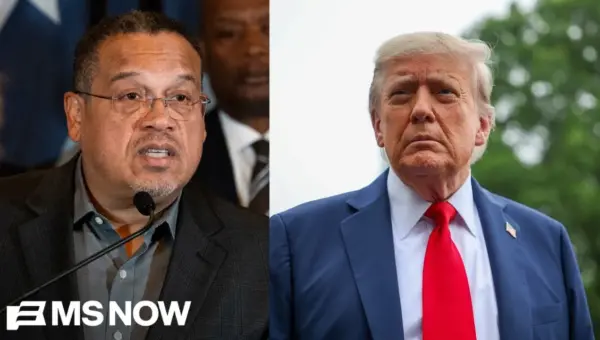
MN AG Blasts Trump’s ‘Wicked’ Insults Amid ‘No Kings’ Protests
Thousands protested President Trump's policies nationwide, with Minnesota AG Keith Ellison condemning his "wicked" and "corrupt" nature. Ellison also discussed a state lawsuit against the federal government over withheld evidence in officer-involved shootings.

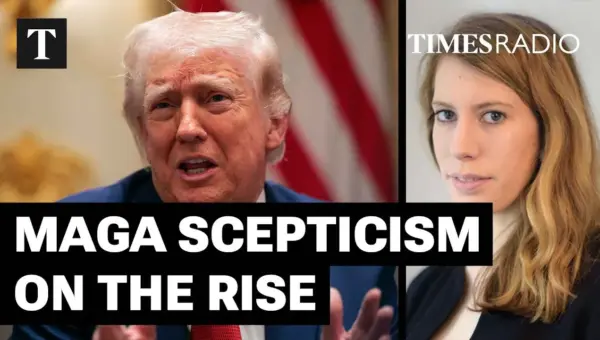
Trump’s War Strategy Faces Skepticism Amidst Shifting Goals
President Trump's strategy in the ongoing Middle East conflict is facing increasing skepticism, even from his own base. While military actions have seen success, strategic goals are unclear and diverging from allies like Israel. The prolonged war and shifting public perception are creating a sense of uncertainty and doubt.