Global Alliances Shift: Nations Unite, Excluding Trump’s Influence
World leaders are reportedly forging new transnational alliances and excluding Donald Trump from critical discussions. A recent Canadian-Nordic summit highlighted a push for democratic cooperation and regional security independent of U.S. leadership. This marks a significant geopolitical shift, with nations seeking greater strategic autonomy.

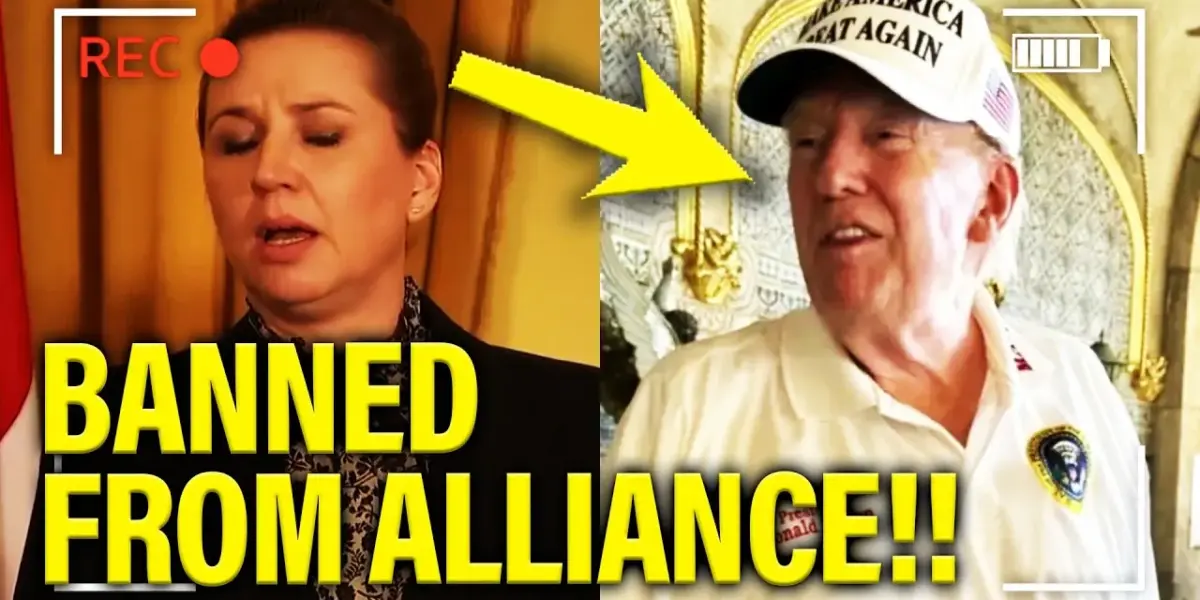
Global Alliances Shift: Nations Unite, Excluding Trump’s Influence
A significant geopolitical realignment appears to be underway, with several world leaders reportedly consolidating alliances and actively excluding Donald Trump and, by extension, the United States from key discussions and emerging transnational partnerships. Recent events, particularly a Canadian-Nordic summit in Oslo, Norway, highlight this developing trend, where leaders from Canada, Norway, Denmark, Finland, Iceland, and Sweden convened, ostensibly to forge new avenues of cooperation independent of traditional U.S. leadership, especially under a potential Trump administration.
Nordic Nations Rally Around Canadian Leadership
The summit featured prominent praise for Canadian Prime Minister Justin Trudeau, with leaders complimenting his stance against what they termed Donald Trump’s “despicable regime.” Danish Prime Minister Mette Frederiksen lauded Trudeau’s speech at Davos, noting its significant resonance among leaders and the public in the Nordic countries. She emphasized the need for democracies to work closer together in a world where the “old world order is gone and it will probably not come back,” advocating for the construction of a new order built on shared democratic values.
Frederiksen specifically referenced the pressure Denmark and Greenland experienced from the U.S. president, stating, “We have had a totally unacceptable pressure from us and the U.S. president. It has been very difficult for the people in Greenland to experience this.” She credited international partners, including Canada, for enabling Denmark to stand firm on principles of respecting sovereign states and self-determination.
The leaders at the summit committed to deepening cooperation, particularly in the Arctic region, and militarily within their own geographical areas. This renewed focus on regional security and economic collaboration comes amidst global instability, including the war in Ukraine, and concerns over U.S. foreign policy shifts.
Concerns Over Escalating Global Conflicts
Norwegian Prime Minister Jonas Gahr Støre also voiced concerns about escalating global conflicts, particularly referencing a perceived “unlawful war against Iran” initiated by the U.S. He stressed that such conflicts are not initiated by Nordic nations but that they are all affected, underscoring the imperative for international law to be respected and for parties to find ways to end hostilities. The potential impact on the world economy, particularly the energy situation in the Gulf, was a significant point of discussion.
Støre further criticized any perceived threats against Greenland as unacceptable attacks on NATO and Denmark’s territorial integrity, aligning with the principles of international law and national sovereignty. The summit aimed to build new security and economic frameworks, moving beyond traditional geopolitical alignments.
Shifting Alliances and Strategic Autonomy
Canadian Prime Minister Trudeau articulated the vision for a group of countries sharing common purpose, values, and the capacity to work together, not only within existing frameworks like NATO but also in more informal groupings. He highlighted growing challenges to Arctic security, the evolving nature of warfare, and the interplay of technology and conflict. Security, he noted, is expanding beyond traditional domains to encompass core strategic capacities in areas like critical minerals, artificial intelligence, space, and digital infrastructure.
The leaders discussed how their countries could increase their strategic economies and resilience while aligning with values of sustainability. This emphasis on strategic autonomy and multilateral cooperation among like-minded nations suggests a move towards diversifying security partnerships and reducing reliance on a single dominant power.
Icelandic Prime Minister Katrín Jakobsdóttir echoed the sentiment of gratitude for Canada’s leadership and acknowledged a “void that has to be filled when it comes to global leadership.” She viewed the current difficult times as opportunities for shifts in alliances, broadening their scope rather than closing off to others. The focus on Arctic security and economic integration was highlighted as increasingly relevant.
Broader International Repercussions
The sentiment of seeking alternative partnerships extends beyond the Nordic region. Reports suggest that analysts in Kuwait are expressing disillusionment with U.S. security guarantees under Trump, citing perceived “pay-for-play scams” and the engulfment of the Middle East in wars with no tangible protection in return. Concerns were raised about the impact on key cities and the alleged exploitation of relationships for personal gain.
Furthermore, several nations, including Japan, Germany, and Australia, have reportedly signaled reluctance to participate in U.S.-led initiatives in the Strait of Hormuz, framing these as U.S. conflicts rather than collective security concerns. France, meanwhile, is reportedly considering strengthening its nuclear arsenal, potentially to bolster its role within alliances that may increasingly operate with reduced U.S. engagement.
The Iranian Foreign Minister, Hossein Amirabdollahian, has publicly denied claims of seeking a ceasefire or talks with the U.S., stating that Iran’s armed forces will continue their actions until Trump realizes the “illegal war” is wrong and that victims must be compensated. He also reiterated that Russia and China are strategic partners with whom Iran maintains close political, economic, and military cooperation.
Historical Context and Future Outlook
This apparent shift can be seen as a reaction to a perceived unpredictability in U.S. foreign policy, particularly under the Trump administration, which challenged long-standing alliances and international norms. Historically, periods of U.S. isolationism or unilateralism have often spurred greater regional cooperation among other nations seeking to maintain stability and advance their interests. The current developments echo patterns seen in previous eras where global power dynamics have shifted, leading to the formation of new blocs and spheres of influence.
The emphasis on shared values, democratic principles, and multilateralism by the leaders at the Canadian-Nordic summit suggests a desire to build a more resilient and predictable international order. The focus on the Arctic, critical minerals, and advanced technologies indicates a forward-looking strategy aimed at securing economic and strategic advantages in a rapidly changing world.
The trend of nations seeking to diversify their partnerships and assert greater strategic autonomy may continue, potentially leading to a more multipolar world. Whether this leads to a fragmentation of global governance or the creation of new, robust multilateral frameworks remains to be seen. However, the active exclusion of a major power like the U.S., or at least its current leadership, from these emerging alliances signals a significant recalibration of global power dynamics.
Why This Matters
The implications of these shifting alliances are profound. For the United States, it could mean a diminished role on the global stage and a weakening of its traditional influence if it cannot adapt to the evolving geopolitical landscape. For the nations forging new partnerships, it represents an opportunity to shape a more equitable and stable international order, driven by shared values and mutual interests. The focus on cooperation in critical areas like Arctic security and advanced technology could set new standards for global collaboration. The potential for increased regional autonomy also raises questions about the future of existing global institutions and the balance of power in key strategic regions. This period of recalibration underscores the dynamic nature of international relations and the persistent human endeavor to build security and prosperity through cooperation, even in the face of perceived external challenges.
Source: FURIOUS World Leaders FREEZE OUT Trump from MILITARY ALLIANCE!!! (YouTube)

Related Articles
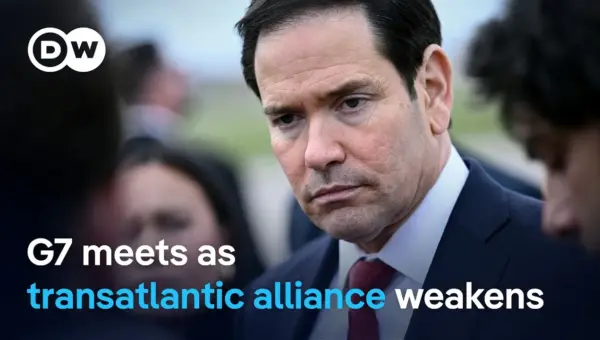
G7 Allies Clash Over Iran War Strategy, Urge Focus on Russia
G7 foreign ministers met in Paris, revealing deep divisions over the U.S. war with Iran. European allies urged the U.S. to pressure Russia, linking its actions to the conflict and fearing support for Ukraine will wane.

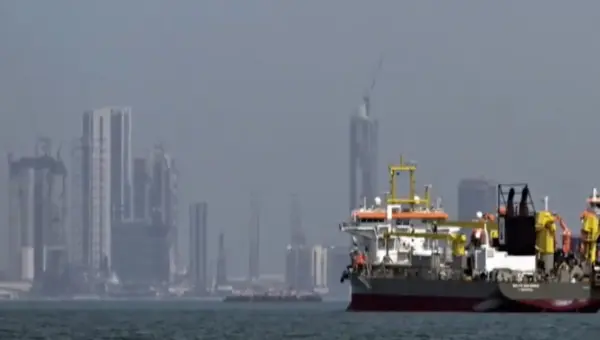
Iran Blocks China Ships, Exposing Beijing’s Weak Grip
Iran's recent decision to block Chinese ships at the Strait of Hormuz is exposing the limits of Beijing's influence in the Middle East. This action is causing delays and cancellations for Chinese manufacturers, turning a perceived geopolitical win into an economic strain.
Trump’s “Walk Away” Tactic Signals Tougher Stance on China
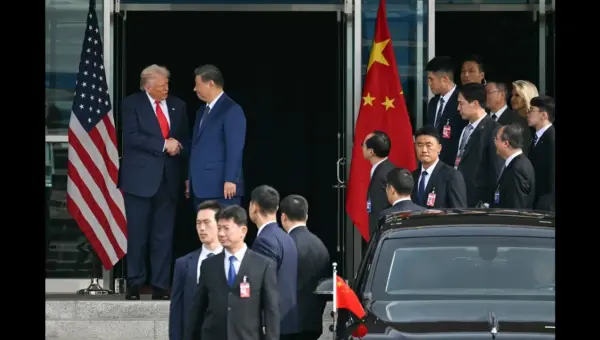
Retired Air Force Brigadier General David Stillwell believes President Trump's strategy of being willing to walk away from negotiations puts pressure on China. This tactic, combined with US global actions and strengthened alliances, signals a more assertive American foreign policy.