Lebanon Reels: Airstrikes Trigger Mass Displacement and Humanitarian Crisis
Lebanon is facing a severe humanitarian crisis as relentless Israeli airstrikes trigger mass displacement. Thousands are seeking refuge on Beirut's Corniche and in overcrowded schools, with aid workers warning that 'nowhere is safe anymore.' The conflict's escalation, including ground operations, is exacerbating an already dire situation for civilians.

Beirut Under Siege as Israeli Airstrikes Intensify
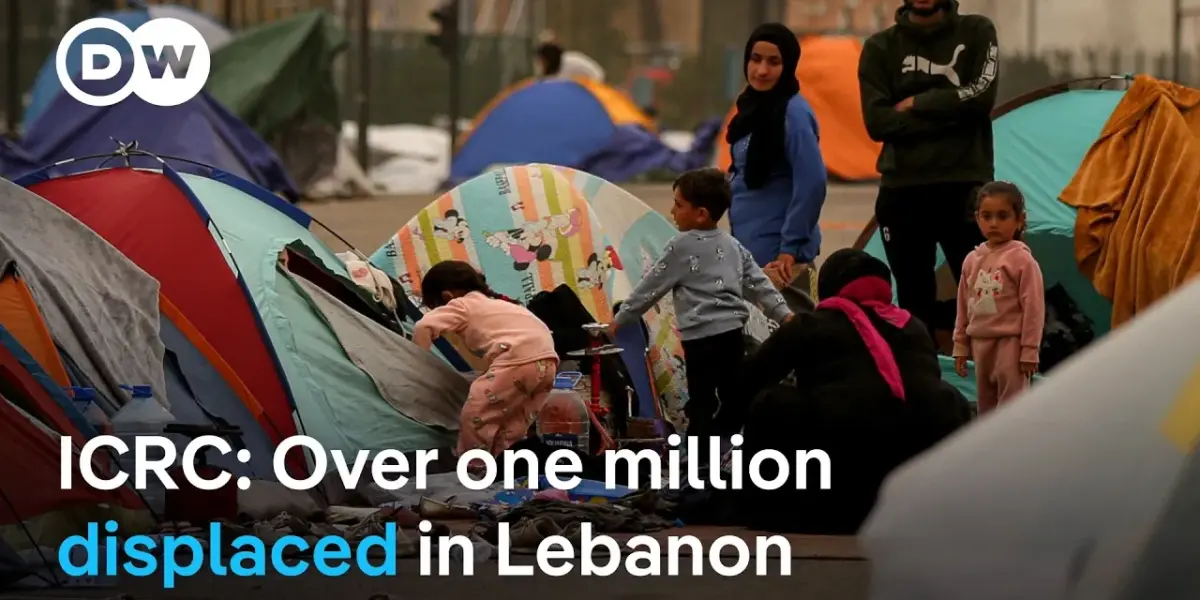
Beirut, Lebanon – What was once a bustling seaside promenade, the Corniche, has transformed into a makeshift refuge for thousands of Lebanese families displaced by the escalating conflict between Israel and Hezbollah. As night falls, the iconic stretch becomes a temporary home for those fleeing their towns and villages under the shadow of relentless Israeli airstrikes. The situation paints a grim picture of a nation teetering on the brink of a severe humanitarian crisis, with residents expressing a pervasive sense of insecurity.
Families Displaced, Lives Disrupted
Ali Elzin and his family are among the hundreds of thousands forced to abandon their homes. Having fled Barashit in the country’s battered south, they now sleep on the Corniche, a stark reminder of a life uprooted. This is the second time in less than two years that Ali has been displaced, having previously sought shelter in a Beirut school during the 2024 Israel-Hezbollah war. For many, the uncertainty of how long they will be forced to remain in these temporary shelters is a greater concern than the immediate hardship of cold nights.
The Lebanese government has opened schools and established other temporary shelters, but these facilities are woefully inadequate to accommodate the more than 800,000 people displaced by the current surge in hostilities. A school in central Beirut, now sheltering over 200 people, including Jihad Zaharin and his family, exemplifies the overwhelmed state of these resources. The cramped conditions highlight the immense strain on both infrastructure and humanitarian aid.
‘Nowhere is Safe Anymore’: Targeted Attacks and Growing Fear
The fear of indiscriminate attacks is palpable. A recent Israeli strike hit an apartment building in a densely populated neighborhood in the heart of Beirut, striking an apartment without prior warning. This pattern, suggestive of targeted assassinations, has fueled growing frustration and a widespread feeling that no part of Lebanon is safe.
“This is not a controlled neighborhood, but signs that any neighborhood could become a target are growing. It’s a very peaceful area and safe area, but I think nowhere in Lebanon, any area is safe because you don’t know who’s living in this building… you never know if one of their friends maybe is one of the individuals which is Israel targeting. So yeah, no, but I think no one is safe right now. So we hope and pray.”
This sentiment is echoed by residents who feel vulnerable, unsure if their neighbors or visitors might inadvertently draw the attention of Israeli forces.
Community Mobilizes: Aid Efforts and ‘Happy Boxes’
Amidst the escalating crisis, community-led relief efforts are a beacon of hope. The Suk Balad NGO, spearheaded by eight women and dozens of volunteers, has been providing crucial support since the war began. They distribute food boxes, each containing approximately 16 essential items for a family of four, including grains, fava beans, and rice.
Recognizing the psychological toll on children, Suk Balad has collaborated with a local clinic to introduce ‘Happy Boxes’. These boxes, filled with around 20 items such as toys, skipping ropes, candies, and coloring supplies, aim to bring a semblance of normalcy and joy to displaced children. The organization relies on individual donations and personal initiatives to gather funds and supplies, demonstrating the resilience and compassion of the Lebanese people.
Ramadan Amidst Conflict: Providing Essential Meals
The ongoing conflict coincides with Ramadan, adding another layer of hardship for displaced families. Local kitchens are working around the clock to prepare thousands of Iftar meals. Volunteers are delivering traditional Lebanese dishes, like fish and rice, to those fasting and unable to prepare meals for themselves.
Escalation and Humanitarian Warning
The situation has dramatically worsened with reports of Israel launching ground operations into Lebanon, following days of intense aerial bombardment. Dr. Shaki Amin Adin, a medical doctor and humanitarian affairs coordinator with the International Committee of the Red Cross (ICRC) in Lebanon, described the dire humanitarian conditions.
“Just today, the disaster risk management unit in Lebanon announced that over a million people are displaced from their houses. Those are coming from the south of Lebanon, from the southern suburbs of Beirut, and even from Bekaa. On top of this, today we have over 1,886 fatalities and over 2,100 people injured. These numbers do not even capture the humanitarian situation in which the affected population is living.”
Dr. Amin Adin detailed the harrowing experience of displaced people facing severe weather conditions with minimal shelter, with only a fraction of the displaced population accommodated in formal shelters. The rest are left to find refuge with friends, family, or even in cars and parking lots.
ICRC on the Ground: Challenges and Priorities
The ICRC remains operational across Lebanon, with teams deployed to assist hospitals receiving casualties and to support the healthcare system. Their priority is to maintain proximity to the affected population and engage in confidential dialogue with conflict parties to promote respect for international humanitarian law.
“Our concern with a ground operation is the same as our concern with any intensification of hostilities. It’s the civilian population and the civilian infrastructure. The people who are mostly affected in any conflict are the civilian population. The people need hospitals. They need schools. They need critical infrastructure. They need to feel that they can return to their homes when things are safe for them to do that… Unfortunately, again, any ground operation would definitely result in further worse humanitarian situation, more displacement and will eventually increase the humanitarian needs.”
Aid workers are reportedly risking their lives daily to provide critical support. The scale and scope of humanitarian needs are immense, exceeding the capacity of any single agency. The collaboration with partners, including the Lebanese Red Cross, is vital in providing emergency medical services, transportation, blood transfusions, and relief activities.
The Path Forward: An Escalating Conflict
The recent Israeli strike on the Corniche, which resulted in the deaths of eight displaced people and injuries to 31, underscores the escalating nature of the conflict. As Hezbollah launches rockets toward Israel and Israel continues its bombardment of Beirut and its suburbs, all signs point towards a widening and deepening crisis. The international community watches with growing concern as Lebanon grapples with a devastating humanitarian emergency, with the immediate future promising further hardship and uncertainty for its beleaguered population.
Source: 'Nowhere in Lebanon is safe': Beirut reels under relentless Israeli airstrikes | DW News (YouTube)

Related Articles

Israelis Forge Resilience Amidst Constant Bomb Shelter Drills
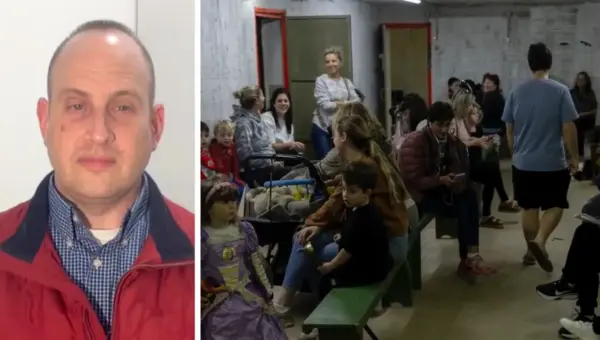
Life in Israel is a blend of resilience and constant vigilance, with many families adapting to frequent bomb shelter drills and even sleeping in makeshift shelters. Despite ongoing missile attacks, Israelis strive to maintain normalcy, though businesses face disruption and emotional fatigue is a growing concern.


Israel Escalates Iran Strikes, Warns of Wider War
Israel has launched significant strikes inside Iran following continued missile fire, warning of further escalation. The conflict risks wider regional instability and economic disruption, especially concerning the Strait of Hormuz.
Lebanon Crisis Deepens: 1.2 Million Displaced Amidst Conflict
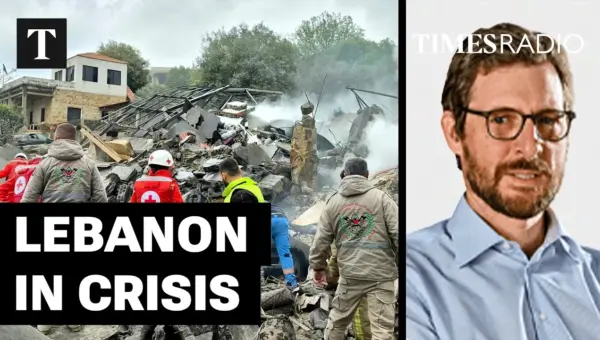
Lebanon is facing a severe humanitarian, political, and sectarian crisis, with 1.2 million citizens displaced due to escalating conflict. Israel's advance into southern Lebanon aims to create a buffer zone, leading to widespread destruction and displacement. Rising sectarian tensions echo the country's past civil war, while mixed signals cloud US-Iran diplomacy.