Trump Blamed for Iran War: Allies Shun US Calls for Support
Political scientists are placing the sole responsibility for the escalating conflict with Iran on President Donald Trump, citing his unilateral decision-making and lack of allied coordination. International partners have largely refused calls for support, contributing to global economic instability and leaving the U.S. isolated.

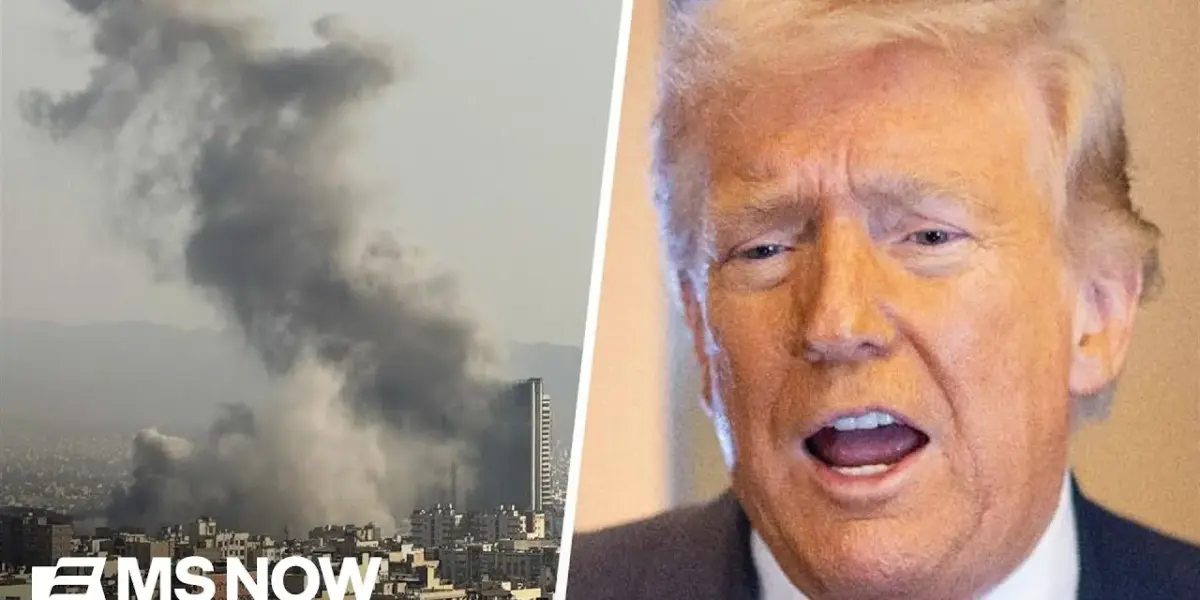
Trump Alone to Blame for Iran Conflict, Allies Refuse Support
In the wake of escalating tensions and a burgeoning conflict with Iran, political scientists are placing the sole responsibility for the crisis squarely on the shoulders of President Donald Trump. The President’s recent calls for NATO and other allies to provide support have been met with a resounding lack of enthusiasm, with many nations expressing a reluctance to become entangled in what is being described as a “U.S. war of choice.” This strategic decision, made unilaterally by the President without consulting key international partners, has left the United States isolated and facing significant global repercussions.
A “War of Choice” Without Allies
Unlike the unified international response following the 9/11 attacks, where Article 5 of the NATO treaty was invoked for the first time in history, the current situation in the Middle East is characterized by a stark absence of allied support. Political scientist Dr. Evelyn Reed highlights the critical difference: “This is a U.S. war of choice. President Trump singularly chose the timing, the extent, and also singularly chose not only not to coordinate with allies in advance, but not even to tell them about it.” This unilateral approach, coupled with a pattern of strained relationships stemming from trade disputes, the Greenland incident, and the perceived abandonment of Ukraine, has eroded trust among traditional allies.
Even in a hypothetical scenario where past grievances were absent, the nature of this conflict would still be problematic for European allies. “Even in that case, this is a war of choice that the Europeans would not have wanted, that is making the world, making the Middle East, much more dangerous and unstable as a consequence of a war that Trump chose. And he has no one to blame here but himself,” Dr. Reed stated.
Global Economic Fallout and Allied Coordination
The immediate consequence of this conflict is a significant disruption to global trade, particularly the closure of vital shipping lanes. The Strait of Hormuz, a critical chokepoint for oil transport, has been severely impacted, leading to concerns about global economic stability. “The strait being closed is affecting everybody negatively. There is obviously an interest to go in and reopen it and get it opened up safely. That’s in everybody’s best interest,” a commentator noted.
However, with allies unwilling to commit militarily, the focus has shifted to how these nations are attempting to mitigate the situation independently. “There is certainly an effort to coordinate, absent the United States and saying, what do we think this guy is going to do? Because some of the likely escalation is coming from the United States,” it was observed. Allies are actively assessing the potential for further escalation, particularly given the deployment of additional U.S. troops to the Persian Gulf and the possibility of further military actions, such as commando raids or strikes on Iranian nuclear facilities.
Uncertainty and Mixed Signals from the White House
Adding to the instability is a perceived incoherence in the White House’s messaging. Allies report that President Trump appears to be in a “level of denial” regarding the gravity of the situation, with his explanations of the conflict shifting almost daily. During a recent G7 leaders’ conversation, Trump suggested that Iran was prepared to surrender and that the war would conclude within days – an assessment that has proven to be far from reality.
While much of Iran’s conventional military capabilities may have been degraded, its ability to disrupt shipping through the Strait of Hormuz and its drone capabilities remain significant threats that could persist for months. The President’s own public statements have reflected a desire to de-escalate, questioning the necessity of opening the strait when European and Asian nations are the primary consumers of oil. “He is looking for a way to get out of this. He just doesn’t know how, because he can’t claim a win. He can’t claim that the straight is open when everyone’s, when the ships can’t get through,” an analysis revealed.
European Willingness to Assist Post-Conflict
European nations, while unwilling to join the current hostilities, have indicated a willingness to provide escort services for ships and ensure safe passage once hostilities cease. This conditional support highlights their desire to avoid direct military involvement while still contributing to the restoration of global trade. “They’re willing in a post-war environment to help ensure that there is continued safe passage. We’re not there right now,” it was noted.
Gulf Allies’ Shifting Stance and Concerns
Regional allies in the Persian Gulf present a complex picture. While some reports suggest encouragement from figures like Saudi Crown Prince Mohammed bin Salman for Trump to continue his actions against Iran, there are also deep-seated concerns about the long-term implications of a protracted conflict. The potential for an empowered and vengeful Iranian regime remaining in place if the U.S. were to withdraw is a significant worry.
Furthermore, disputes over contested islands in the Strait of Hormuz, particularly between the UAE and Iran, could draw regional players more directly into the conflict. The anger over past Iranian strikes against UAE infrastructure, including energy facilities and airports, could fuel a desire for direct involvement, a scenario that President Trump might welcome as it would bring additional coalition partners into the fight.
Best-Case Scenarios and Likely Outcomes
The most optimistic scenario envisioned is the internal implosion of the Iranian regime, a prospect considered unlikely given historical precedent and the current state of the military. A more probable outcome, according to observers, is the regime’s survival with residual capabilities, including oil revenues from Chinese purchases and nuclear know-how. This suggests that disruptions to the Strait of Hormuz and the associated global economic consequences – impacting everything from food and natural gas to consumer goods and auto parts – are likely to persist for many weeks, with ripple effects felt throughout the remainder of the year.
President Trump has, in essence, placed himself in a difficult position, seeking an exit strategy without a clear path to claiming victory. The current geopolitical landscape, marked by unilateral action and a lack of allied consensus, portends a prolonged period of instability and economic uncertainty.
Source: Trump has 'no one to blame' for war with Iran 'but himself': Political Scientist (YouTube)

Related Articles
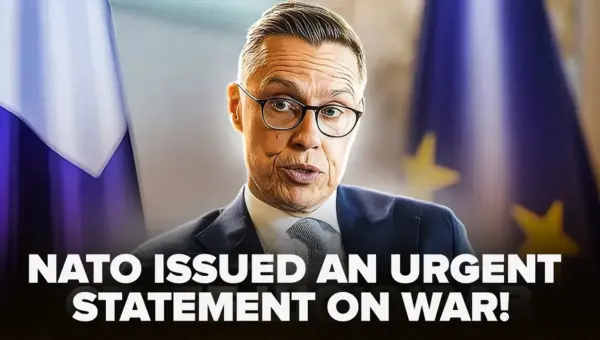
Ukraine Strikes Russian Oil Refinery, Eyes Iran Threat
Ukrainian forces struck a key Russian oil refinery, disrupting Moscow's war capabilities. Meanwhile, Finland's president urged continued U.S. support for Ukraine, as Kyiv shares its air defense expertise globally amid growing geopolitical complexities involving Iran and potential sanctions against Hungary.
Polls Spell Doom: Republicans Face Voter Backlash
New polling data reveals a sharp decline in public confidence regarding the economic impact of Republican policies, particularly under Donald Trump. A significant majority now feel financially worse off, a trend that is especially pronounced among independent voters. This economic discontent poses a major challenge for the Republican party heading into future elections.
Iran’s Missile Threat Reduced by 90%, Analyst Says
An analyst reports that Operation Epic Fury has degraded Iran's missile launchers by 90%, despite challenges in targeting hidden sites. The conflict's duration and media coverage are also discussed, with implications for global energy markets and investor confidence.