Motion Met: Defenses Masterfully Shut Down Offensive Tricks
NFL defenses are increasingly neutralizing pre-snap offensive motion, thanks to enhanced player versatility and complex coverages. What was once a tell is now often a nullified tactic, forcing offenses to adapt.


Motion Met: Defenses Masterfully Shut Down Offensive Tricks
The art of deception in the NFL is a constant chess match, and recently, the defensive side of the ball has been making some brilliant moves. While offenses have increasingly relied on pre-snap motion to gain advantages, sophisticated defensive schemes are evolving to neutralize these tactics, turning what was once a guaranteed edge into a nullified play. The days of motion being a simple tell for the defense are rapidly fading into the rearview mirror.
The Evolving Role of Motion
Traditionally, pre-snap motion served a dual purpose for offenses. As one analyst noted, “Motion does kind of two things. It can force you to put a bad tackler in tackling position. It could give you leverage. It could also get you to get the defense to tell.” The idea was to either isolate a weaker defender in space for a tackle or to create confusion that would reveal the defensive coverage. A player shifting before the snap could signal man-to-man coverage, a “rock and roll” could indicate Cover 3, and a lack of movement might suggest an incoming blitz. This predictability allowed offenses to dictate terms and gain a tactical advantage before the ball was even snapped.
Defensive Versatility is Key
However, the modern NFL defensive coordinator is far from predictable. The rise of versatile defensive backs and adaptable linebackers has fundamentally changed the game. “This is tied into the defensive versatility,” an expert explained. “If I’m not afraid of you putting my corner in a tackling position, then fine, motion. He’ll stay there. If I’m not afraid of my nickel being matched up against your number one receiver or my safety being matched up in a slot against your receiver, motion them. We don’t have to adjust.” This newfound confidence in their personnel allows defenses to remain steadfast, regardless of offensive shifts.
The result? Offenses motioning their players across the formation are finding that the defense simply isn’t biting. “You motion them, nobody moves, you get nothing from it,” an analyst observed. The expected defensive reaction, which once tipped their hand, now fails to materialize. This forces the offense into a difficult situation, attempting to execute their play without the pre-snap advantage they sought. “It’s just them trying to force the offense to read on the run and not be able to motion to create an advantage.”
Tricky Schemes and Deceptive Coverages
Defenses aren’t just standing pat; they’re actively employing complex and deceptive schemes. “Some of these defenses are even having their nickel follow somebody across the field and make it look like man and then they’ll drop into a cover two zone,” one commentator highlighted. This type of “look-alike” coverage is designed to fool the quarterback and receivers into making incorrect reads. A defense might appear to be in man coverage after motion, drawing the offense into a specific play call, only to seamlessly transition into a zone coverage that swallows up passing lanes.
This strategic evolution means that offenses can no longer rely on motion as a simple information-gathering tool. The defensive versatility and the intricate play-calling from the sidelines have created a situation where motion often yields no discernible advantage. Instead, it can become a wasted movement, leaving the offense to operate without the element of surprise or leverage they were attempting to manufacture.
What’s Next?
As the season progresses, offenses will undoubtedly continue to experiment with new forms of motion and deception. However, the current trend suggests that defenses are well-equipped to handle these challenges. Teams that can consistently field versatile defensive backs and linebackers, coupled with creative defensive coordinators who can devise these complex coverages, will likely hold a significant advantage. For offenses, the challenge will be to find new ways to create mismatches and gain an edge, possibly by developing more sophisticated route concepts or relying on audibles at the line of scrimmage to counter the solidifying defensive fronts. The battle for field position and strategic advantage in the NFL remains as fierce and dynamic as ever.
Source: How NFL defenses counter motion (YouTube)

Related Articles


Tom Brady Considers NFL Return, Lawmakers Fund Homeland Security
Congress has approved funding for the Department of Homeland Security, offering relief to travelers facing airport chaos, while NFL legend Tom Brady is reportedly considering a return to football, potentially clashing with NFL ownership rules. Meanwhile, mixed signals persist regarding negotiations with Iran, as U.S. and Israeli forces continue strikes in the region amidst ongoing geopolitical tensions.
Wentz’s Rollercoaster NFL Career: Talent Meets Trouble
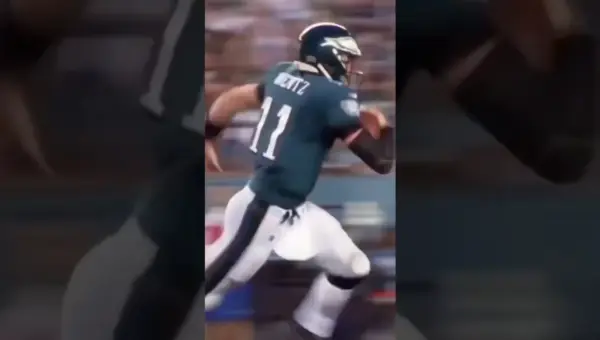
Carson Wentz's NFL career was a rollercoaster of talent and trouble. After a promising start and a Super Bowl season where he was injured, Wentz struggled with consistency and reported attitude issues. His career saw him move from team to team, often ending with costly mistakes and a backup role.
Browns Restructure Garrett’s Deal: Trade Rumors Ignite!
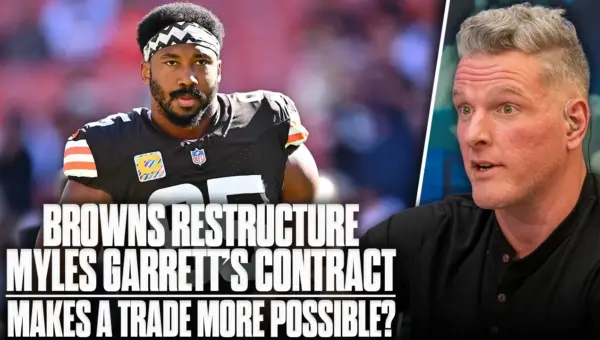
Speculation is running wild after the Cleveland Browns restructured Myles Garrett's contract. While the team insists they are not trading their star defensive end, the financial maneuver has sparked intense debate across the NFL.