Boost Your Mood and Drive: The Power of Testosterone
Testosterone's impact extends beyond physical strength, significantly influencing men's mood, motivation, and anxiety levels. Learn how winning, mindset, and lifestyle choices can naturally boost this vital hormone.

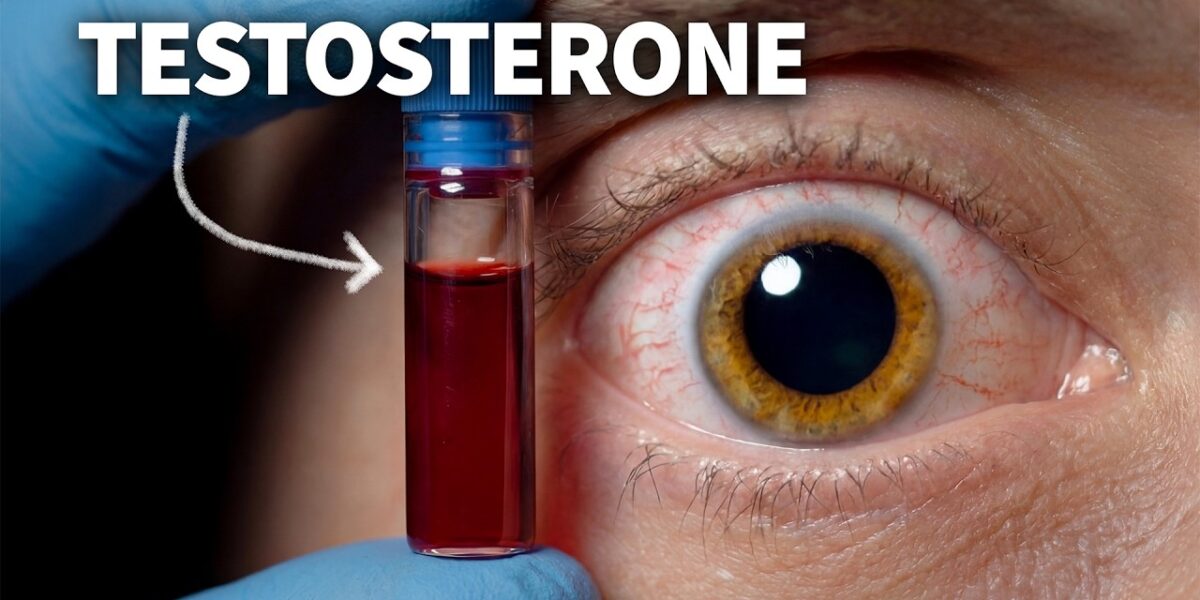
Boost Your Mood and Drive: The Power of Testosterone
Testosterone, often associated with muscle mass and physical strength, plays a surprisingly significant role in men’s mental well-being, influencing everything from motivation and mood to anxiety and confidence. New insights suggest that optimizing testosterone levels could be a powerful, natural way to enhance psychological resilience and drive.
Testosterone’s Far-Reaching Psychological Effects
While the physical benefits of testosterone are widely known—including increased muscle mass, reduced body fat, and enhanced energy—its impact on the mind is equally profound. Research indicates that testosterone can foster a sense of confidence, improve mood, increase persistence, and even act as a natural anti-depressant. Furthermore, it appears to reduce social anxiety and overthinking, making individuals more inclined to take social risks and pursue goals.
Consider the intriguing ritual of Cherro in northern Nigeria, where young men endure a brutal whipping contest as a rite of passage. This ordeal, designed to test manliness, requires high motivation for social status, drive to attract a mate, resilience to social anxiety, willingness to take risks, and significant pain tolerance. The speaker hypothesizes that testosterone plays a crucial role in enabling men to withstand and even succeed in such challenging situations, suggesting that its psychological effects are vital for navigating high-stakes social and personal challenges.
The ‘Winner’s Boost’: How Success Affects Testosterone
A fascinating aspect of testosterone is its dynamic relationship with success. Studies demonstrate that winning a competitive task, whether in sports, games, or even simulated scenarios, can significantly elevate testosterone levels. This effect is so potent that even the mere perception of winning, regardless of actual performance, can trigger a testosterone boost. This phenomenon, termed the ‘winner’s boost,’ suggests that our brains actively release testosterone in response to perceived victories, reinforcing a cycle of confidence and motivation.
This biological response has tangible psychological consequences. Men with higher testosterone levels tend to exhibit more extroverted behavior, approach social situations with less anxiety, and are more motivated to pursue romantic interests. This was illustrated by a personal anecdote where acing a job interview led to a surge in confidence and a willingness to approach a stranger, demonstrating how a perceived win can alter behavior by influencing testosterone levels.
The Downward Spiral of Losses and Low Testosterone
Conversely, losses and setbacks can have a detrimental effect on testosterone levels. Research on rugby players, for instance, showed a significant drop in testosterone following a major match loss. This suggests that our bodies may interpret repeated failures or a low position in social hierarchies as signals to reduce testosterone production. This can create a negative feedback loop: low testosterone can lead to reduced motivation, increased anxiety, and poorer performance, further contributing to a sense of failure and even lower testosterone.
The speaker shares a personal experience of a drastic testosterone drop (90%) after a prolonged fast and marathon, followed by increased irritability, anxiety, and a dark mood. This highlights how extreme physical stress and perceived failure can negatively impact mood and psychological well-being through hormonal changes.
Testosterone and Social Hierarchy
Testosterone appears to act as a marker within social hierarchies, with higher levels often correlating with higher status. In both animal studies and some human research, dominant individuals tend to have higher testosterone. This is linked to the drive for social status, a well-documented function of testosterone. However, it’s important to note that in humans, status is complex and context-dependent. An individual’s perceived status within their family, hobbies, or community might influence testosterone more than their professional rank alone.
The Power of Psychology: The Placebo Effect and Mindset
The profound influence of the mind on the body is further underscored by the placebo effect. Studies have shown that believing a treatment will work can lead to real physiological changes, including pain reduction, improved mood, and enhanced cognitive function, even when the treatment is inert. This suggests that our expectations and beliefs can directly impact our neurochemistry.
Applying this to testosterone, the idea that simply *thinking* you are a winner can boost testosterone is a powerful concept. While not advocating for solely relying on affirmations, the speaker emphasizes that a positive mindset and a perception of accumulating wins, rather than constant losses, can create a virtuous cycle. Feeling optimistic, setting achievable goals, and experiencing progress can naturally support healthier testosterone levels.
Optimizing Testosterone Naturally
The alarming trend of declining testosterone levels in men over recent decades, particularly in younger generations, warrants attention. Factors such as environmental toxins, poor sleep, diet, and blue light exposure are often cited. However, the interconnectedness of psychology and physiology means that addressing our mindset and behaviors is equally crucial.
The speaker advocates for natural methods to optimize testosterone, emphasizing the synergy between physical and mental health. Key strategies include:
- Optimizing Sleep: Quality sleep is fundamental for hormone regulation.
- Weight Management: Maintaining a healthy weight is crucial for hormonal balance.
- Strength Training: Lifting weights, particularly compound exercises like squats, and engaging in high-intensity activities like sprints can stimulate testosterone production.
- Managing Stress and Social Connection: Minimizing conflict in relationships and engaging in social bonding, as observed in primates and humans, can support positive hormonal responses.
- Setting and Pursuing Goals: Creating opportunities to experience success and progress can foster a ‘winner’s mindset’ that supports testosterone levels.
- Mindful Consumption: Reducing alcohol intake and being aware of environmental factors like plastics and pollution that may disrupt hormone function.
Beyond the Numbers: A Holistic Approach
While testosterone levels are an important indicator, they are just one piece of the hormonal puzzle. Factors like free testosterone, DHT, cortisol, estrogen, and androgen sensitivity also play critical roles. The focus should be on a holistic approach to health that supports overall hormonal balance and well-being.
Disclaimer: This article is for informational purposes only and does not constitute medical advice. Always consult with a qualified healthcare professional before making any decisions related to your health or treatment.
Source: Men don't need more therapy. They need more testosterone (YouTube)

Related Articles


Ban Social Media for Under-16s, Urges Minister
Minister Kemi Badenoch is leading a charge to ban social media for children under 16, citing addiction and exploitation. Bereaved parents shared their struggles with children's screen time, emphasizing the need for government intervention and a cultural shift. The debate highlights the growing concerns over social media's impact on youth mental health and safety.

Trump’s All-Night Posting Binge Sparks Sanity Fears
Donald Trump's late-night posting sprees on Truth Social are raising serious questions about his cognitive health. Observers compare his erratic behavior and lack of sleep to signs of dementia, sparking national concern. The implications for leadership and stability are significant.


Trump’s ‘Madman’ Posts and Iran War Raise Mental Health Concerns
Former President Donald Trump's mental fitness is under renewed scrutiny following controversial statements about the Pope and Iran, alongside a former Chief of Staff's reported conclusion of mental illness. His handling of the Iran conflict and a 'Christ-like' social media post are cited as evidence of erratic behavior.