Putin’s Gambit: Russia Denies Trump’s Ukraine Peace Claims
Donald Trump claimed a productive call with Vladimir Putin about ending the Ukraine war, but Russia denies any such discussion occurred. The conflicting accounts highlight issues of disinformation and the challenges of international diplomacy.

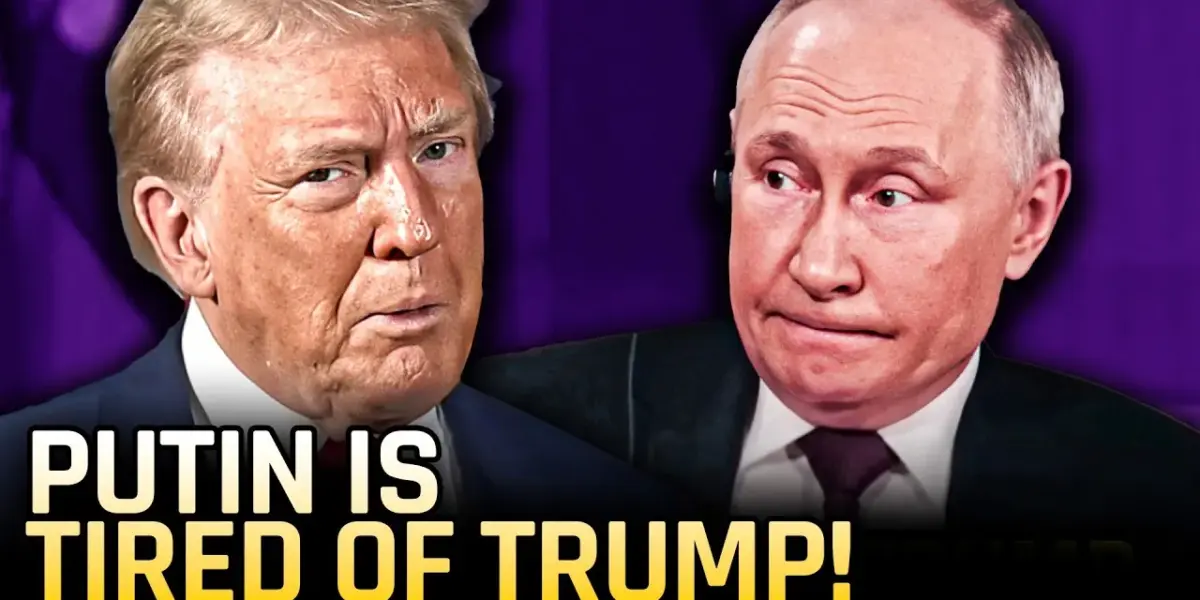
The Unfolding Narrative: Trump’s Call with Putin and the Ukraine War
In a recent development that has stirred international commentary, former U.S. President Donald Trump claimed to have had a productive call with Russian President Vladimir Putin, during which Trump asserted he urged Putin to resolve the conflict in Ukraine. Trump, speaking from his golf resort in South Florida, stated the call was “great” and that he had told Putin, “You better stop this with Ukraine. You know, you guys better figure it out.” He further elaborated, “We were talking about Ukraine, which is just a never-ending fight, and when his tremendous hatred between President Putin and President Zalinsky, they can’t seem to get it together.” Trump added that he pushed Putin to “Get the Ukraine Russia war over with by golly.”
Deconstructing Trump’s Account
However, the narrative presented by Trump has been sharply contested by Russian officials. Multiple Kremlin spokespeople, including a top aide to Putin, have contradicted key aspects of Trump’s statement. According to the Russian account, the conversation did not involve discussions about ending the conflict in Ukraine. One official, Yuri Ushakov, stated that the call was the first between the two leaders in some time, with their previous conversation occurring at the end of December. While the recent call reportedly lasted about an hour, Ushakov suggested it was largely focused on the infrequency of their communication and a mutual agreement to maintain more regular contact. Another senior Russian official reportedly confirmed that Trump did not raise the issue of a ceasefire in Ukraine during the conversation.
Dissecting the Discrepancies: Who to Believe?
The stark divergence between the American and Russian accounts presents a complex situation, particularly given the historical patterns of communication from both figures. It is widely acknowledged that Donald Trump has a tendency to embellish or misrepresent events, often to portray himself in a more favorable light. Conversely, Russia, and specifically its government, has a well-documented history of disinformation and strategic communication that often seeks to undermine adversaries or advance its own geopolitical interests. The transcript itself acknowledges this dilemma: “Trump lies all the time. Russia lies all the time. So we actually don’t know who to believe.”
The author of the transcript posits a “split the difference” approach, suggesting both sides are likely being untruthful to some extent. However, a leaning is expressed towards the Russian version, based on the observation that Russia might have an incentive to make Trump appear less influential or effective, particularly if the call was indeed unproductive. If the call was merely a perfunctory catch-up, Russia might be motivated to highlight this to diminish any perceived diplomatic leverage Trump claims to possess. Nevertheless, the caveat remains that any statement from Russian officials must be viewed with skepticism.
The Core of the Conflict: Territory vs. Hatred
The transcript also takes issue with Trump’s characterization of the conflict as stemming from “tremendous hatred between President Putin and President Zalinsky.” It argues that this framing misrepresents the fundamental cause of the invasion. The analysis asserts that Putin’s motivation was territorial acquisition, a characteristic of authoritarian expansionism, rather than a personal vendetta against the Ukrainian president. The text directly challenges Trump by stating, “It wasn’t like this mutual hatred thing. It was Putin is a dictator and wants to start annexing other countries. Sound familiar though, Donald? I mean, that’s kind of exactly the same path you are on.” This comparison draws a parallel between Putin’s actions and potential ambitions attributed to Trump.
Incompetence or Indifference? The Implication for Action
Regardless of the veracity of the specific claims made about the call, the analysis concludes that nothing of substance was achieved. This lack of accomplishment is attributed to two primary factors: Donald Trump’s inherent incompetence and his alleged lack of genuine care about the outcomes. The argument suggests that Trump is fundamentally incapable of achieving meaningful results, not just due to a lack of skill, but also because of a perceived indifference to the issues at hand. This perspective implies that even if Trump were to engage in diplomatic efforts, his approach would be ineffective.
Why This Matters
The alleged conversation between Trump and Putin, and the subsequent conflicting reports, highlights several critical issues in international relations and domestic politics. Firstly, it underscores the complex and often opaque nature of communication between global leaders, especially those with adversarial relationships. The ability to control the narrative surrounding such interactions is a significant tool in geopolitical maneuvering.
Geopolitical Implications and Narrative Control
The conflicting statements serve to confuse the international community and potentially weaken unified responses to aggression. If Trump, a former U.S. President and a significant figure in American politics, claims to be mediating peace, but Russia denies any such discussion, it creates an information vacuum that can be exploited. This ambiguity can undermine diplomatic efforts by allies and complicate policy-making for current administrations.
The Role of Disinformation in Diplomacy
The situation is a stark reminder of the pervasive role of disinformation in modern diplomacy. Both sides, operating under different strategic imperatives, are using public statements to shape perceptions. For Russia, discrediting Trump’s claims might serve to reinforce its narrative that the West is divided or that Trump lacks genuine influence. For Trump, claiming a successful intervention, even if disputed, could bolster his image as a decisive leader capable of making deals.
Historical Context: The Evolving U.S.-Russia Dynamic
The relationship between the United States and Russia has been fraught with tension for decades, from the Cold War rivalry to the current era marked by Russian aggression in Ukraine and broader geopolitical competition. During Trump’s presidency, his administration’s approach to Russia was often characterized by a mix of sanctions and attempts at direct engagement, leading to considerable debate about its effectiveness. This recent exchange fits into a broader pattern of challenging and often contradictory interactions between American and Russian leadership, where public pronouncements frequently obscure the reality of private discussions.
Future Outlook: The Impact on Ukraine and Global Stability
The inability to establish a clear and truthful account of this interaction has implications for the ongoing war in Ukraine. A unified international front is crucial for supporting Ukraine and deterring further Russian aggression. When prominent political figures, particularly former leaders of major powers, engage in actions that create confusion or appear to legitimize authoritarian narratives, it can embolden aggressors and weaken resolve. The future outlook depends on the ability of credible sources to provide clarity and for international actors to maintain a cohesive strategy, regardless of the rhetoric emanating from partisan political figures.
Ultimately, the incident serves as a case study in the challenges of discerning truth in political discourse, especially when dealing with actors known for strategic ambiguity and disinformation. The core issue remains the conflict in Ukraine, and the effectiveness of any potential diplomatic resolution is hampered by such fragmented and contested communication.
Source: Even Putin Is Getting Sick Of Trump (YouTube)

Related Articles
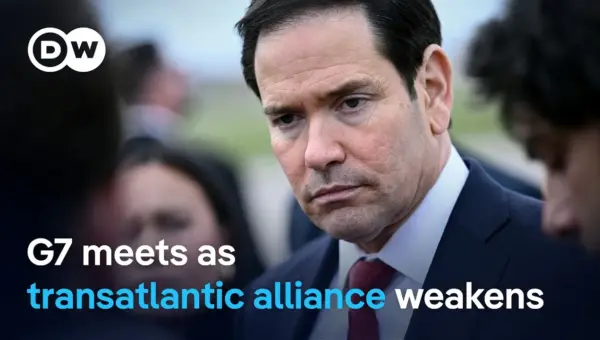
G7 Allies Clash Over Iran War Strategy, Urge Focus on Russia
G7 foreign ministers met in Paris, revealing deep divisions over the U.S. war with Iran. European allies urged the U.S. to pressure Russia, linking its actions to the conflict and fearing support for Ukraine will wane.

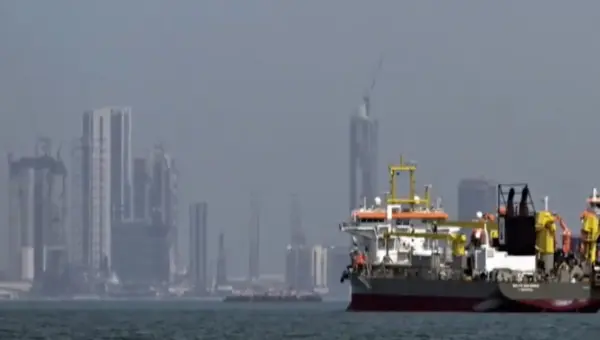
Iran Blocks China Ships, Exposing Beijing’s Weak Grip
Iran's recent decision to block Chinese ships at the Strait of Hormuz is exposing the limits of Beijing's influence in the Middle East. This action is causing delays and cancellations for Chinese manufacturers, turning a perceived geopolitical win into an economic strain.
Trump’s “Walk Away” Tactic Signals Tougher Stance on China
Retired Air Force Brigadier General David Stillwell believes President Trump's strategy of being willing to walk away from negotiations puts pressure on China. This tactic, combined with US global actions and strengthened alliances, signals a more assertive American foreign policy.