Iran Tensions: US Weighs Options Beyond Airstrikes
Retired General Jack Keane suggests the U.S. has numerous options beyond airstrikes to counter Iran's threats. The strategy focuses on reducing Iran's offensive capabilities and creating conditions for regime change, while significant Israeli involvement is noted. The implications for global oil markets and investor strategy are considerable.

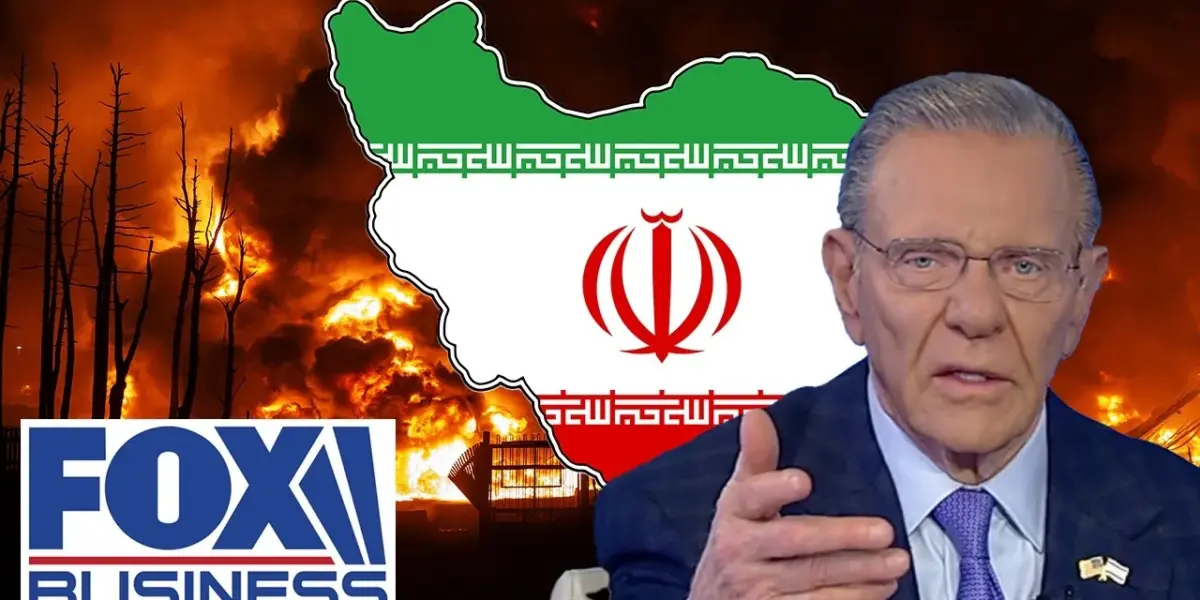
US Explores Diverse Strategies Amidst Iran Tensions, General Hints at Options Beyond Airstrikes
The United States is actively exploring a range of strategic options to counter Iran’s disruptive activities in the crucial Strait of Hormuz and beyond, with retired Four-Star General Jack Keane suggesting that military responses extend far beyond conventional airstrikes. Amidst escalating regional tensions and concerns over Iran’s nuclear ambitions, the U.S. is focused on diminishing Iran’s capacity to threaten maritime traffic and its broader offensive capabilities.
Naval Escorts and International Cooperation
A significant challenge highlighted by General Keane is the sheer scale of protecting commercial shipping. “The force that it takes to escort these two ships per tanker. There is hundreds of tankers,” he stated. For the United States to undertake this mission unilaterally would significantly strain its resources and potentially impede other critical operations. “If we had to do all of it, we could, but it would slow down the trafficking quite a bit,” Keane explained, emphasizing the need for international collaboration. The U.S. is seeking assistance from NATO allies to help maintain open sea lanes, a request that has met with skepticism regarding the willingness of some nations to participate.
“I think that it is a stretch. They have a vested interest in Iran surviving this thing and coming out the other end with some capabilities so that they can continue to be a thorn in the side of the United States and our allies in the region.”
General Jack Keane on potential allied support
Shifting Strategic Landscape and Allied Dynamics
General Keane described a complex geopolitical environment where nations like Russia, China, and North Korea are increasingly aligned. He noted that these four countries are working in concert, making it difficult to isolate or divide them through negotiation. This interconnectedness influences the strategic calculus in dealing with Iran.
Considering a Broader Spectrum of Military Actions
Speculation has arisen regarding potential actions targeting Iran’s nuclear program, particularly its enriched uranium stockpiles. General Keane indicated that the U.S. possesses a variety of options beyond aerial bombardment. “There are plenty of options out there to take down targets that are not conducive to airstrikes,” he revealed. For specific targets like enriched uranium, Keane suggested that “a raid type operation would be appropriate.” He further elaborated on the President’s consideration of ground forces, noting that “in the back of his mind because he has been briefed, there are targets I would be better to use a ground force raid to deal with that target then an airstrike.”
Crucially, Keane distinguished the U.S. approach from Russia’s actions in Ukraine. “There are no plans here to do what Putin is doing. Putin is trying to take control of Ukraine and change the order. What we were doing here is not that at all. All we want to do was take away the offense of capability now and the future from attacking from including nuclear weapons.” The objective, he stressed, is to neutralize Iran’s offensive capabilities, both immediate and future, without seeking territorial control or regime change through direct invasion.
Significant Israeli Involvement
The transcript revealed substantial involvement from Israel in countering Iran’s actions. Central Command reported approximately 15,000 strikes against Iran, with Israel conducting nine of those strikes. “They are significantly involved here,” Keane stated. Beyond direct strikes, Israel is reportedly targeting organizations that sustain Iran’s regional influence, including militias and critical infrastructure, aiming to degrade Iran’s ability to project power.
Dual Objectives: Denying Capabilities and Fostering Change
The overarching strategy appears to encompass two primary objectives: neutralizing Iran’s offensive weapons capabilities, both present and future, and creating conditions conducive to eventual regime collapse. “The other one, hopefully in the future, the regime collapses and they begin to change themselves,” Keane explained, expressing a hope for internal change within Iran, potentially involving its populace.
Congressional Scrutiny and Public Opinion
The mission has not been without its critics. Some Democrats in Congress have voiced concerns, questioning the ultimate goals of the operation. Congressman Jim Hines, for example, has raised questions about the end goal. The transcript also touched upon the economic impact, with a reference to a potential $0.60 increase in gasoline prices over two weeks due to the conflict, and acknowledged past U.S. casualties in Iran-related incidents, including over 2,000 deaths since 1983.
However, the article also presented a counter-argument regarding public willingness to endure economic hardship for national security. “I think if you asked the American people straight out, are you willing to put up with higher oil prices for several weeks while we finish this regime and stop them from killing us and attacking our bases?” the argument posited, suggesting that a majority might support such measures if framed correctly, especially concerning Iran’s potential nuclear weapons capability and missile reach.
Casualty Figures and Current Status
Addressing casualty concerns, the transcript clarified that while there were initial combat deaths within the first 24 hours of engagement, there have been no subsequent combat fatalities. “They fortunately and blessedly are enormously light,” the statement read, referring to the overall low number of casualties, including both civilian and military, with a mention of Israeli casualties as well.
Market Impact
The ongoing geopolitical tensions surrounding Iran, particularly concerning the Strait of Hormuz, continue to be a significant factor influencing global oil prices and the energy sector. Any escalation or perceived threat to oil supply routes can lead to increased volatility in crude oil markets, impacting energy stocks and broader market sentiment. Geopolitical instability in the Middle East often translates to higher risk premiums in financial markets, affecting investor confidence and potentially leading to a flight to safety in assets like gold or U.S. Treasury bonds. Conversely, a de-escalation or resolution of the conflict could lead to a decrease in oil prices and a boost in market sentiment.
What Investors Should Know
Investors monitoring the situation should pay close attention to developments in the Strait of Hormuz, official statements from the U.S. and its allies regarding Iran, and the pronouncements of OPEC and other major oil producers. The energy sector, including oil and gas companies, refiners, and related service providers, remains highly sensitive to these geopolitical shifts. Diversified portfolios may offer some resilience against sector-specific volatility. Monitoring geopolitical risk factors is crucial for assessing potential impacts on inflation, consumer spending, and overall economic growth.
Source: 'PLENTY OF OPTIONS': Gen Keane hints the US has WAY more than just airstrikes for Iran (YouTube)

Related Articles

G7 Allies Clash Over Iran War Strategy, Urge Focus on Russia
G7 foreign ministers met in Paris, revealing deep divisions over the U.S. war with Iran. European allies urged the U.S. to pressure Russia, linking its actions to the conflict and fearing support for Ukraine will wane.

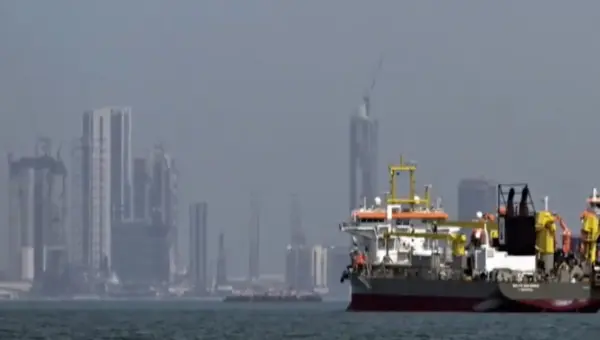
Iran Blocks China Ships, Exposing Beijing’s Weak Grip
Iran's recent decision to block Chinese ships at the Strait of Hormuz is exposing the limits of Beijing's influence in the Middle East. This action is causing delays and cancellations for Chinese manufacturers, turning a perceived geopolitical win into an economic strain.
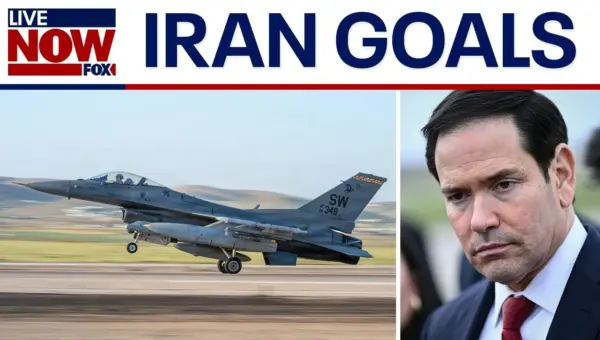
Rubio: US Can Achieve Iran War Goals Without Troops
Senator Marco Rubio outlined a strategy to counter Iran without deploying U.S. ground troops, focusing on weakening the regime and enhancing maritime security. He also criticized Cuba's economic system and expressed concerns about West Bank violence.