Young Trump Voters Express ‘Betrayal’ Over Unmet Promises
Young voters who supported Donald Trump are expressing feelings of "betrayal" as his key promises on lowering prices and ending wars remain unfulfilled. A focus group in North Carolina revealed widespread disillusionment and exhaustion with the political process, raising concerns about future voter turnout and the stability of Trump's electoral coalition.

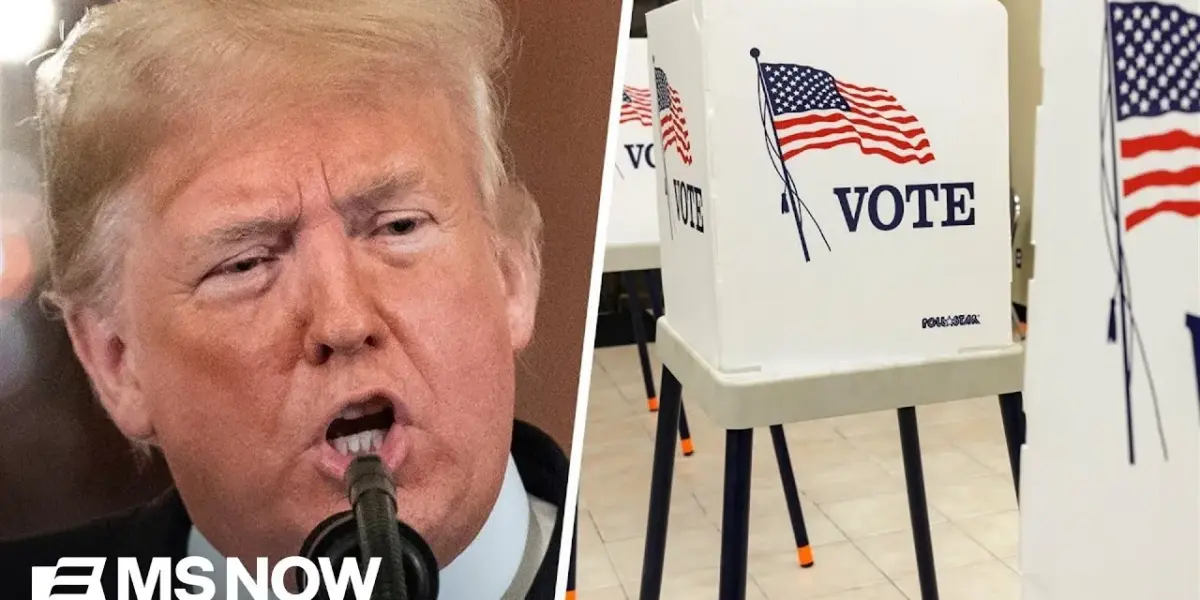
Young Trump Supporters Voice Disillusionment
A recent focus group in North Carolina has revealed a growing sense of disillusionment among young voters who previously supported Donald Trump. These voters, a key demographic that helped propel Trump to the White House, are now expressing frustration that his campaign promises, particularly regarding lower prices and ending foreign conflicts, have not been fulfilled. The findings, detailed in a report by The Washington Post, suggest a potential shift in the political landscape and raise questions about Trump’s ability to maintain his coalition of young supporters.
Unfulfilled Promises and Economic Woes
Interviews with young voters, some in their mid-twenties, highlighted a profound sense of being “betrayed.” Many had pinned their hopes on Trump to improve the economy, lower the cost of living, and bring an end to protracted wars. However, the reality on the ground for these individuals paints a different picture. Several participants described working multiple jobs, pursuing education, and adhering to societal expectations, yet still struggling to achieve financial stability. This struggle, coupled with a perceived lack of focus on domestic issues by the Trump administration, has led to significant frustration.
“I feel betrayed,” one 26-year-old voter told The Washington Post. “I want to bring in one of the reporters behind that story, Dan Marica, co-anchor of The Washington Post’s Daily Brief.”
Dan Marica, a reporter for The Washington Post and co-anchor of its Daily Brief, discussed the findings, noting the “exhaustion” felt by these young people. “I mean, these are young people who have two, three jobs, who have gone to school, who feel like they’re doing everything that they were told to do, everything right, and they just can’t get ahead,” Marica explained. He emphasized that the core of the betrayal lies in the belief that Trump would prioritize domestic concerns, a promise that many feel was not met.
Exhaustion with the Political Process
Beyond specific policy grievances, a pervasive theme emerging from the focus group was a deep-seated exhaustion with the political process itself. Some voters indicated that their frustration and disappointment might lead them to abstain from voting altogether in future elections. This sentiment stems from a reluctance to make another choice they might later regret, mirroring their current feelings about their support for President Trump.
Julie Roginsky, a Democratic strategist and author of The Salty Politics newsletter, commented on the implications for the Democratic party. “That’s the problem, isn’t it, Julie, for Democrats? Because they may say well, those are votes that that Donald Trump lost, but it would be awfully helpful if they could gain them,” she stated, posing the challenge of whether these disillusioned voters can be persuaded to engage with the Democratic party.
A Call for Trust and Accountability
Roginsky argued that Democrats must actively engage these voters, acknowledging their disappointment and reframing their choices. “You were lied to by this president. The reality is he looked you in the eye and he lied to you about forever wars. He looked you in the eye and lied to you about the economy getting better. Neither of those things have happened. Your life has not gotten better, even though you were promised that it would,” she elaborated. Roginsky suggested a persuasive approach: “So, you took a chance on him. He failed you. Take a chance on us. And, And hopefully you’ll hold us to account if we don’t do what we have to do.”
She further explained the current strategic position of Democrats, which she described as playing defense to prevent the president from escalating conflicts or further damaging the economy. The hope, she noted, is to earn trust over time and be judged on future performance, ideally with a Democratic president in the White House.
Shifting Demographics and Future Implications
The focus group’s findings are particularly significant given Trump’s historical performance with young voters. While Kamala Harris won the youth vote, Trump achieved a stronger showing than any Republican nominee in the past two decades. The current disillusionment among this group could pose a substantial challenge for Republicans in upcoming elections, not just in North Carolina but nationwide.
Marica highlighted that this trend is not isolated to North Carolina, citing broader polling data that reflects young people’s dissatisfaction with Trump. “This focus group hints that that might not be the case, that he is leaking voters, leaking support with young voters. And that could be really a huge issue for Republicans who are on the ballot… nationwide, because this is not isolated to North Carolina,” he reported.
Broader Societal Anxieties
The reporting also touched upon the broader societal anxieties affecting young people, including the impact of social media on their political views. The influence of online figures, particularly within the “manosphere,” was noted as instrumental in shaping opinions, especially among young men, in the closing weeks of the campaign. However, some of these influencers have reportedly broken with Trump over issues like the economy and foreign policy, indicating a potential fracturing of support.
“It’s all coming to a head at the same time. And I think this is a clear pressure point on the president right now and why you see some of the concern around his focus on Iran instead of a focus on the economy,” Marica concluded, underscoring the confluence of economic concerns and foreign policy debates as critical issues for the current administration.
Looking Ahead
The sentiments expressed in this North Carolina focus group serve as a critical indicator of potential shifts in voter sentiment. As the political landscape evolves, the ability of both parties to connect with and mobilize young voters will be paramount. The coming months will reveal whether this disillusionment translates into widespread political disengagement or a redirection of support towards alternative candidates and parties, with a particular focus on how these young voters navigate their frustrations and decide on future electoral participation.
Source: Buyers remorse? Young Trump voters tell WaPo they feel 'betrayed' by president (YouTube)

Related Articles

House Funds DHS Short-Term, Senate Stalemate Looms
The House has passed a short-term bill to fund the Department of Homeland Security, but the Senate is expected to reject it. This temporary measure highlights ongoing political divisions and the challenges in reaching long-term budget agreements in the U.S. Congress.

Congress Stalemate Threatens Border Security Funding
The U.S. House passed a temporary funding bill for the Department of Homeland Security, but Senate Democrats are expected to block it. This recurring stalemate highlights deep divisions over border policy and funding, potentially impacting national security and international perceptions of U.S. stability.

Polls Spell Doom: Republicans Face Voter Backlash
New polling data reveals a sharp decline in public confidence regarding the economic impact of Republican policies, particularly under Donald Trump. A significant majority now feel financially worse off, a trend that is especially pronounced among independent voters. This economic discontent poses a major challenge for the Republican party heading into future elections.