Trump’s Health Revelation: A Political Gambit or Genuine Concern?
Donald Trump's revelation of Congressman Neil Dunn's "terminal diagnosis" has ignited a firestorm of debate. This analysis explores the ethical implications, political motivations, and historical context surrounding the disclosure of private health information in the public sphere.

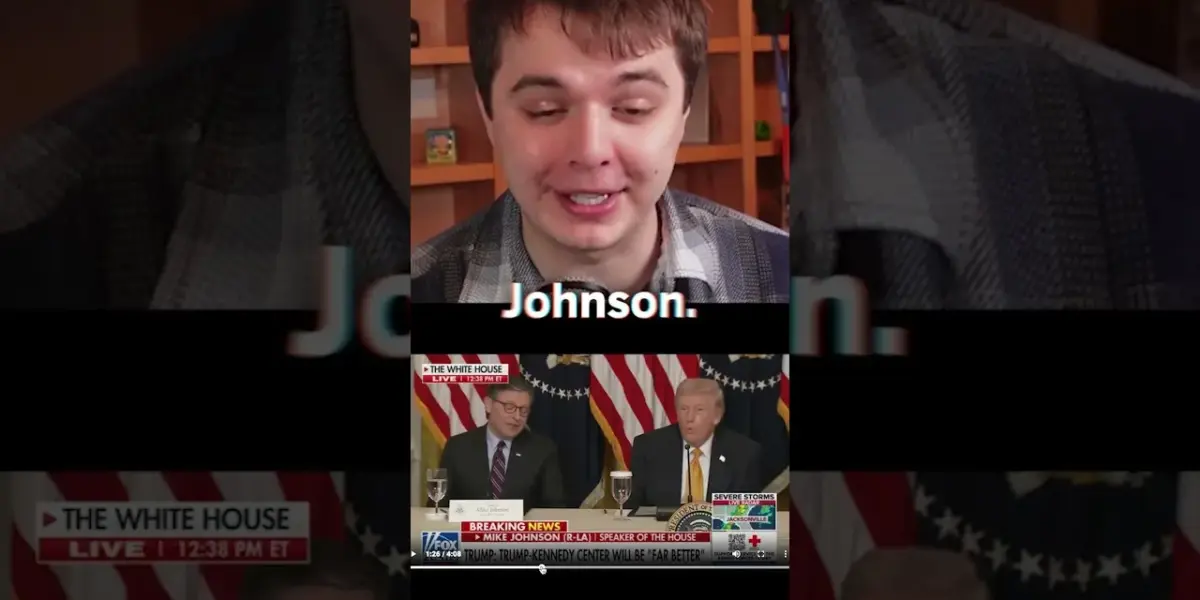
Trump’s Unsettling Revelation of Congressman’s Health Status Sparks Controversy
In a recent public appearance, former President Donald Trump revealed what he described as a “terminal diagnosis” for a sitting Congressman, sparking immediate debate about privacy, political strategy, and the ethics of sharing sensitive personal health information. The incident, captured on video and widely circulated online, involves Congressman Neil Dunn of Florida and a serious heart condition that Trump claimed had a grim prognosis, including a prediction of death by June.
The Revelation and Its Immediate Aftermath
The exchange, which occurred during a live event, saw Trump initially hesitant to name the Congressman, questioning if his name was public knowledge. However, upon encouragement from an individual present, Trump proceeded to identify Congressman Dunn, detailing the severity of his health challenges. Trump stated, “Congressman Neil Dunn of Florida had had some real health challenges and it was very serious and, uh, had had a pretty grim diagnosis.” When pressed for specifics, Trump elaborated, “It was uh I mean I think it was a terminal diagnosis. He would be dead by June.” He further clarified that the issue was a heart problem.
The context of this revelation was framed by Trump as an act of encouragement and a strategic necessity. He described calling Congressman Dunn to “encourage him and thank him.” However, he also candidly admitted a secondary motive: “I needed his vote.” Trump’s own words, “I did it for him first and for the vote second, but it was a close second, actually. But I did it for the vote second,” highlight a complex interplay between personal outreach and political calculation.
Criticism and Counterarguments
The immediate reaction from some observers was critical. One commentator pointed out, “That was an aggressive tap on the back of Mike Johnson. Also, you’re not supposed to just reveal people’s personal health issues like this.” This sentiment underscores a widely held ethical boundary regarding the disclosure of private medical information, especially without explicit consent.
Further adding to the controversy, another voice directly challenged Trump’s narrative, stating, “He’s lying. That was the lie. He did it for the vote. He obviously very clearly did it for the votes.” This assertion suggests that Trump’s primary motivation was indeed political expediency, with any mention of personal encouragement being a secondary or disingenuous afterthought. The critic further implied a broader pattern of behavior, stating, “He’s gotten over a dozen US service members killed over the past two weeks. So, he doesn’t care about the sanctity of life. if he cares about the political power that he” – a statement that attempts to link Trump’s alleged disregard for life to his actions in revealing the Congressman’s health status.
Historical Context and Precedents
The issue of politicians’ health, and the information surrounding it, has a long and often sensitive history. In the past, concerns about a candidate’s or official’s health have significantly influenced public perception and electoral outcomes. For instance, John F. Kennedy’s struggles with Addison’s disease were largely concealed during his 1960 presidential campaign, highlighting the perceived political risk associated with such disclosures. Conversely, Ronald Reagan’s age and perceived cognitive decline became a focal point in his second term.
The current incident, however, shifts the focus from a candidate’s own health to the disclosure of another individual’s private medical details. This raises questions about the evolving norms of political discourse and the extent to which personal information can be weaponized or leveraged in the political arena. The digital age, with its rapid dissemination of information, amplifies the impact of such revelations, making privacy a more fragile commodity in the public sphere.
Why This Matters
This event is significant for several reasons. Firstly, it brings into sharp focus the tension between an individual’s right to privacy regarding their health and the public’s interest in the well-being of their elected officials, particularly when those officials are involved in critical legislative processes (like voting). Secondly, it highlights the ethical tightrope that public figures, especially those in positions of power, must walk when discussing sensitive personal information about others. The potential for such revelations to be perceived as manipulative or exploitative is high.
Furthermore, the incident raises questions about the sincerity of political appeals. When a leader speaks of personal connection and encouragement, the public is left to discern whether these words are genuine or part of a calculated political strategy. The explicit admission of prioritizing a vote, even if framed as secondary, complicates this discernment and can erode trust.
Implications, Trends, and Future Outlook
The implications of this incident extend beyond the immediate controversy. It could contribute to a further erosion of trust in political figures, as audiences become more skeptical of the motivations behind public statements. The normalization of discussing private health matters in the political sphere, even with the guise of concern, sets a potentially dangerous precedent. It blurs the lines between public duty and private life, potentially making individuals hesitant to enter public service if their most personal struggles could become fodder for political gain.
Looking ahead, we may see increased scrutiny over how politicians discuss health-related issues, both their own and those of their colleagues. There could be a push for clearer ethical guidelines or even legislative action to protect individuals’ health privacy in the political context. Conversely, as political discourse becomes more polarized and less constrained by traditional norms, such revelations might become more common, framed as “telling it like it is” or exposing perceived hypocrisy.
The incident involving Congressman Dunn and former President Trump serves as a stark reminder of the complex ethical landscape of modern politics. It compels us to consider not only the information that is shared but also the manner in which it is shared, and the underlying intentions that drive such disclosures. The balance between transparency, privacy, and political strategy remains a delicate and often contentious one.
Source: Trump Reveals Congressman’s “Terminal Diagnosis” LIVE #politics #fyp #new (YouTube)

Related Articles

House Funds DHS Short-Term, Senate Stalemate Looms
The House has passed a short-term bill to fund the Department of Homeland Security, but the Senate is expected to reject it. This temporary measure highlights ongoing political divisions and the challenges in reaching long-term budget agreements in the U.S. Congress.

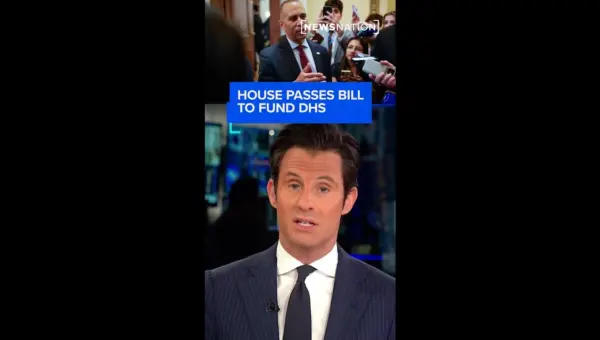
Congress Stalemate Threatens Border Security Funding
The U.S. House passed a temporary funding bill for the Department of Homeland Security, but Senate Democrats are expected to block it. This recurring stalemate highlights deep divisions over border policy and funding, potentially impacting national security and international perceptions of U.S. stability.

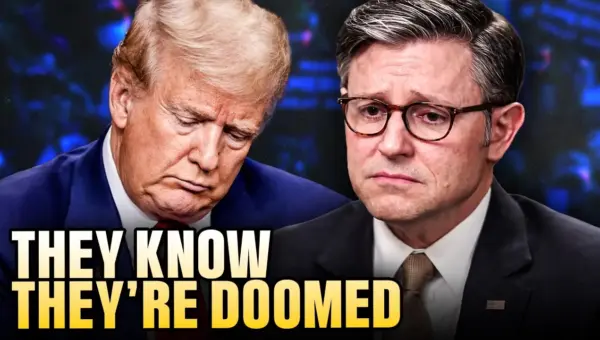
Polls Spell Doom: Republicans Face Voter Backlash
New polling data reveals a sharp decline in public confidence regarding the economic impact of Republican policies, particularly under Donald Trump. A significant majority now feel financially worse off, a trend that is especially pronounced among independent voters. This economic discontent poses a major challenge for the Republican party heading into future elections.