Strait of Hormuz Blockade: Naval Escorts Offer Limited Solution
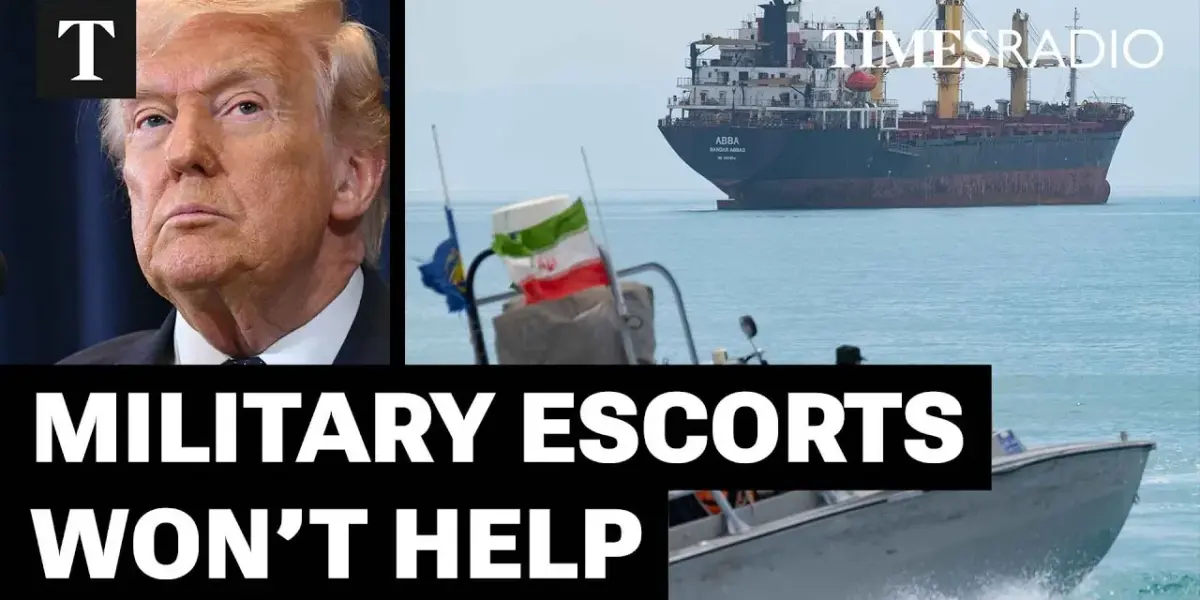
Naval escorts offer limited relief for shipping traffic through the Strait of Hormuz, which remains severely restricted due to ongoing attacks and the narrowness of the waterway. Experts warn that even a multinational coalition could only restore a fraction of normal trade flows, highlighting the urgent need for a political resolution to ensure global supply chain stability.

Strait of Hormuz Navigational Crisis Deepens Amidst Limited Shipping Activity
Shipping traffic through the vital Strait of Hormuz remains severely restricted, with naval escorts offering only a partial and uncertain solution to the escalating security concerns. Despite recent attempts by non-Iranian vessels to transit the narrow waterway, the overall movement of global energy exports is significantly hampered. The situation, exacerbated by a series of direct ship attacks, has placed the shipping industry in a precarious position, where any movement carries substantial risk.
Shadow Fleet Dominates Amidst Ongoing Attacks
For weeks, the majority of ships navigating the Strait of Hormuz have been characterized as “shadow fleet” vessels, primarily involved in Iranian exports. This dynamic has persisted because Iran, understandably, does not target its own ships. Prior to the most recent wave of attacks, Iran’s export levels remained consistent with pre-conflict figures. Meanwhile, other vessels were either confined within the Gulf or waiting outside, unable to enter due to security apprehensions.
The landscape shifted significantly over the weekend with a new round of direct ship attacks. The total number of vessels hit by missiles since the conflict began has now reached 16. In the aftermath of this latest escalation, a few ships made a strategic decision to attempt passage, aiming to exit the strait before further attacks could occur. This highlights the complex risk calculations currently underway, with various actors, including the Indian and Chinese governments, reportedly engaging in direct negotiations with Iran to secure passage for their respective vessels.
Naval Coalitions: A Limited Response to Narrow Waterways
The proposal for a multinational coalition to protect tankers, championed by Donald Trump, has been met with a degree of skepticism within the industry. While there’s an acknowledgment of the need for naval protection, the practicalities of such an operation in the Strait of Hormuz present significant challenges. The waterway’s narrowness is a critical factor; it is typically responsible for 20% of global energy exports.
“This is a very narrow waterway. Normally you are speaking about 20% of global energy exports coming through this very small passage. Now, if you were doing that on a convoy basis with naval escorts, hypothetically, uh you apply say 8 to 10 destroyers, uh they would only realistically be able to do convoys of between 5 to 10 commercial ships at one point. And you would only have that one way because it’s too narrow to do both ways at the same time.”
Even with substantial naval assets, such as 8 to 10 destroyers, the convoy system could only accommodate between 5 to 10 commercial ships at any given time, and only in one direction due to the strait’s constraints. This logistical limitation means that, in a best-case scenario, only 8 to 10% of normal shipping flows could be maintained. While such a coalition might facilitate the passage of some ships and potentially alleviate immediate concerns for certain parties, it is unlikely to restore trade flows to pre-conflict levels or prevent a significant impact on oil prices.
The Unseen Threat: Underwater Mines and Mine-Hunting Capacity
Beyond direct attacks, the threat of underwater mines adds another layer of complexity and risk to navigation in the Strait of Hormuz. The mere theoretical possibility of mines being present creates a significant reluctance for vessels to enter potentially affected waters. Unlike surface mines, which are visible and easier to neutralize, underwater mines triggered by movement pose a more insidious threat.
Identifying and clearing these mines requires specialized mine-sweeping vessels. However, there is a noted capacity issue with these crucial assets. The US Navy recently decommissioned three of its mine-hunting vessels, and other naval forces have also seen their capabilities reduced or redeployed. This scarcity means that any confirmed evidence of mines would necessitate a substantial and potentially lengthy naval operation to clear the passage, further exacerbating the existing disruptions.
Fragile Supply Chains and the Need for Political Resolution
The disruptions in the Strait of Hormuz serve as a stark reminder of the fragility of global supply chains, a vulnerability that became acutely apparent during the COVID-19 pandemic and events like the Suez Canal blockage. The impact extends far beyond oil prices, affecting containerized goods, dry bulk commodities, and even food prices due to the inability of grain to move freely.
Ultimately, a swift and comprehensive resolution to the current crisis is unlikely to be achieved through purely military or security measures. The consensus among industry experts is that a political solution between Iran and the involved parties is essential. While security can be enhanced, it cannot fully address the capacity limitations imposed by the strait’s geography and the ongoing security threats. Without a diplomatic breakthrough, the global economy will continue to grapple with the repercussions of these fragile supply lines.
Looking Ahead
The coming weeks will be critical in observing whether diplomatic efforts can de-escalate tensions and lead to a political resolution. The effectiveness and deployment of any multinational naval coalition will also be closely monitored, as will the potential for further attacks or the confirmation of any mine threats. The global economy’s reliance on the Strait of Hormuz means that any developments in this region will continue to have far-reaching consequences.
Source: Military Escorts Won’t Accelerate Blocked Energy Exports In Hormuz | Richard Meade (YouTube)

Related Articles

G7 Allies Clash Over Iran War Strategy, Urge Focus on Russia
G7 foreign ministers met in Paris, revealing deep divisions over the U.S. war with Iran. European allies urged the U.S. to pressure Russia, linking its actions to the conflict and fearing support for Ukraine will wane.

Iran Blocks China Ships, Exposing Beijing’s Weak Grip
Iran's recent decision to block Chinese ships at the Strait of Hormuz is exposing the limits of Beijing's influence in the Middle East. This action is causing delays and cancellations for Chinese manufacturers, turning a perceived geopolitical win into an economic strain.
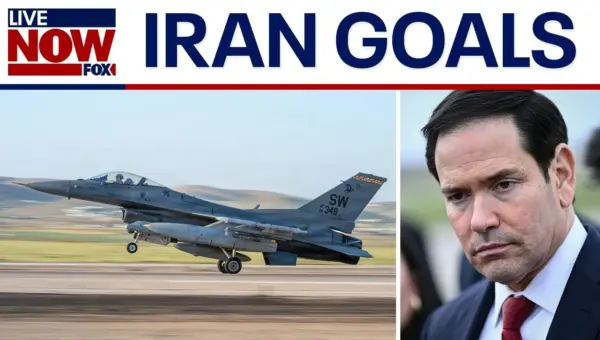
Rubio: US Can Achieve Iran War Goals Without Troops
Senator Marco Rubio outlined a strategy to counter Iran without deploying U.S. ground troops, focusing on weakening the regime and enhancing maritime security. He also criticized Cuba's economic system and expressed concerns about West Bank violence.