Russia Faces Air Raids as Allies Collapse
Russia is experiencing unprecedented air raid alerts across 13 regions as its geopolitical influence wanes and allied regimes face collapse. The Kremlin's strategy of denial is being challenged by growing vulnerability on its own territory and a depletion of military resources, raising questions about future stability.

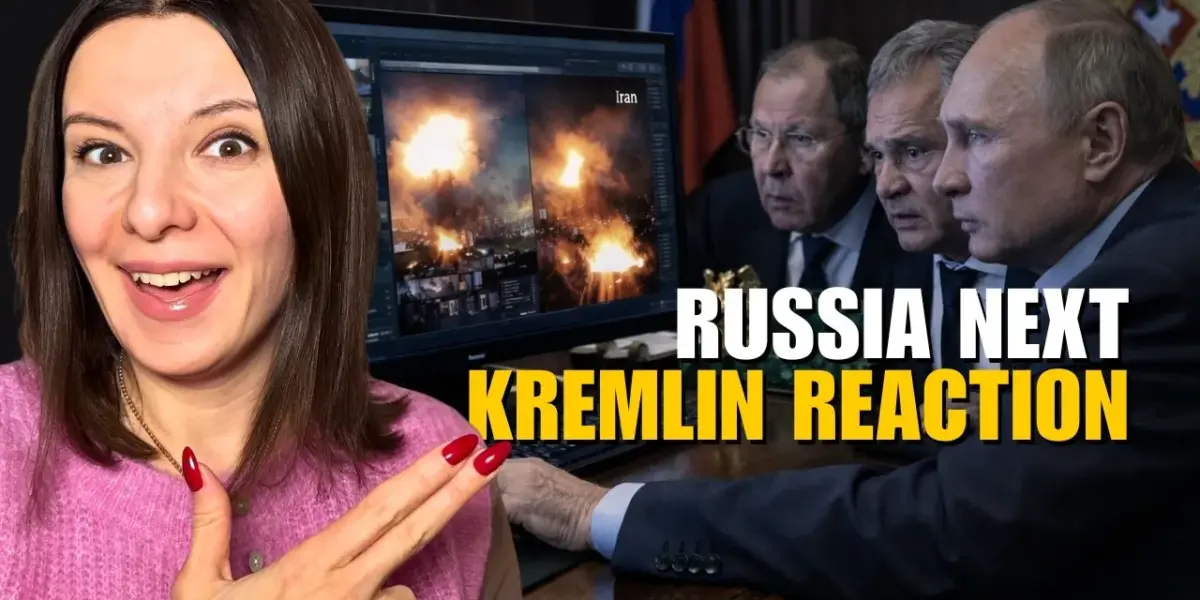
Russia Experiences Widespread Air Alerts Amidst Geopolitical Weakness
Moscow is facing an unprecedented security challenge as 13 of its regions recently experienced joint air raid alerts, a stark indicator of Russia’s expanding vulnerability. This development coincides with the perceived collapse of allied regimes and a growing sense of unease within the Russian Federation, as articulated by prominent ideologues previously aligned with the Kremlin. The situation highlights a potential strategic overextension and a dwindling capacity to project influence or secure its own borders.
Ideological Critics Voice Desperation
Even figures like Alexander Dugin, once a staunch supporter of the “Russian world” ideology, have expressed severe criticism. Dugin reportedly stated that the Russian leadership has chosen to maintain a facade of normalcy while its global influence erodes. He suggests that Russia is passively observing the downfall of its allies, predicting further collapses in 2025 and 2026. This sentiment reflects a broader concern that the Kremlin’s current strategy of denial is unsustainable given the escalating challenges on multiple fronts.
Economic Strain and Military Depletion
The narrative emerging from Ukraine suggests that Russia’s capacity to support its allies has been severely hampered by economic constraints and a depletion of military resources. According to sources cited, Vladimir Putin’s administration has adopted a posture of pretense, claiming all is proceeding according to plan, a tactic reminiscent of Russia’s response to the initial failures of its invasion of Ukraine. The inability to provide significant military aid to allies like Iran, and the subsequent inability to secure their airspace, is seen as a critical failure.
Ukraine’s Strategic Objective: Disrupting Drone Production
The conflict has brought into sharp focus the strategic importance of disrupting Iran’s drone production capabilities, particularly those technologies transferred to Russia. Ukraine asserts that destroying these production sites, whether in Iran or potentially within Russia itself, is crucial for the security of the United States and its allies. The argument is that these capabilities, if left unchecked, could be transferred to other adversarial regimes, further destabilizing global security. This perspective underscores Ukraine’s call for the authorization to use long-range missiles to target such facilities.
Putin’s Personal Financial Maneuvers
Indications of internal instability are also suggested by reports of Vladimir Putin liquidating assets. Sources claim that Putin has sold significant properties, including a mansion reportedly co-owned with Alina Kabaeva, to businessman Arkady Rotenberg for a nominal sum. Similar transactions involving state assets, such as airports, are also noted. These actions are interpreted as a sign of concern for the potential collapse of his regime and an effort to secure personal wealth.
Airspace Vulnerability and Shifting Battlefield
The recent widespread air raid alerts across 13 Russian regions, reportedly triggered by the threat of drone strikes, mark a significant shift. For many residents, particularly in regions that have not previously experienced such alerts, the experience has been deeply unsettling. While no strikes were reported in these specific instances, the psychological impact and the realization that the war is encroaching upon Russian territory are significant. This development transforms previously secure rear areas into potential front lines, fundamentally altering the perception and reality of the conflict for the Russian populace.
“Millions of them literally with each day understand more and more about the failed special military operation, about the war that is now back to the Russian territory where it belongs. And somehow their excitement about this war disappears. They stop enjoying it when it enters their streets, when it enters their skies.”
Strategic Implications
What This Means on the Ground
The recent air raid alerts across multiple Russian regions signal a critical inflection point in the conflict. For years, the war was largely perceived by the Russian public as a distant operation. However, the widespread alerts, even without direct strikes, demonstrate a tangible vulnerability extending to the heartland of Russia. This psychological impact could erode public support for the war and increase pressure on the Kremlin. Furthermore, the reported inability of Russia to adequately protect its own airspace, let alone that of its allies, suggests a significant strain on its air defense capabilities and overall military readiness. The narrative of a swift and successful “special military operation” is increasingly challenged by the reality of a protracted conflict that is now reaching into Russian territory, potentially mirroring the strategic overreach seen in historical conflicts where expansion led to unsustainable burdens.
Geopolitical Fallout
The perceived weakening of Russia’s alliances and its diminished capacity to project power have significant geopolitical ramifications. The erosion of influence in regions like Iran and Syria, coupled with domestic security challenges, could embolden adversaries and create opportunities for regional realignments. Ukraine’s persistent calls for greater long-range strike capabilities underscore a strategic objective to not only defend itself but also to degrade Russia’s military-industrial complex, thereby limiting its ability to sustain its war effort and support other authoritarian regimes. The international community is watching closely as Russia grapples with these multifaceted challenges, which could redefine the global security landscape in the coming years.
Source: IRAN KREMLIN'S REACTION: RUSSIA PUTIN NEXT Vlog 1335: War in Ukraine (YouTube)

Related Articles

U.S. Iran Tensions Rise Amid Shifting Alliances
Rising tensions between the U.S. and Iran are creating a volatile geopolitical situation. With conflicting signals on de-escalation and potential shifts in alliances like NATO and U.S.-Israel relations, the path forward remains uncertain. The global economy and regional stability hang in the balance.


Iran Targets US With Cyberattacks, Escalating Digital Warfare
Iran is increasingly using cyberattacks to challenge the U.S., as seen in a recent hack of the FBI director's account. Experts say this is a strategic shift due to Iran's limitations in conventional warfare. The U.S. needs to strengthen its digital defenses, focusing on encryption and cloud computing, rather than solely relying on traditional security measures.
Ukraine Strikes Russian Oil Refinery, Eyes Iran Threat
Ukrainian forces struck a key Russian oil refinery, disrupting Moscow's war capabilities. Meanwhile, Finland's president urged continued U.S. support for Ukraine, as Kyiv shares its air defense expertise globally amid growing geopolitical complexities involving Iran and potential sanctions against Hungary.