Russia’s War Budget Bleeds Businesses Dry
Russian cities are witnessing a significant rise in business closures, a trend attributed to the escalating financial burden of the war in Ukraine. Moscow's mayor has announced significant cuts to civil servants and investment programs, reflecting a deepening fiscal crisis impacting regional budgets and small enterprises struggling with higher taxes and rents. This economic strain is seen as a direct consequence of the prolonged conflict, potentially impacting the Kremlin's stability.

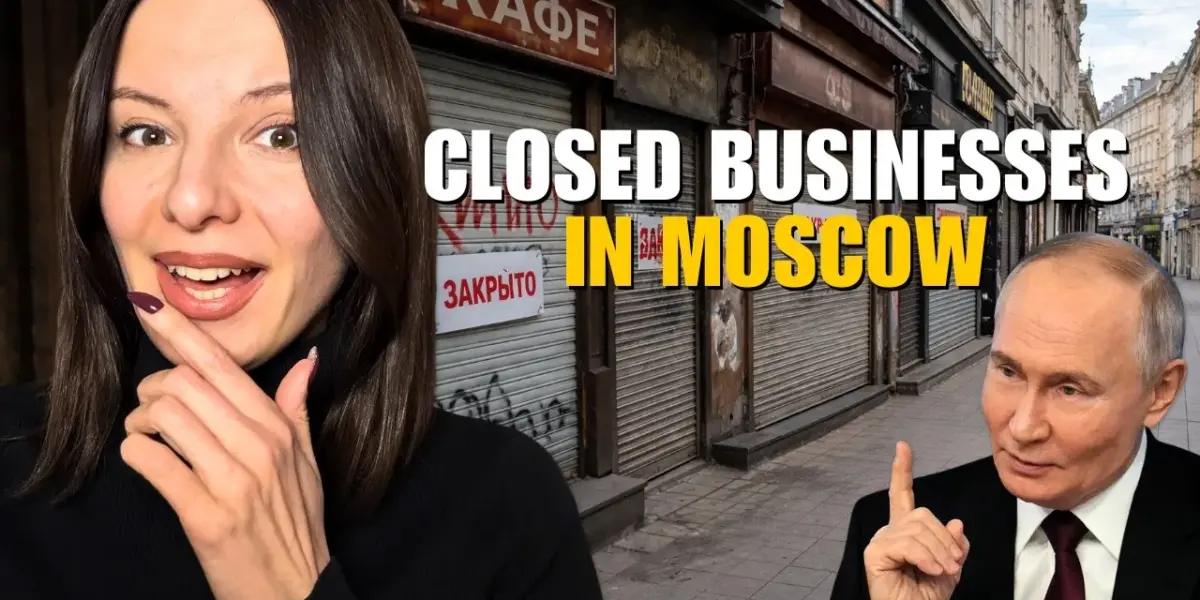
Moscow Faces Economic Fallout as Businesses Shut Down
The economic repercussions of Russia’s protracted war in Ukraine are becoming increasingly visible on the streets of major Russian cities, with a growing number of businesses, cafes, and shops announcing closures. Russian vloggers, previously focused on lifestyle and commerce, are now documenting this trend, posing a question that resonates widely: “Why is this happening?” The answer, according to observers, lies in the unsustainable financial strain placed on the nation’s federal and regional budgets by the ongoing military campaign.
Budgetary Strain Hits Capital
The mayor of Moscow, Sergey Sobyanin, has acknowledged the severity of the situation, signaling the need for significant austerity measures. Reports indicate a planned 15% reduction in civil servant positions within the capital’s administration. This move, coupled with cuts to investment programs, underscores the fiscal challenges facing even Russia’s wealthiest city. The year 2026 has reportedly begun with substantial deficits in regional budgets, impacting territories that historically benefited from oil and gas exports.
Rising Taxes and Rents Squeeze Small Businesses
A primary driver behind the business closures is the escalating tax burden. Small and medium-sized enterprises are struggling to cope with increased taxation, with reports suggesting that tax thresholds have been lowered, making it difficult for many to remain solvent. This has led to a wave of poignant video messages from business owners announcing shop and cafe closures, disheartening their followers and contributing to a pervasive sense of economic gloom.
Compounding the tax issue is the rising cost of commercial rent. Larger businesses attempting to offset their losses have resorted to price increases, which further erodes the purchasing power of consumers and puts significant pressure on Russia’s nascent middle class. The narrative is that the decision to engage in the “special military operation” in Ukraine, initially anticipated to be a swift endeavor, is now proving to be a far more costly and destructive undertaking for Russia itself.
Internet Restrictions Compound Economic Woes
The economic downturn is occurring against a backdrop of increasing internet restrictions, including reported shutdowns of platforms like Telegram. This information environment, combined with the visible decline in commercial activity, creates a deeply discouraging atmosphere for citizens.
Strategic Implications: A War of Attrition at Home
The closures and budget cuts represent a significant domestic consequence of the war, directly impacting the lives of ordinary Russians and potentially eroding support for the Kremlin. The need to reduce civil servant numbers, beyond merely tackling bureaucracy, highlights the government’s inability to sustain its administrative apparatus on current revenue streams. This is particularly notable as these workers have historically been utilized as a political resource for rallies and electoral support.
The strain on regional budgets, including Moscow’s deficit of billions of dollars, signals a diversion of resources from domestic development and public services to fund the military operation. This economic attrition at home could, in the long term, weaken the Kremlin’s capacity to sustain its war effort and maintain internal stability.
Historical Parallels to Economic Strain
While specific historical parallels are not detailed in the transcript, the phenomenon of economic strain leading to internal dissent is a recurring theme in history. Prolonged and costly military engagements have historically placed immense pressure on national economies, often leading to social unrest and political instability. The current situation in Russia, with its visible impact on businesses and public services, could follow a similar trajectory if the conflict continues to drain national resources.
Geopolitical Ripples: Global Instability
Beyond its domestic impact, the transcript suggests that Russia’s continued engagement in conflict contributes to global instability. The mention of Russian drones found in debris in Middle Eastern countries, linked to support for regimes like the Houthi, indicates that Russia, despite its economic challenges, continues to exert influence and sow chaos internationally. This suggests that the financial strain on Russia does not necessarily equate to a reduction in its global disruptive capabilities, at least in the short term.
Call for Support and Information Dissemination
The narrative emphasizes the interconnectedness of global issues and the crucial need for international support for Ukraine. The speaker highlights the ongoing need for resources, including advanced robotics, to aid Ukrainian soldiers and advocates for the dissemination of truthful information about the conflict. The call to action includes subscribing to channels, sharing videos, and engaging with newsletters to counter misinformation and foster understanding of the situation.
The situation in Russia, characterized by disappearing businesses and strained public finances, serves as a stark indicator of the war’s escalating costs, not only for Ukraine but for Russia itself. The long-term implications for the Kremlin’s regime and the broader geopolitical landscape remain a critical area of observation.
Source: MOSCOW BUSINESSES VANISH: RUSSIAN VLOGGERS IN SHOCK Vlog 1338: War in Ukraine (YouTube)

Related Articles
Ukraine Strikes Cripple Russian Oil Exports
Ukrainian drone strikes are crippling Russia's oil exports and damaging its economy, leading to falling domestic support for President Putin. The targeted attacks on refineries and terminals aim to cut off war funding and have significant geopolitical consequences.
Ukraine Strikes Russian Oil Hubs, Straining War Funding
Ukraine's repeated strikes on Russian oil export terminals are targeting the financial backbone of Moscow's war machine. These attacks aim to cripple Russia's revenue streams and force a costly defense of its energy infrastructure, creating significant economic and political pressure on the Kremlin.

Ukraine Strikes Cripple Russian Oil, Bankrupting Economy
Ukraine's strategic strikes on Russian oil infrastructure are severely impacting Moscow's war funding, leading to a widening federal deficit and financial strain. Economic pressures are mounting on businesses and individuals, with banking sector liquidity reaching critical levels. This economic weakening, combined with slowed territorial gains, suggests Russia's capacity to sustain the conflict is diminishing.