Ukraine Drone Strike Downs Russian Ka-27 Helicopter
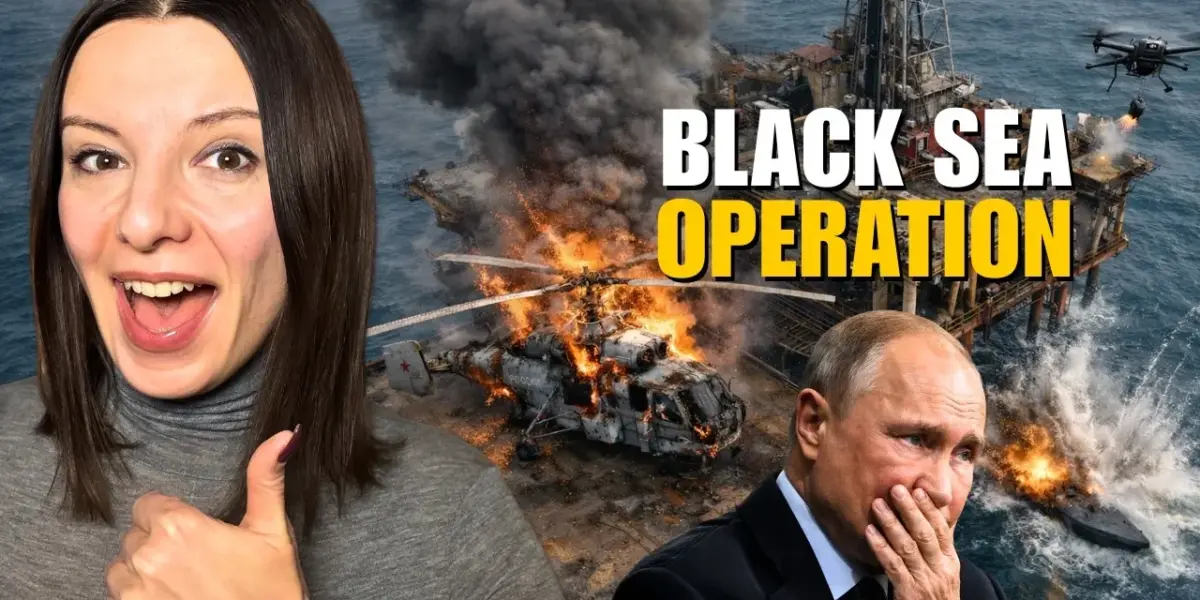
Ukrainian drone operators have successfully neutralized a Russian Ka-27 combat helicopter in the Black Sea, striking from an occupied drilling platform. This operation showcases Ukraine's advanced drone warfare capabilities and its growing influence in the contested maritime space.

Ukraine Achieves Black Sea Victory With Drone Strike on Russian Ka-27
In a significant demonstration of Ukraine’s evolving drone warfare capabilities, operators successfully targeted and neutralized a Russian Ka-27 combat helicopter in the Black Sea. The operation, conducted from a Russian-occupied drilling platform, highlights Ukraine’s growing expertise in asymmetric warfare and its ability to project power in contested maritime environments.
Strategic Platform Seized and Utilized
The mission focused on the Suvash drilling platform, one of several in the Black Sea that Russia attempted to occupy during its full-scale invasion. While many of these platforms have since been liberated by Ukrainian forces, Suvash had reportedly been repurposed by Russian troops for monitoring and as a base for residual air defense systems. Ukrainian forces observed Russian activities on the platform, identifying an opportune moment to strike.
Precision Strike Against Advanced Aircraft
The target was a multi-million dollar Ka-27 helicopter, a versatile naval rotorcraft used for anti-submarine warfare, search and rescue, and troop transport. Ukrainian operators utilized a drone, described as similar to an FPV (First Person View) drone, to engage the helicopter as it was reportedly en route. The transcript emphasizes the adaptability of these Ukrainian drones, which are continuously upgraded to meet mission requirements, environmental conditions, and operational needs.
“The destruction of such helicopter is always an important victory for the demilitarization of Russia. But the operation itself is extremely important and demonstrate the skills of the Ukrainian soldiers in the conditions of the 21st century war.”
Shifting Black Sea Dynamics
This incident underscores a significant shift in control over the Black Sea. At the outset of the full-scale invasion, Russia aimed to assert dominance in the region, leveraging its presence in Crimea. However, Ukraine has since demonstrated a capacity to challenge Russian naval and air assets. Russian forces have reportedly been pushed back towards ports like Novorossiysk, where Ukrainian marine drones have previously targeted oil terminals, warships, and air defense systems.
The Rise of Drone Warfare Expertise
The successful strike is presented not just as a tactical victory but as a testament to Ukraine’s development of advanced drone warfare techniques. The transcript suggests that Ukraine’s constant need for air defense and support has spurred innovation in developing cost-effective drone interceptors. This contrasts with the high cost of employing systems like Patriot missiles, making drone-on-drone or drone-on-aircraft engagement a more viable strategy in certain scenarios.
Strategic Implications
The incident highlights several key strategic developments:
- Asymmetric Warfare Prowess: Ukraine is proving adept at using low-cost, high-impact drone technology to counter more expensive and sophisticated Russian military hardware.
- Control of Maritime Space: The ability to strike targets like helicopters operating over the Black Sea indicates a growing Ukrainian capacity to influence and contest Russian activities in its maritime domain.
- Exportable Expertise: The transcript suggests that Ukraine’s hard-won drone operational skills are becoming a valuable asset, with potential interest from international partners, including NATO countries, for knowledge exchange.
- Technological Advancement: The continuous upgrading of Ukrainian drones points to a dynamic development cycle, adapting to battlefield realities and evolving threats.
Broader Geopolitical Context
The article frames the conflict within a larger geopolitical narrative, suggesting that Russia’s actions, including its support for regimes like Iran, are a root cause of global instability. The successful defense against Russian aggression and the development of indigenous military capabilities are presented as crucial for preventing wider conflicts. The narrative emphasizes Ukraine’s role as a bulwark against what it perceives as Russian-sponsored threats, including the proliferation of drone technology used by Iran.
Demilitarization as a Goal
The overarching objective articulated is the “demilitarization of Russia,” viewed as essential for global peace. The successful neutralization of the Ka-27 helicopter is seen as a step towards this broader strategic aim, reinforcing Ukraine’s position as a vital partner in confronting what it describes as a global threat emanating from the Kremlin.
Countering Disinformation
The transcript also touches upon the issue of disinformation, citing an instance where footage of Ukrainian drone operations was allegedly misrepresented as an American AI achievement. This underscores Ukraine’s efforts to assert its technological advancements and operational successes amidst a complex information warfare landscape.
Source: HUGE BLACK SEA KA-27 STRIKE: RUSSIA LOST CONTROL Vlog 1339: War in Ukraine (YouTube)

Related Articles

Ukraine Offers Air Defense Aid in Exchange for Weapons
Ukraine is offering its advanced air defense system knowledge to Middle Eastern countries in exchange for Western weapons like Patriot missiles. President Zelenskyy highlighted the region's vulnerability to drone and missile attacks and Ukraine's unique expertise in countering them. The move aims to secure vital military aid while sharing valuable defensive experience.


Kremlin Shakes: Elite Discontent Fuels Putin’s Paranoia
Internal turmoil and paranoia are reportedly gripping the Kremlin as President Putin faces growing elite discontent and the realities of the Ukraine war. Meanwhile, Russia's strategic involvement in the Iran conflict highlights complex calculations and potential risks, even as a wider global war remains unlikely.

Ukraine Strikes Russian Oil Refinery, Eyes Iran Threat
Ukrainian forces struck a key Russian oil refinery, disrupting Moscow's war capabilities. Meanwhile, Finland's president urged continued U.S. support for Ukraine, as Kyiv shares its air defense expertise globally amid growing geopolitical complexities involving Iran and potential sanctions against Hungary.