Trump’s Health Revelation Sparks Ethics Firestorm
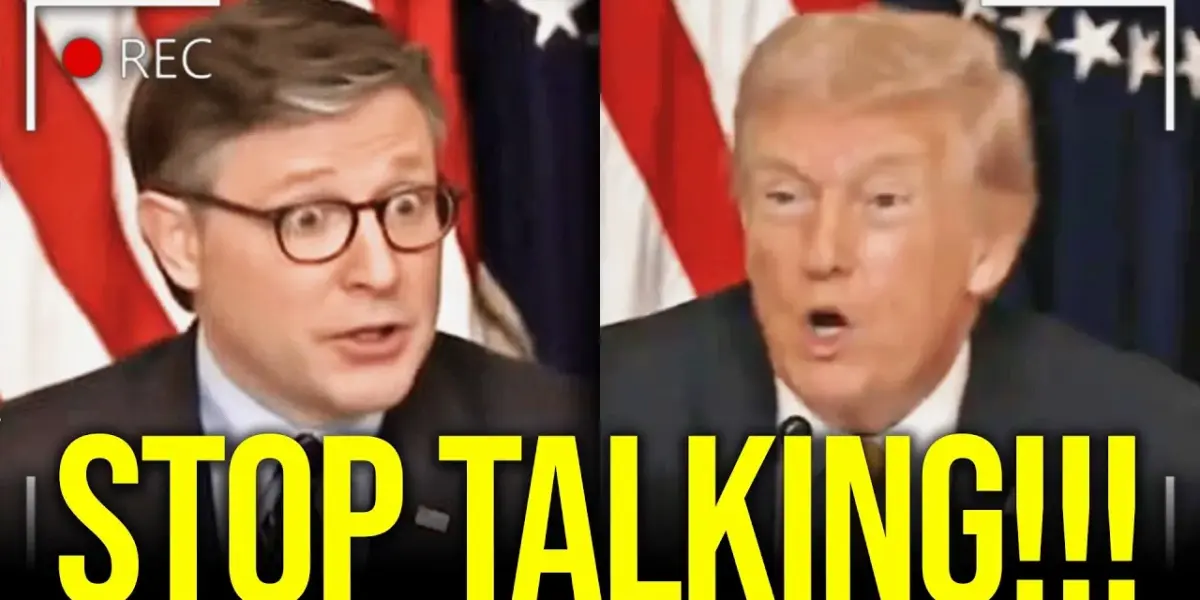
Donald Trump's public revelation of a congressman's terminal diagnosis during remarks to the Kennedy Center board has ignited an ethical debate. Speaker Mike Johnson's caution about the information not being public highlights concerns over privacy breaches by public figures.

Trump’s Health Revelation Sparks Ethics Firestorm
In a move that has sent ripples through political and ethical circles, former President Donald Trump recently disclosed a Republican congressman’s previously undisclosed terminal diagnosis during a public address. The incident, which occurred during remarks to the Kennedy Center board, not only brought the sensitive health information into the public domain but also elicited a concerned reaction from Speaker of the House Mike Johnson. Johnson’s reported warning that the information “wasn’t public” highlights a significant breach of privacy and raises serious questions about the discretion and ethical boundaries of public figures, particularly those in positions of immense power.
The Unveiling of Personal Health Information
The core of the controversy lies in the public disclosure of a deeply personal and sensitive medical condition belonging to a sitting congressman. While the identity of the congressman has not been explicitly stated in the provided context, the very act of revealing such information by a former President is a potent reminder of the inherent power dynamics at play. In an era where personal data is increasingly scrutinized and protected, the unauthorized dissemination of private health details by a prominent political figure is a particularly jarring event. This incident transcends partisan politics, touching upon fundamental principles of privacy and respect for individual autonomy.
Speaker Johnson’s Reaction and Its Implications
Speaker Mike Johnson’s immediate response – noting that the information “wasn’t public” – is a critical element of this narrative. This reaction suggests an awareness, at the highest levels of government, that Trump’s disclosure crossed a line. It implies a recognition that while the information may have been known to some, its public revelation was inappropriate and potentially damaging to the individual concerned. Johnson’s caution serves as an implicit critique of Trump’s actions and underscores the expectation of confidentiality surrounding personal health matters, even for public servants.
Historical Context and Precedents
The disclosure of personal health information by political figures is not entirely unprecedented, though the specific circumstances of this event are noteworthy. Throughout history, the health of leaders and prominent politicians has often been a subject of intense public interest and speculation. However, the deliberate and public revelation of a terminal diagnosis by a former president, particularly concerning a current member of Congress, presents a unique ethical challenge. Historically, such information, when revealed, was often done with the consent of the individual or their family, or under circumstances where it was deemed essential for public understanding of a leader’s capacity. Trump’s action, as described, appears to depart from these norms, raising questions about intent and the appropriateness of using such sensitive information in a public forum.
Ethical Considerations and Privacy Rights
The incident immediately brings to the forefront a complex interplay of ethical considerations. Firstly, there is the fundamental right to privacy regarding one’s health information. This right is recognized in many legal and ethical frameworks, aiming to protect individuals from discrimination, stigma, and unwanted public scrutiny. Secondly, there is the ethical responsibility of individuals, especially those in public life, to handle sensitive personal information with discretion and respect. The potential for misuse or exploitation of such information is significant, and public figures are often held to a higher standard of conduct in this regard.
The situation also raises questions about the nature of public discourse and the boundaries within which political commentary should operate. While political figures often engage in robust debate and criticism, the use of private health information as a point of discussion or, potentially, leverage, is a contentious area. It blurs the line between legitimate political commentary and invasive personal intrusion.
Why This Matters
This event matters because it underscores the ongoing tension between public interest and individual privacy, particularly within the political arena. The actions of high-profile individuals can set precedents and shape public expectations regarding the treatment of sensitive information. The disclosure, even if unintentional in its impact, highlights the vulnerability of personal health data and the potential for it to be weaponized or mishandled in the public sphere. Furthermore, it serves as a stark reminder that even in the age of constant information flow and social media, certain personal details remain sacrosanct and deserve protection. The reaction from Speaker Johnson suggests a recognition within the political establishment that maintaining ethical standards, even when dealing with information obtained through informal channels, is crucial for preserving trust and integrity.
Broader Implications and Future Outlook
The implications of this incident extend beyond the immediate individuals involved. It could lead to increased scrutiny of how political figures handle private information and potentially prompt discussions about strengthening privacy protections for elected officials and their families. In the long term, this event might contribute to a broader societal conversation about the ethical use of personal data in politics and the responsibilities that come with wielding influence. There is a risk that such disclosures, if normalized, could create a chilling effect, making individuals hesitant to enter public service or to seek necessary medical care for fear of their conditions becoming public fodder. Conversely, it might also galvanize efforts to ensure greater transparency and accountability in how sensitive information is managed within political circles.
The future outlook will likely depend on how this incident is addressed by political leaders, media outlets, and the public. Will it be treated as an isolated lapse in judgment, or will it catalyze a more significant re-evaluation of privacy norms in politics? The response from the involved parties, as well as any potential regulatory or ethical reviews, will be critical in shaping this trajectory. The ongoing debate about the balance between transparency and privacy in public life is likely to be intensified by this episode, prompting a closer examination of the ethical guardrails that should govern the dissemination of personal health information in the political domain.
Source: Trump Health Bombshell Makes MAGA Mike FREEZE UP (YouTube)

Related Articles

House Republicans Reject Senate Deal, Sparking Government Funding Clash
House Republicans have rejected a Senate bill to end the government shutdown, citing insufficient border security measures. Congressman Randy Fine called the Senate deal a "disgrace" and highlighted the ongoing fight for full government funding. President Trump's executive order to pay TSA agents offers temporary relief, but the core disagreement over border security continues to paralyze Washington.
Trump’s Name Everywhere: A ‘Stain’ on GOP Legacy?
Former President Donald Trump's efforts to brand national symbols, including a proposed signature on dollar bills, spark debate. Critics view this as an authoritarian attempt to embed his legacy, potentially staining the Republican Party's history and contrasting with democratic ideals of public ownership.

Trump’s War Talk Stuns Financial Crowd
Donald Trump's recent speech in Miami focused on his foreign policy, particularly his critical views on NATO and his vision for international relations. He declared the U.S. would no longer defend NATO allies, questioned the value of existing alliances, and suggested renaming the Strait of Hormuz. The speech also touched on his personal views of success, his allies, and his perceived role as a global peacemaker.