Trump Warns NATO: Pay Up or Face ‘Very Bad Future’
President Trump has warned NATO allies that their future with the alliance is at stake if they fail to contribute warships to secure the vital Strait of Hormuz. Experts weigh in on the implications for global security and transatlantic relations.

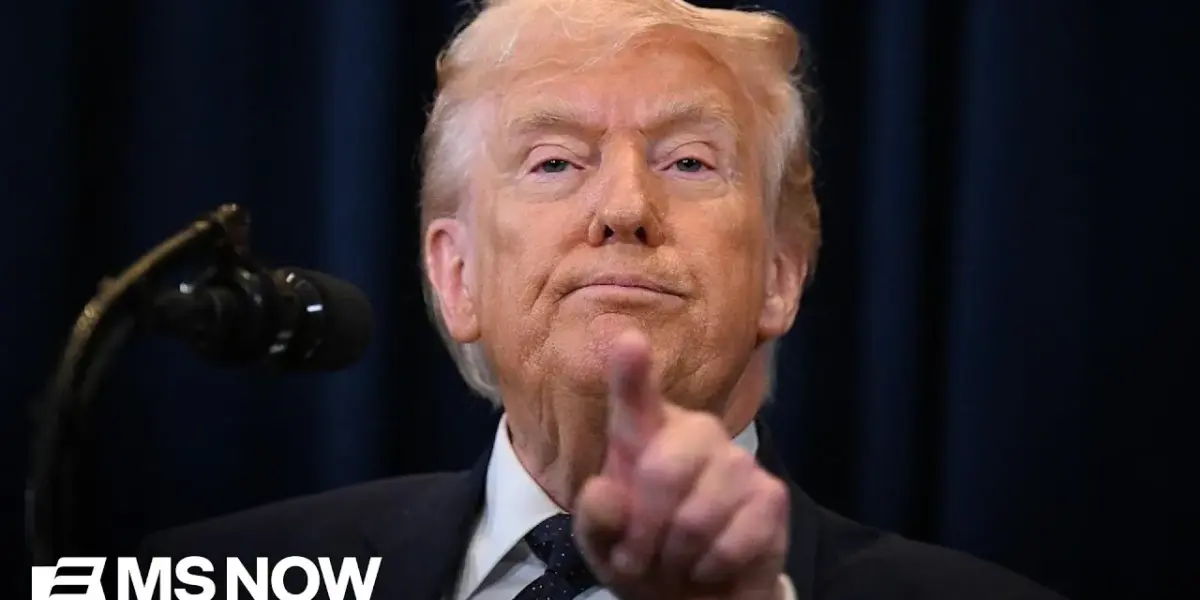
Trump Demands NATO Action on Strait of Hormuz
President Donald Trump has issued a stark warning to NATO allies, directly linking their future with the alliance to their willingness to contribute naval assets to secure the vital Strait of Hormuz. In comments that have sent ripples through international diplomatic circles, Trump stated that if NATO members do not send warships to assist in keeping the strategic waterway open, they will face a “very bad future.” The remarks, reported by MS NOW International Reporter Ines de La Cuetara from Jerusalem, underscore the Trump administration’s transactional approach to international security commitments and raise questions about the future cohesion of the transatlantic alliance.
Strait of Hormuz: A Critical Global Chokepoint
The Strait of Hormuz, a narrow waterway connecting the Persian Gulf to the open ocean, is one of the world’s most critical maritime chokepoints. Approximately 20-30% of the world’s oil, including a significant portion of global liquefied natural gas (LNG) shipments, passes through this strategic passage daily. Its closure or disruption, often threatened by regional adversaries like Iran, would have immediate and severe repercussions on the global economy, leading to potential energy shortages and price spikes.
The United States has historically played a leading role in ensuring freedom of navigation through the strait, often in coordination with international partners. However, President Trump’s recent statements suggest a desire for a more direct and financially beneficial contribution from NATO allies, shifting away from the traditional U.S. security umbrella without tangible reciprocal action.
Analysis from Experts
Providing expert analysis on the situation, New York Times Chief White House Correspondent Peter Baker and retired U.S. Army Colonel and Medal of Honor recipient Jack Jacobs joined Chris Jansing on MS NOW to dissect the implications of Trump’s ultimatum.
Peter Baker on Diplomatic Strategy
“This is classic Trump. He’s leveraging a security issue to extract what he sees as a fairer contribution from allies. The question is whether this approach strengthens or weakens alliances in the long run.”
Baker elaborated on the administration’s “America First” foreign policy, which often frames international relationships in terms of direct benefits and costs to the United States. He highlighted that while Trump’s rhetoric can be confrontational, it often serves to galvanize action, albeit through pressure. The challenge, Baker noted, lies in balancing this assertive stance with the need to maintain strong, reliable partnerships, particularly within an alliance like NATO, which is built on mutual defense and shared security interests.
Jack Jacobs on Military Necessity and Burden Sharing
“The Strait of Hormuz is a global commons. Its security is not just an American concern, but a global one. Allies have a vested interest in ensuring its openness, and the U.S. has been carrying a disproportionate burden for a long time. The debate is about how that burden is shared, not if it should be shared.”
Colonel Jacobs provided a military perspective, emphasizing the strategic importance of the strait and the necessity of a multinational effort to ensure its security. He acknowledged the administration’s push for greater burden-sharing among allies, a long-standing issue in NATO, but cautioned against language that could be perceived as undermining the alliance itself. Jacobs stressed that while allies should contribute more, the effectiveness of such contributions hinges on coordinated strategies and unified political will, rather than unilateral demands.
Broader Implications for NATO and Global Security
President Trump’s remarks come at a time when NATO is already grappling with internal divisions and evolving security challenges. The alliance is seeking to adapt to new threats, including cyber warfare and the resurgence of great power competition, while also addressing the concerns of member states regarding regional instability in Eastern Europe and the Middle East.
The call for specific military contributions to secure the Strait of Hormuz, while a legitimate concern regarding maritime security and global trade, could be seen as an attempt to reorient NATO’s focus and resources towards U.S. priorities in the Persian Gulf. This raises questions about whether NATO should be expanding its operational scope beyond its traditional geographical area and collective defense mandate, or if such demands could inadvertently weaken the alliance by creating new points of contention among its members.
Furthermore, the transactional nature of Trump’s diplomacy could encourage other allies to adopt similar approaches, potentially leading to a more fragmented and less predictable international security landscape. The long-term viability of alliances like NATO often depends on a shared commitment to common values and collective security, rather than on a quid pro quo for specific security guarantees.
What’s Next?
The coming weeks will likely see further diplomatic maneuvering and potential responses from NATO member states. The extent to which allies are willing and able to commit naval assets to the Strait of Hormuz, and how this aligns with their own national security priorities and existing commitments, will be closely watched. The outcome of this pressure campaign could significantly shape the future of NATO’s operational effectiveness and its relationship with the United States, potentially setting a precedent for future alliance dynamics and burden-sharing negotiations.
Source: Trump threatens NATO allies to help keep Strait of Hormuz open (YouTube)

Related Articles
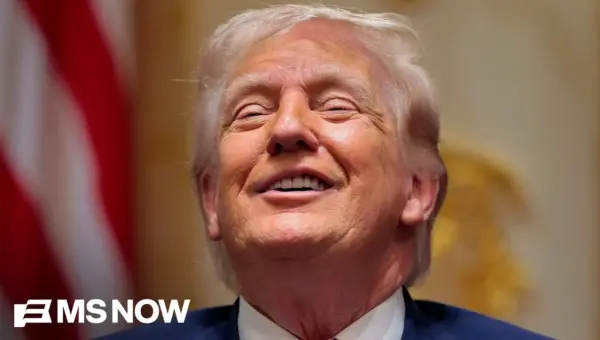
Trump’s Name Everywhere: A ‘Stain’ on GOP Legacy?
Former President Donald Trump's efforts to brand national symbols, including a proposed signature on dollar bills, spark debate. Critics view this as an authoritarian attempt to embed his legacy, potentially staining the Republican Party's history and contrasting with democratic ideals of public ownership.

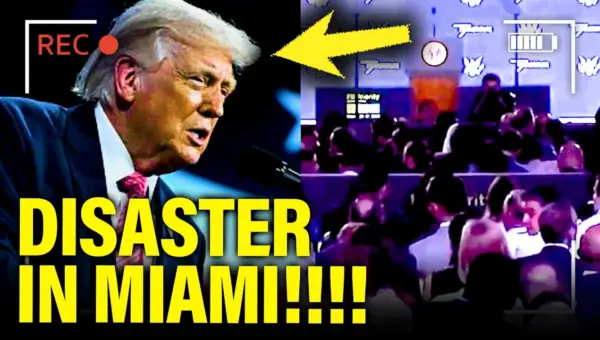
Trump’s War Talk Stuns Financial Crowd
Donald Trump's recent speech in Miami focused on his foreign policy, particularly his critical views on NATO and his vision for international relations. He declared the U.S. would no longer defend NATO allies, questioned the value of existing alliances, and suggested renaming the Strait of Hormuz. The speech also touched on his personal views of success, his allies, and his perceived role as a global peacemaker.
Trump’s Warpath: New Threats Signal Imperial Ambitions
Recent statements from Donald Trump reveal a potential embrace of increased military action and interventionist foreign policy. This approach, characterized by critics as "imperialism 2.0," contrasts with his past promises of peace and has even drawn criticism from parts of his own base. The implications for U.S. global engagement and domestic priorities are significant.