TSA Agents Work Unpaid: Airlines Plead for Shutdown End
TSA agents are working without pay amid the partial government shutdown, leading to airport disruptions and pleas from airlines to Congress. Many agents face severe financial hardship, with some considering or pursuing gig work. President Trump's message to 'go to work' has drawn criticism amid these realities.

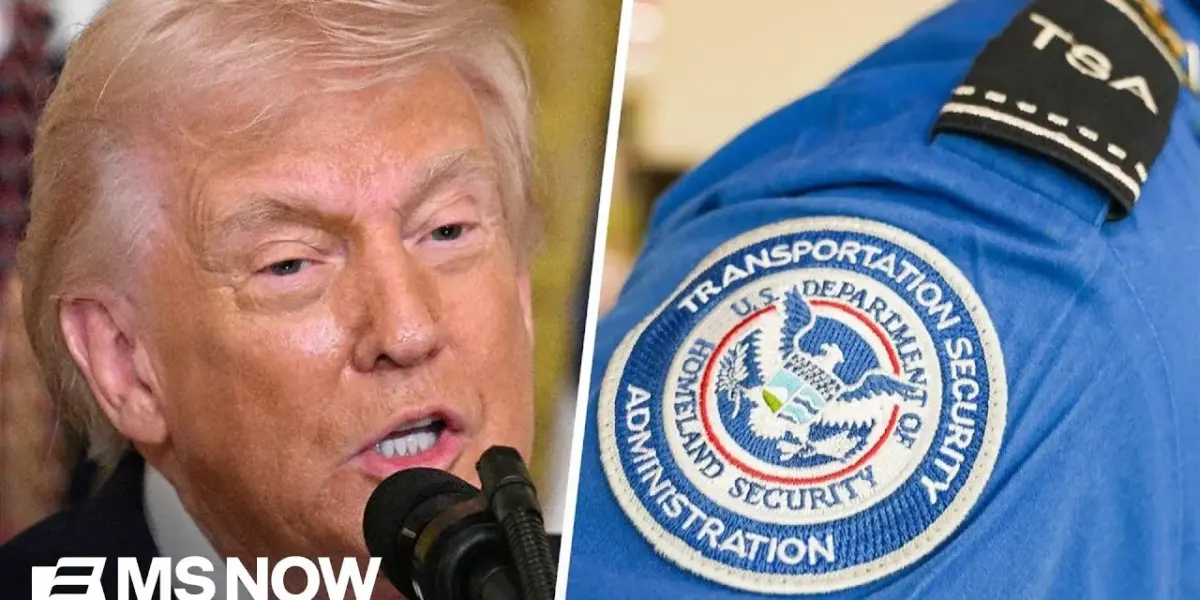
TSA Agents Face Financial Hardship Amid Government Shutdown
Tens of thousands of Transportation Security Administration (TSA) agents are working without pay as the partial government shutdown continues, prompting pleas from airline executives to Congress to resolve the impasse. Approximately 50,000 TSA agents are currently affected, leading to significant disruptions at airports nationwide. The ongoing shutdown has resulted in some agents calling out sick, contributing to exceptionally long security lines that have stretched outside airport terminals in cities like Fort Lauderdale and Austin.
The financial strain on these essential workers is considerable. Many TSA agents, like numerous Americans, live paycheck to paycheck, making the missed salary a critical issue. “Missing a paycheck is a huge deal,” one affected individual noted, expressing a sentiment echoed by many who feel they should be compensated for their labor. The situation has led to difficult choices for agents, with some considering or already pursuing gig economy work, such as driving for Uber or Grubhub, to cover essential expenses like rent and mortgages.
President Trump’s Message and Expert Analysis
President Donald Trump has urged unpaid TSA agents to “keep fighting for the USA” and to “go to work.” However, this message has drawn criticism from experts who highlight the precarious financial reality faced by these employees. Henrietta Trace, co-founder and director of economic policy at VEDA Partners, pointed to a recent ADP study indicating that 64% of Americans live paycheck to paycheck, underscoring the widespread vulnerability to missed income.
Clint Henderson, managing editor of news for The Points Guy, elaborated on the escalating problems caused by the shutdown. “Every day that it goes on, it’s going to get worse because you’re going to get more and more sick calls,” Henderson stated. He also noted that some agents are reportedly quitting their jobs altogether, a trend that could have long-term consequences for recruitment and retention within the TSA. The combination of increased sick calls, potential resignations, and the inherent difficulty of the job could lead to a persistent decline in service quality and efficiency.
The Risk of Quitting and Gig Work
The pressure to find alternative income sources is immense. “If you’re going without a paycheck, eventually you’re going to have to do something like get another job or even do Uber or Grubhub or something to get through the weeks,” Henderson observed. This shift to gig work raises further concerns about the TSA agents’ focus and ability to perform their security duties effectively after demanding hours in other jobs.
Furthermore, the transcript indicated that around 300 TSA employees have already resigned rather than endure the prolonged shutdown. This exodus highlights the severity of the financial predicament and the lack of confidence in a swift resolution. Trace commented on the situation, suggesting that the President’s focus on other legislative priorities, such as election-related bills and social issues, instead of addressing the TSA’s pay, is a significant factor.
Broader Economic Impacts and Airline Industry Concerns
The partial government shutdown’s impact extends beyond the TSA, affecting the broader travel and tourism industries. Rising oil prices are contributing to increased costs across the board, not just for jet fuel but also for ground transportation and hospitality services, fueling inflation. Deutsche Bank research suggests that ticket prices could rise by 10% to 50% in some cases due to these escalating expenses.
Airline CEOs have expressed frustration, feeling like “political footballs” caught in the crossfire of the shutdown debate. The uncertainty surrounding the shutdown’s duration complicates travel planning and business operations for airlines. The Points Guy is advising travelers to book tickets as soon as possible, even for future travel, to potentially lock in current prices and take advantage of any future price drops through credits.
Political Gridlock and Uncertain Resolution
The political landscape offers little immediate relief. Despite the mounting pressure from the airline industry and the financial hardship faced by TSA agents, a resolution appears distant. Trace noted that even during a recent week on Capitol Hill, there was no clear indication of a deal being reached before the upcoming spring recess. The Republican leadership in the Senate has signaled an intention to focus on other legislative matters before adjourning, suggesting that the shutdown could continue unabated for the foreseeable future.
The situation underscores a broader challenge in Washington: the difficulty of prioritizing essential services and worker compensation amidst partisan disagreements. The airline industry’s reliance on a functioning government for airport security and air traffic control highlights the interconnectedness of various sectors and the far-reaching consequences of federal shutdowns.
Looking Ahead
As the shutdown drags on, the strain on TSA agents and the travel industry is expected to intensify. The potential for further sick calls, resignations, and disruptions at airports looms large, especially with the upcoming spring break travel season. All eyes remain on Washington for any signs of bipartisan cooperation that could lead to a swift resolution and restore pay to the thousands of federal employees working on the front lines.
Source: Trump tells unpaid TSA agents to 'GO TO WORK' amid partial shutdown (YouTube)

Related Articles
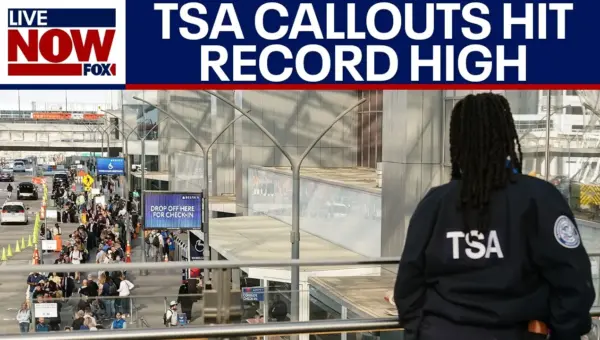
TSA Workers Get Paid After Record Absences
TSA agents will finally receive paychecks after working nearly six weeks without salary, following a directive from President Trump. Record high absences had strained airport operations and caused significant passenger delays. The situation has sparked calls for better protections for essential workers during government shutdowns.
House Republicans Reject Senate Deal, Sparking Government Funding Clash
House Republicans have rejected a Senate bill to end the government shutdown, citing insufficient border security measures. Congressman Randy Fine called the Senate deal a "disgrace" and highlighted the ongoing fight for full government funding. President Trump's executive order to pay TSA agents offers temporary relief, but the core disagreement over border security continues to paralyze Washington.

Voter ID: Common Sense or Suppression?
A growing debate surrounds voter ID laws, with proponents calling them a common-sense measure against fraud and opponents fearing voter suppression. Many countries and U.S. states already require ID to vote.