Iran’s Shadow Over Markets: Geopolitical Risks Mount
Escalating geopolitical tensions surrounding Iran's alleged sponsorship of terrorism and nuclear ambitions are creating significant market risks. Investors face potential volatility in energy prices, increased defense spending, and heightened global uncertainty.

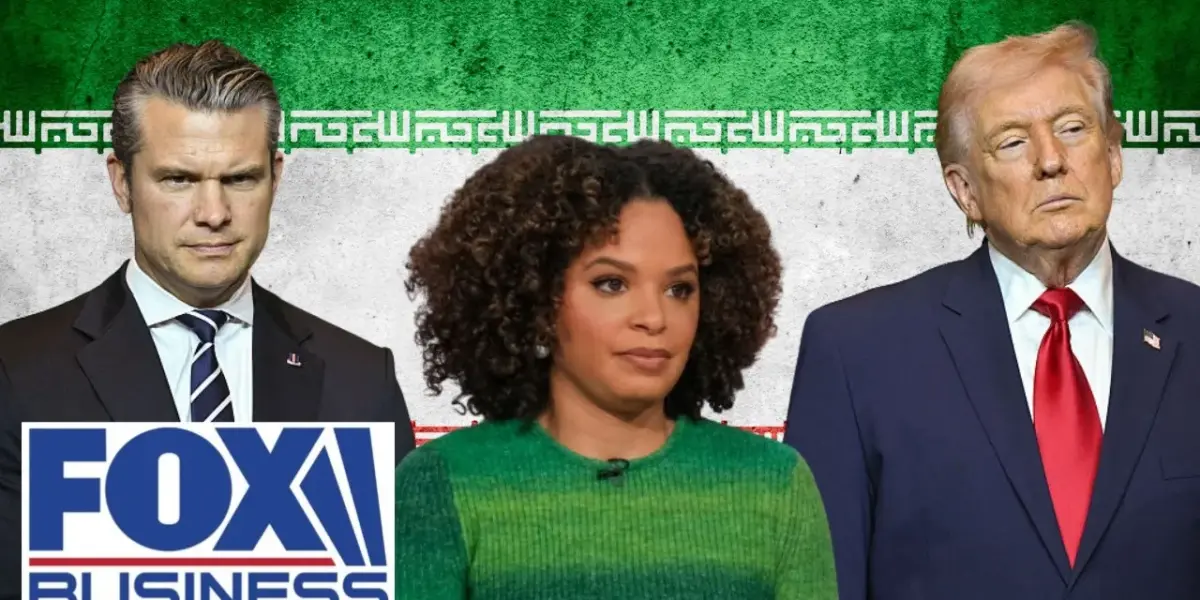
Iran’s Shadow Over Markets: Geopolitical Risks Mount
Tensions surrounding Iran’s geopolitical posture and its alleged sponsorship of terrorism are casting a long shadow over global markets, raising concerns among investors about escalating regional instability and its potential economic fallout. The nation’s actions, including its funding of militant groups like Hamas and Hezbollah, and its historical animosity towards the United States, including the deaths of over 1,000 U.S. military personnel, continue to be a focal point of international scrutiny and a significant risk factor for market participants.
Allegations of State-Sponsored Terrorism and Human Rights Abuses
Recent discourse has highlighted severe accusations against Iran, with critics labeling its regime as “savages” due to its alleged violent suppression of its own population, resulting in the deaths of an estimated 30,000 citizens. Furthermore, allegations persist that Iran has channeled substantial funds, described as “millions and millions of dollars,” to organizations such as Hamas, which have been implicated in acts of violence against Jewish people, particularly in the context of post-Holocaust history. This alleged support for militant groups and its role as the “number one sponsor of state terror” through proxies like Hezbollah and the Houthi rebels, underscore the complex and volatile nature of Iran’s foreign policy.
Nuclear Ambitions and Regional Adversary Status
Beyond its alleged support for terrorism, Iran’s persistent pursuit of nuclear capabilities remains a significant concern for global powers and financial markets. The specter of Iran acquiring nuclear weapons introduces a profound destabilizing element to an already volatile region, with potential implications for energy supply chains and international security. Its long-standing adversarial relationship with the United States, marked by historical conflicts and the deaths of American military personnel through improvised explosive devices (IEDs), further exacerbates the geopolitical risk profile associated with the nation.
Climate Change as a Distraction?
Intriguingly, some commentary has pointed to an alleged attempt by Iranian state media to attribute the current geopolitical tensions or domestic issues to climate change. This narrative framing is viewed by some as a deflection from the regime’s internal policies and its international conduct, particularly in light of the severe human rights abuses and its role in regional conflicts.
Market Impact
The ongoing geopolitical tensions involving Iran introduce several key risks for investors:
- Energy Price Volatility: The Middle East is a critical hub for global oil production. Any escalation of conflict or disruption to supply routes, such as the Strait of Hormuz, could lead to significant spikes in crude oil prices, impacting inflation and corporate earnings across various sectors.
- Increased Defense Spending: Heightened geopolitical instability often prompts governments to increase defense budgets. This could benefit defense contractors but may also divert public funds from other economic stimulus measures.
- Investor Uncertainty and Risk Aversion: Geopolitical crises typically foster uncertainty, leading investors to seek safer assets and reduce exposure to riskier markets. This can result in broad market sell-offs and decreased investment in emerging markets or sectors perceived as vulnerable to conflict.
- Supply Chain Disruptions: Beyond energy, global supply chains can be indirectly affected through increased shipping costs, insurance premiums, and potential disruptions to trade routes, impacting businesses reliant on international commerce.
What Investors Should Know
Investors monitoring the situation in Iran and the broader Middle East should remain vigilant. The potential for miscalculation or escalation remains high, and the economic consequences could be far-reaching. Key considerations include:
- Diversification: Maintaining a diversified portfolio across different asset classes, sectors, and geographies can help mitigate risks associated with specific regional conflicts.
- Monitoring Energy Markets: Closely tracking oil and gas prices, as well as geopolitical developments affecting major energy-producing nations, is crucial for understanding potential inflationary pressures and sector-specific impacts.
- Geopolitical Risk Analysis: Incorporating geopolitical risk assessments into investment strategies can help identify potential threats and opportunities arising from international relations.
While the immediate focus may be on the rhetoric and allegations, the long-term implications for global economic stability and market performance hinge on the trajectory of Iran’s nuclear ambitions, its regional influence, and the international community’s response. Investors must be prepared for continued volatility as these complex geopolitical dynamics unfold.
Source: 'TRULY ASTOUNDING': Concha CALLS OUT MS Now host over Iran war messaging (YouTube)

Related Articles

Stocks Ignore War Risks, Focus on “Taco Moments”
Stock markets appear to be overlooking the severe supply chain risks stemming from the Iran conflict, focusing instead on potential diplomatic de-escalations. While the S&P 500 shows resilience, bond and commodity markets signal deep concern over disruptions to critical resources like LNG, helium, and fertilizers.

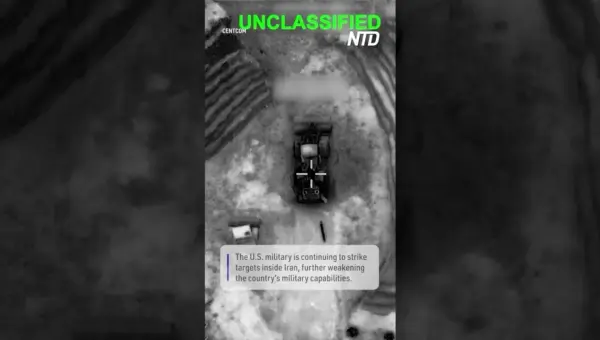
US Strikes Cripple Iran’s Military Might, CENTCOM Reports
U.S. Central Command reports ongoing strikes inside Iran are significantly weakening its military power. This direct action aims to reshape regional security dynamics, but carries risks of escalation. The long-term impact depends on Iran's response and ability to adapt.

U.S. Iran Tensions Rise Amid Shifting Alliances
Rising tensions between the U.S. and Iran are creating a volatile geopolitical situation. With conflicting signals on de-escalation and potential shifts in alliances like NATO and U.S.-Israel relations, the path forward remains uncertain. The global economy and regional stability hang in the balance.