Trump’s Hormuz Gambit Falters Amid Global Rejection
Donald Trump's initiative to secure the Strait of Hormuz has been met with widespread rejection from key allies, exposing diplomatic fissures and raising questions about U.S. leadership. The move highlights a growing skepticism towards unilateral action and a preference for diplomacy among nations.

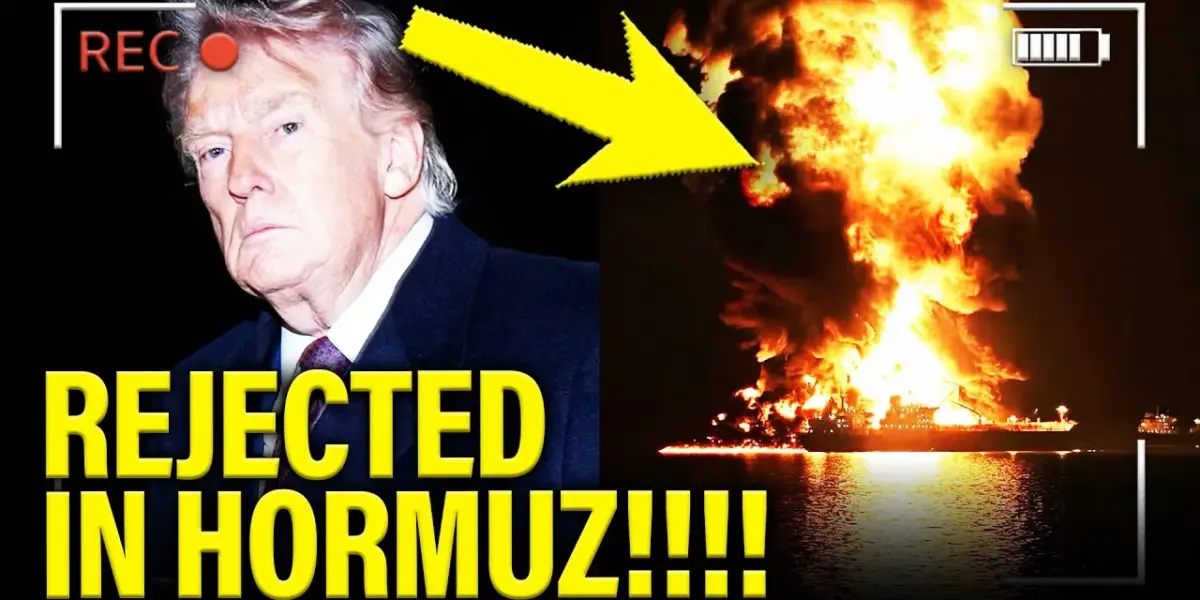
Trump’s Hormuz Gambit Falters Amid Global Rejection
In a move that has drawn sharp international criticism and exposed significant diplomatic fissures, former President Donald Trump’s recent push for a multinational operation to secure the Strait of Hormuz has been met with widespread rejection from key allies. This initiative, framed as a response to alleged threats from Iran, appears to have backfired, leaving the U.S. isolated and its allies questioning the strategy and its execution.
Allies Shun Trump’s Call for Action
Reports indicate that countries previously considered allies, including the United Kingdom and Germany, have declined to participate in the proposed Hormuz operation. Germany has specifically questioned whether a formal request was even made, while the UK has stated it does not believe the U.S. has a coherent plan. This collective hesitancy underscores a growing distrust in American leadership and a reluctance to be drawn into what is perceived as a Trump-initiated conflict without clear objectives or broad international consensus.
Former President Trump himself has publicly projected an image of confidence, posting memes and statements like “No panicans, peace through strength.” However, critics argue that this rhetoric, coupled with the international rebuffs, points to a deeper sense of panic and a desperate search for support. The strategy of engaging in a potential conflict and then soliciting assistance, rather than building a coalition beforehand, has been widely criticized as unconventional and counterproductive.
NATO’s Future Under Scrutiny
The situation has also brought into sharp focus the future of NATO. Trump has explicitly warned that the alliance faces a “very bad future” if allies do not support the U.S. in the Hormuz initiative. This statement, made in the context of seeking help, highlights a transactional approach to alliances that many find destabilizing. The UK’s Prime Minister, Keir Starmer, has been quoted as saying that securing the Strait of Hormuz is not a simple task and will likely require a negotiated agreement with Iran, emphasizing that it will not be a NATO mission.
This stance from European allies suggests a desire for diplomatic solutions and a cautious approach to escalating tensions in the Middle East. The perceived unreliability of the U.S. under the Trump administration has led some nations, like France and Italy, to pursue bilateral negotiations with Iran, seeking more direct and dependable guarantees.
Propaganda and Diplomatic Fallout
The diplomatic fallout from this situation is significant. Iran’s Foreign Minister has suggested that the U.S. has already learned a lesson and that Iran is not seeking a ceasefire but rather an end to hostilities that ensures such attacks are not repeated. Meanwhile, the narrative presented by U.S. officials, such as former White House advisor Caroline Levit, attempts to frame the situation as allies benefiting from U.S. actions against a “rogue Iranian regime.” Levit argued that European allies, in particular, benefit from the U.S. military’s efforts to counter Iran’s ballistic missile capabilities and prevent it from obtaining nuclear weapons.
However, the inconsistency in messaging from the Trump administration has been a recurring theme. Reports suggest that Trump had previously told the UK they were not needed in the Strait of Hormuz, only to later call for their assistance. This apparent contradiction, coupled with Trump’s history of criticizing NATO allies, has eroded trust and made securing international cooperation a formidable challenge.
The situation has also provided fodder for propaganda, with critics suggesting that Iran is effectively mocking the U.S. president as weak and pathetic due to the perceived lack of international support. This narrative, if widely accepted, could embolden adversaries and undermine American influence on the global stage.
Economic and Geopolitical Ripples
The implications extend beyond military and diplomatic spheres. Treasury Secretary Scott Bessant, in a seemingly contradictory statement, suggested that the conflict is only two weeks old and not a crisis, asserting that markets are well-anchored and that the world will be safer and better supplied on the other side. However, the disruption of key shipping lanes like the Strait of Hormuz has tangible economic consequences, potentially affecting global energy supplies and contributing to inflation.
Furthermore, the report highlights other geopolitical developments, such as India engaging in direct negotiations with Iran, yielding positive results. This contrasts with the U.S. administration’s efforts to potentially strain relations with India over other matters, suggesting a fragmented approach to foreign policy. The report also touches upon the detention and death of a former Afghan special forces soldier in U.S. ICE custody, raising humanitarian concerns and questions about U.S. immigration policies, particularly in the context of ongoing international conflicts.
Historical Context and Future Outlook
The events surrounding the Strait of Hormuz recall previous instances of U.S. unilateralism and the challenges of maintaining international coalitions. Historically, securing vital shipping lanes has often involved broad-based international cooperation. The current situation, however, appears to be characterized by a lack of such consensus, forcing the U.S. to navigate a complex geopolitical landscape with diminished support.
The future outlook suggests a continued strain on U.S. alliances if a more collaborative and predictable foreign policy approach is not adopted. The rejection of Trump’s Hormuz plan underscores the importance of diplomacy, coalition-building, and consistent engagement with allies. The ability of the U.S. to effectively address regional and global security challenges will likely depend on its capacity to restore trust and demonstrate a commitment to shared interests and multilateral solutions.
Why This Matters
The rejection of Donald Trump’s Hormuz plan is a significant indicator of shifting global dynamics and the challenges facing American foreign policy. It highlights a growing skepticism towards unilateral military action and a preference among key allies for diplomatic engagement and de-escalation. The incident exposes the fragility of international alliances when leadership is perceived as inconsistent or overly transactional. The inability to rally support for a critical security initiative in a vital global waterway could have far-reaching implications for regional stability, global trade, and the future of international security cooperation. It also raises questions about the effectiveness of U.S. leadership in a multipolar world and the long-term consequences of alienating traditional allies.
Source: Trump PANICS as HORMUZ PLAN REJECTED!! (YouTube)

Related Articles


Israel Escalates Iran Strikes, Warns of Wider War
Israel has launched significant strikes inside Iran following continued missile fire, warning of further escalation. The conflict risks wider regional instability and economic disruption, especially concerning the Strait of Hormuz.

Rubio Puts US First at G7 Summit, Sparks Debate
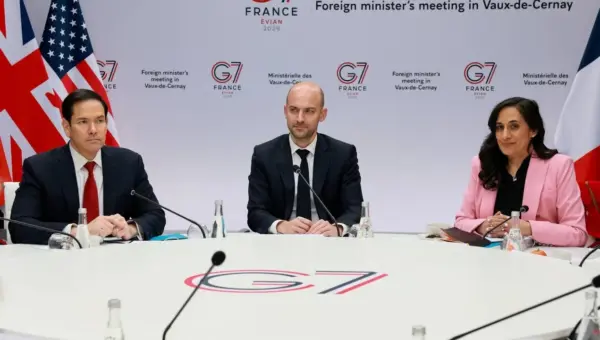
Secretary of State Marco Rubio attended the G7 summit in France, emphasizing his commitment to serving the American people above all else. The meeting addressed the war in Iran and Russia's role, revealing differing approaches among allies on regional security and the Strait of Hormuz.

Trump’s Name Everywhere: A ‘Stain’ on GOP Legacy?
Former President Donald Trump's efforts to brand national symbols, including a proposed signature on dollar bills, spark debate. Critics view this as an authoritarian attempt to embed his legacy, potentially staining the Republican Party's history and contrasting with democratic ideals of public ownership.