Wealthy Drive Value: Top Brands for Savvy Investors
Financial experts Brian Preston and Bo Hanson reveal which car brands align with smart wealth-building strategies. They highlight Toyota and Honda for their reliability and value retention, while cautioning against luxury and performance vehicles that can significantly impact finances.

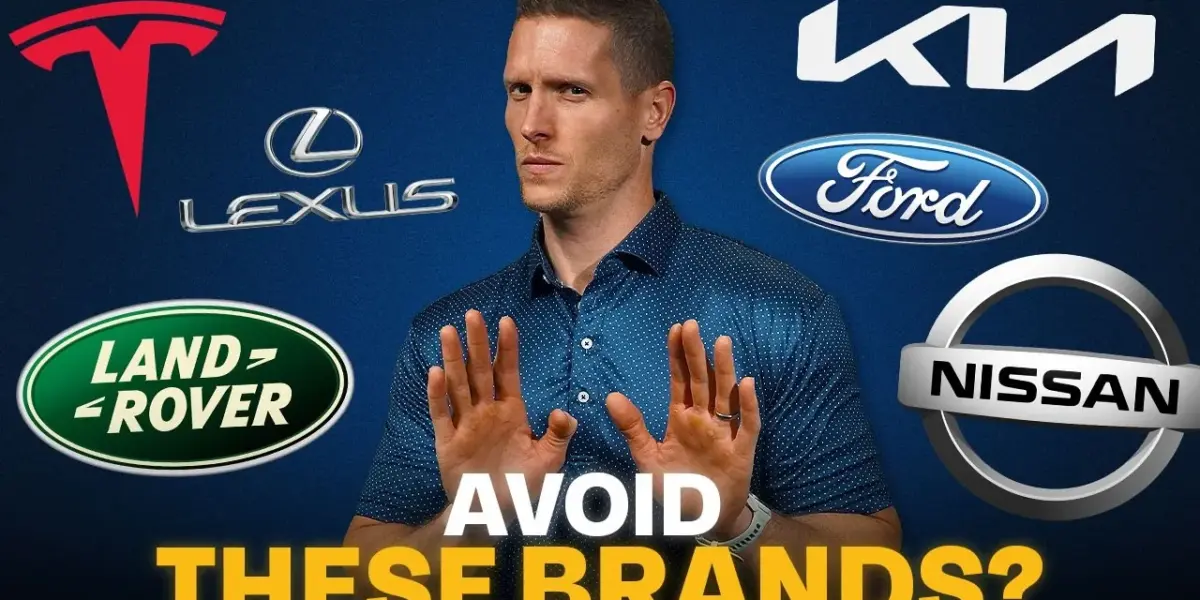
Wealthy Drive Value: Top Brands for Savvy Investors
For individuals building substantial wealth, the choice of automobile often reflects a deeper financial philosophy. Certified Financial Advisors Brian Preston (CFP®, CPA) and Bo Hanson (CFA, CFP®) recently discussed which automotive brands align with a prudent financial strategy and which to avoid, offering a unique perspective on how consumer choices can mirror investment principles.
The “Financial Mutant” Approach to Cars
The term “Financial Mutant,” as coined by Preston and Hanson, refers to individuals who have achieved significant financial success through disciplined saving, smart investing, and a focus on long-term wealth accumulation. These individuals often exhibit a particular mindset when it comes to major purchases, including vehicles. Their choices are less about conspicuous consumption and more about value, reliability, and long-term cost of ownership.
According to the Money Guy duo, the ideal vehicle for a financially astute individual is one that depreciates slowly, offers excellent reliability, and has a reasonable cost of ownership. This means avoiding brands known for rapid depreciation, high maintenance costs, or those perceived as status symbols that don’t offer commensurate long-term value.
Top Automotive Brands for Wealth Builders
Preston and Hanson highlighted several automotive brands that generally meet the criteria for “Financial Mutants.” These brands often represent a sweet spot between quality, durability, and value retention.
- Toyota: Consistently praised for its reliability and strong resale value, Toyota vehicles are a staple for those prioritizing practicality and long-term cost savings. Models like the Camry and Highlander are often cited for their durability and lower maintenance costs over their lifespan.
- Honda: Similar to Toyota, Honda has built a reputation for producing reliable and fuel-efficient vehicles with excellent longevity. The Civic and CR-V are popular choices that tend to hold their value well.
- Subaru: Known for its all-wheel-drive capability and robust build, Subaru offers a compelling option for those seeking durability and safety, often with a reasonable cost of ownership.
These brands typically excel in areas critical to a sound financial decision:
- Depreciation: While all cars depreciate, these brands tend to have a slower depreciation curve compared to luxury or performance-oriented vehicles. This means the car retains a larger percentage of its original value over time, a crucial factor when it comes to resale or trade-in.
- Reliability: Lower repair costs and fewer unexpected breakdowns translate directly into savings. Brands with a proven track record for reliability minimize the financial burden associated with unexpected maintenance.
- Cost of Ownership: This encompasses fuel efficiency, insurance costs, and maintenance expenses. Brands favored by financial experts often strike a balance that keeps these ongoing costs manageable.
Brands to Approach with Caution
Conversely, Preston and Hanson advised caution regarding certain automotive brands, particularly those associated with luxury, high performance, or rapid depreciation.
- Luxury Brands (e.g., BMW, Mercedes-Benz, Audi): While offering premium features and performance, these vehicles typically come with a significantly higher purchase price, more expensive maintenance and repairs, and faster depreciation. The cost of ownership can quickly erode the financial gains made elsewhere.
- Performance-Oriented Brands (e.g., Porsche, Ferrari): These vehicles are often passion purchases rather than sound financial decisions. Their high initial cost, extensive maintenance requirements, and specialized parts make them a significant financial drain.
- Brands with Historically Poor Reliability: Certain brands have a documented history of reliability issues. Investing in such vehicles can lead to substantial and frequent repair bills, negating any perceived initial savings.
The core principle here is that a car is typically a depreciating asset. While some vehicles might appreciate in value (classic cars, rare collectibles), the vast majority lose value the moment they are driven off the lot. Financially savvy individuals aim to minimize this loss or at least ensure the asset’s utility and reliability justify its cost.
Market Impact and Investor Considerations
The advice from Preston and Hanson underscores a fundamental principle in personal finance and investing: understanding asset classes and their associated costs. A car, like most personal property, is not an investment in the traditional sense that generates income or appreciates significantly in value. Instead, it’s a tool for transportation that incurs costs.
What Investors Should Know:
- Depreciating Assets: Recognize that most vehicles are depreciating assets. The goal is to acquire them in a way that minimizes the financial impact over time. This means considering total cost of ownership, not just the sticker price.
- Opportunity Cost: The money spent on a depreciating asset, especially one with high ownership costs, could otherwise be invested and generate returns. A “cheaper” car in terms of purchase price and ownership costs frees up capital for wealth-building investments.
- Long-Term Perspective: Just as investors focus on long-term market trends and compound growth, “Financial Mutants” apply a similar long-term view to their major purchases. They prioritize assets that serve their purpose reliably and cost-effectively over many years.
- Brand Reputation Matters: In the automotive world, brand reputation for reliability and value retention often correlates with financial prudence. This is analogous to how investors might favor companies with strong balance sheets and consistent earnings.
Conclusion
The selection of an automobile can serve as a tangible indicator of an individual’s financial discipline and strategic thinking. By favoring brands known for reliability, durability, and strong value retention, and by steering clear of vehicles with excessive depreciation and high ownership costs, individuals can align their consumer choices with their wealth-building goals. This approach, championed by financial experts like Preston and Hanson, emphasizes that even major purchases can be managed in a way that supports, rather than hinders, long-term financial prosperity.
Source: The BEST and WORST Cars for Financial Mutants (And Which Brands They Avoid) (YouTube)

Related Articles


Couple Balances Separate Finances, Builds Joint Wealth
Nathan and Crissi are navigating a complex financial landscape with separate accounts, newborn twins, and a new business. Their unique approach to wealth building involves adapting the Financial Order of Operations to align individual financial habits with shared goals for independence.


Buy, Live, Rent: Your Path to Real Estate Wealth
Discover a real estate strategy where you buy a home, live in it, and have tenants pay your mortgage. Learn how instant equity, rental income, and strategic partnerships can turn a small investment into significant wealth.


Invest Now: Earnings Growth Signals Buying Opportunities
Strong earnings growth is signaling a prime investment opportunity, urging investors to 'be cool' and avoid market timing pitfalls. Companies like NVIDIA and Apple are highlighted as key players in the AI revolution, while infrastructure plays such as Applied Digital offer further potential.