Iran’s Strait of Hormuz Gambit Ignites Naval Conflict
Iran's threats to close the Strait of Hormuz have escalated, with reports of three ships being attacked. This follows intense U.S. strikes on Iranian naval assets, freezing shipping and highlighting the critical global reliance on this strategic waterway.

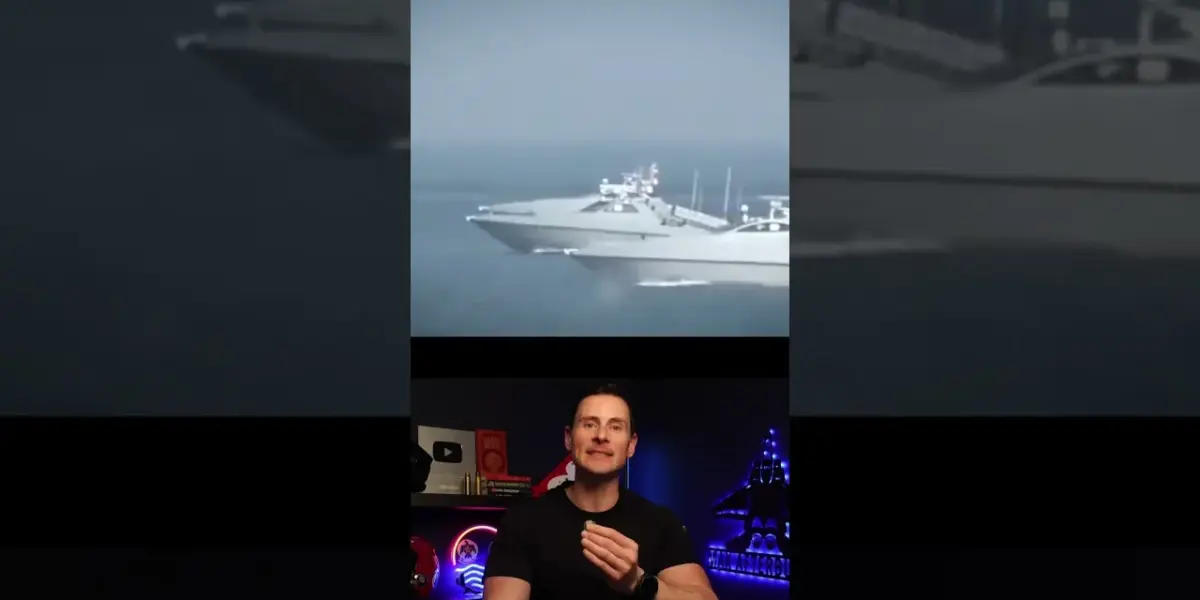
Iran’s Strait of Hormuz Gambit Ignites Naval Conflict
The strategic chokepoint of the Strait of Hormuz has once again become the epicenter of escalating tensions, as Iran’s threats to disrupt global shipping have seemingly materialized into direct attacks. In a dramatic turn of events, three commercial vessels have reportedly been struck, one within the vital Strait itself and two others in the broader Persian Gulf. While official claims of responsibility remain elusive, the timing and nature of these incidents strongly suggest a deliberate escalation orchestrated by Iran’s Islamic Revolutionary Guard Corps (IRGC), following their explicit vows to shut down maritime traffic through this critical waterway.
A Day of Retaliation and Escalation
The attacks on shipping occur in the immediate aftermath of what is described as the most intense day of U.S. military action against Iranian targets. American forces launched a significant offensive, deploying fighters, bombers, and utilizing precision intelligence to strike missile sites, manufacturing facilities, and key elements of Iran’s naval capabilities. Notably, the U.S. reportedly neutralized 16 Iranian mine-laying vessels in the vicinity of the Strait of Hormuz, a move clearly aimed at preempting or disrupting Iranian attempts to sow chaos.
The Chilling Effect on Global Trade
The impact on international commerce has been swift and severe. Shipping traffic in and around the Strait of Hormuz has been described as “relatively frozen,” with hundreds of vessels reportedly waiting to transit. This bottleneck highlights the immense global reliance on the Strait, through which approximately 20-30% of the world’s seaborne oil trade passes. Any sustained disruption here carries profound economic implications, threatening to drive up energy prices and disrupt supply chains worldwide.
Iran’s Hybrid Warfare Tactics
Adding to the tension, Iran has released footage showcasing the launch of drones, with indications that these operations could be targeting the Strait of Hormuz. This deployment of unmanned aerial vehicles is consistent with Iran’s established playbook of hybrid warfare – a strategy that blends conventional military actions with asymmetric tactics, cyber warfare, and the use of proxies. The IRGC’s rhetoric has further intensified, with declarations that any vessel attempting to pass through the Strait will be “set ablaze.” This bellicose posturing, coupled with the reported attacks, paints a grim picture of Iran’s willingness to employ direct force to achieve its strategic objectives.
The U.S. Response and Air Dominance
In response to the perceived threats, the United States has reportedly maintained a constant aerial presence, with fighter jets likely on a 24/7 mission to intercept any Iranian drones posing a risk to naval vessels. This highlights the ongoing cat-and-mouse game playing out in the skies and waters of the Persian Gulf, where both sides are seeking to project power and deter the other. The U.S. military’s actions, particularly the destruction of the mine-laying vessels, demonstrate a proactive stance aimed at ensuring freedom of navigation, even as Iran seeks to challenge it.
Historical Context: The Strait’s Enduring Significance
The Strait of Hormuz has long been a flashpoint in regional geopolitics. Its narrow 21-mile width, separating Iran from Oman, makes it an indispensable maritime artery. Throughout history, control or influence over this waterway has been a key strategic objective for regional powers and global superpowers alike. Iran, facing significant international pressure and sanctions, has repeatedly used the threat of closing the Strait as a bargaining chip and a means of asserting its regional influence. Previous incidents, including naval skirmishes and the seizure of vessels, underscore the volatile nature of this maritime passage.
Why This Matters
The implications of these events extend far beyond the immediate confrontation. The potential for a full-scale conflict in the Persian Gulf, sparked by a blockade or sustained attacks on shipping, could have devastating global economic consequences. Rising oil prices, disrupted trade routes, and increased geopolitical instability are all direct threats. For the international community, this situation underscores the fragility of global supply chains and the critical importance of maintaining open and secure maritime transit routes. It also raises questions about the effectiveness of current deterrence strategies and the potential for miscalculation to lead to wider conflict.
Implications, Trends, and Future Outlook
This latest escalation suggests a dangerous trend of increasing assertiveness from Iran, potentially emboldened by its perceived ability to inflict costs on adversaries without triggering a full-scale conventional response. The IRGC’s embrace of hybrid warfare tactics, including drone deployment and maritime harassment, is a growing concern for international navies operating in the region. The future outlook remains precarious. The success of U.S. and international efforts to deter further attacks will depend on a combination of robust military presence, effective intelligence, and a clear communication of consequences. However, the inherent volatility of the region, coupled with Iran’s strategic imperatives, suggests that the Strait of Hormuz will likely remain a critical global security concern for the foreseeable future. The international community faces the challenge of balancing the need to ensure freedom of navigation with the imperative to de-escalate tensions and avoid a wider conflagration.
Source: Iran Tries to Shut Down Straits of Hormuz Then This Happened (YouTube)

Related Articles


US Cardinal’s Papal Upset Redraws Vatican Influence
Pope Francis's election defied expectations, including his own, as an American cardinal believed an "American" Pope was unthinkable. The swift conclave surprised many, highlighting the unpredictable nature of papal selections and signaling a potential shift in the Church's global direction.


Mexico Navigates US-China Rivalry
Mexico is caught in a geopolitical tug-of-war between the United States and China. The nation must carefully balance its economic needs and strategic interests with both superpowers. This situation highlights Mexico's growing importance in global affairs.
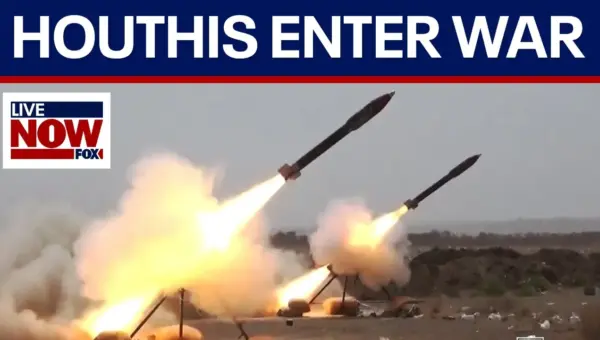
Iran-Backed Houthis Strike Israel, Escalating Regional Tensions
Iran-backed Houthi rebels have launched a missile attack targeting Israel, marking their first such strike since the current Middle East conflict began. The Israeli military confirmed the interception of the projectile. Analysts view this action as part of Iran's broader regional strategy, highlighting the regime's reliance on proxy forces amid internal weaknesses.