US Strikes Ignite Iran: Leadership Wounded, Military Decimated
The U.S. military has launched extensive strikes against Iran, reportedly wounding the nation's leader and decimating its conventional forces. Iran vows retaliation, signaling a potential shift to asymmetric tactics.

US Strikes Ignite Iran: Leadership Wounded, Military Decimated
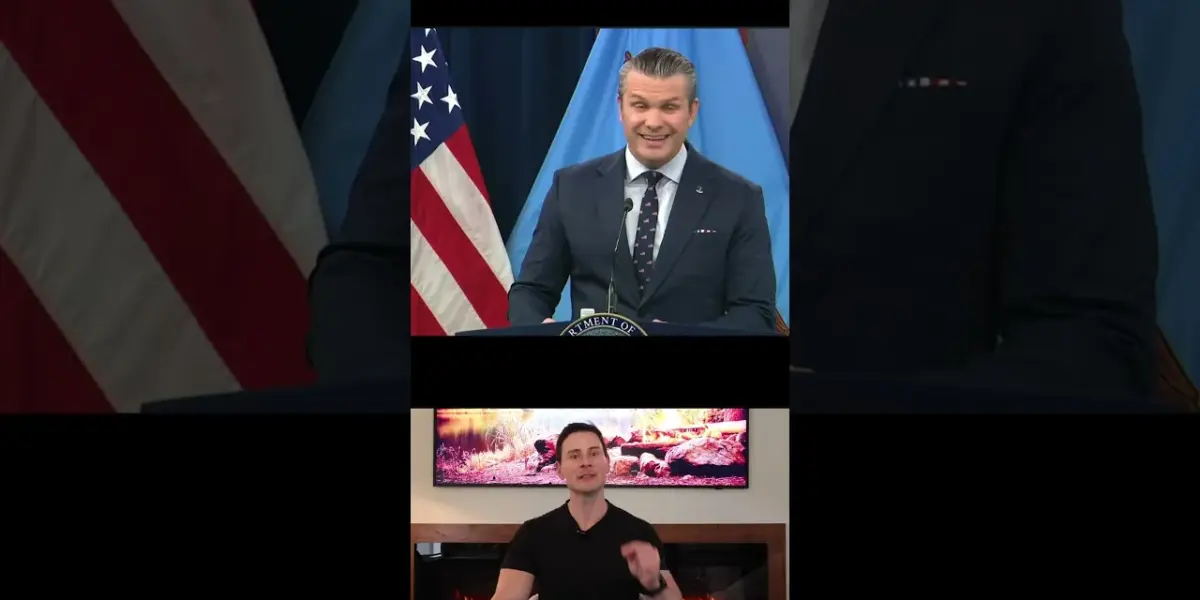
In a dramatic escalation of hostilities, the United States military has reportedly launched a significant wave of strikes targeting Iran’s leadership and military infrastructure. The operations, described as the “biggest day of strikes on Iran,” come on day 14 of heightened tensions. Reports indicate that Iran’s new Supreme Leader, Majaba Kmeni, has been wounded and is potentially disfigured, according to Secretary of War Pete Heath. This aggressive move marks a critical juncture in the ongoing conflict, signaling a decisive shift in US strategy.
Rhetoric and Retaliation
Despite the severe blows reportedly dealt to its military and leadership, the Iranian regime continues to issue defiant rhetoric. Officials are vowing to “expel US influence, destroy Israel, and keep the Straits of Hormuz close.” This unwavering stance highlights the deep ideological chasm between the two nations and the high stakes involved. The administration, in response, has doubled down on its objectives, with President Trump reportedly stating, “We are totally destroying the terrorist regime of Iran. Watch and see what happens to these deranged scumbags today.”
Military Objectives and Tactics
The transcript suggests a multi-pronged approach by the US military. Evidence of B-1 bombers being prepared for strike missions indicates a potential focus on leadership targets. The report also details the significant degradation of Iran’s conventional military capabilities: its navy has been sunk, its air force rendered inoperable, and its missile forces “decimated.”
In response to these conventional losses, Iran appears to be shifting towards asymmetric tactics. The focus has turned to “guerrilla warfare tactics in the Straits of Hormuz,” including acts like “lighting oil tankers on fire.” While there is still some flow through the vital waterway, the primary US objectives appear to be twofold: to dismantle Iran’s military’s ability to operate and communicate, and to neutralize the asymmetric threats posed in the Straits.
Historical Context and Escalation
This latest escalation did not occur in a vacuum. The ongoing animosity between the United States and Iran has a long and complex history, marked by proxy conflicts, sanctions, and periods of intense diplomatic tension. The current situation can be seen as a culmination of years of strategic maneuvering and a hardening of positions on both sides. The reported actions represent a significant departure from previous, more limited engagements, suggesting a deliberate effort to cripple Iran’s capacity to wage war and project power.
Balanced Viewpoints and Implications
While the transcript presents a strong pro-US military action stance, it’s important to consider the broader implications. The targeting of a nation’s leadership, even in a conflict scenario, carries immense geopolitical weight and risks unpredictable retaliatory measures. The description of Iran’s leadership as a “terrorist regime” reflects a specific political framing, and alternative perspectives would likely emphasize the complexities of the region and the potential for unintended consequences of such decisive military action.
The effectiveness of these strikes in achieving long-term objectives, such as permanently dismantling Iran’s military or altering its regime’s fundamental ideology, remains to be seen. The shift to asymmetric tactics by Iran, even with a weakened conventional force, suggests a potential for prolonged insurgency and unconventional warfare that could prove costly for all parties involved.
Why This Matters
This situation is of paramount importance due to its direct impact on global security and energy markets. The Straits of Hormuz are a critical chokepoint for global oil supply. Any disruption or closure of these waters can lead to significant price volatility and economic instability worldwide. Furthermore, the potential for a wounded and disfigured Iranian leader could lead to a power vacuum or a more radicalized response from within Iran. The actions described represent a significant gamble with potentially far-reaching consequences for the Middle East and beyond. The international community will be closely watching to see how Iran responds and whether diplomatic avenues can be pursued to de-escalate the situation.
Trends and Future Outlook
The current events underscore a worrying trend of increased military assertiveness in international relations. The reliance on overwhelming conventional force, coupled with the rhetoric of “total destruction,” suggests a willingness to pursue decisive military outcomes. However, the resilience of non-state actors and the adaptability of asymmetric warfare tactics mean that even a severely degraded conventional military can pose a persistent threat.
The future outlook remains uncertain. The US administration appears committed to achieving its stated objectives, while Iran’s leadership continues to signal defiance. The coming days and weeks will be crucial in determining whether these strikes lead to a swift capitulation by Iran, a prolonged period of instability, or an even wider regional conflict. The international response, including the actions of other major powers, will also play a significant role in shaping the ultimate outcome.
Source: U.S. Military Just UNLEASHED HELL On Iran's Leadership (YouTube)

Related Articles

G7 Allies Clash Over Iran War Strategy, Urge Focus on Russia
G7 foreign ministers met in Paris, revealing deep divisions over the U.S. war with Iran. European allies urged the U.S. to pressure Russia, linking its actions to the conflict and fearing support for Ukraine will wane.

Iran Blocks China Ships, Exposing Beijing’s Weak Grip
Iran's recent decision to block Chinese ships at the Strait of Hormuz is exposing the limits of Beijing's influence in the Middle East. This action is causing delays and cancellations for Chinese manufacturers, turning a perceived geopolitical win into an economic strain.
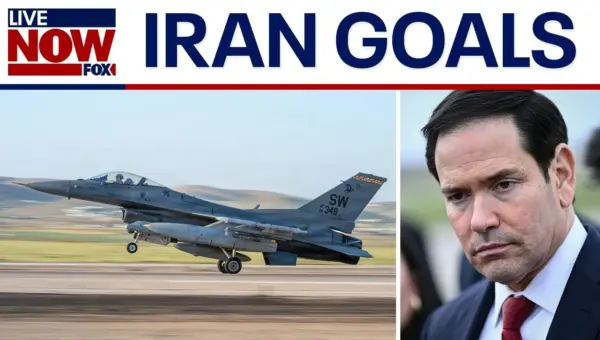
Rubio: US Can Achieve Iran War Goals Without Troops
Senator Marco Rubio outlined a strategy to counter Iran without deploying U.S. ground troops, focusing on weakening the regime and enhancing maritime security. He also criticized Cuba's economic system and expressed concerns about West Bank violence.