Trump’s Iran War: Declaring Victory or Facing Quagmire?
The Trump administration faces critical decisions in its third week of conflict with Iran, balancing the risks of continued engagement against the dangers of an incomplete withdrawal. Key concerns include Iran's nuclear ambitions and the unclear objectives of the military action.

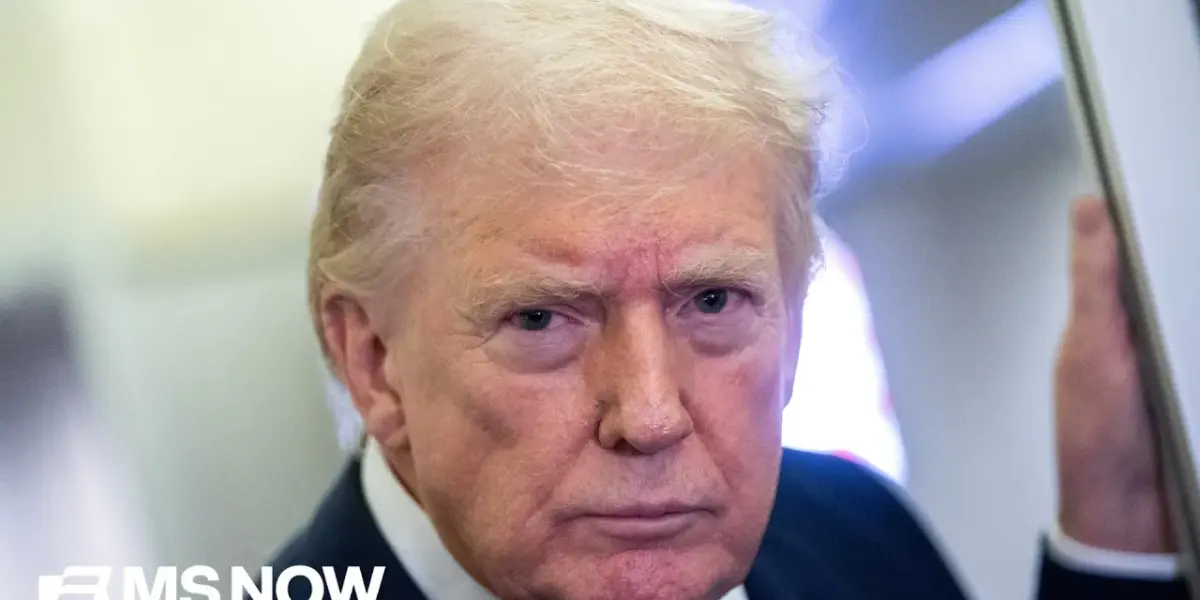
Trump Administration Faces Stark Choices in Third Week of Iran Conflict
As the conflict initiated by the Trump administration with Iran enters its third week, President Donald Trump faces a critical juncture, with options ranging from continued military engagement to a strategic withdrawal. A recent analysis suggests that extending the conflict risks further American casualties, escalating financial costs, and straining international alliances. However, pulling back prematurely means leaving Iran’s nuclear ambitions largely unchecked, posing a significant long-term threat.
The Nuclear Dilemma: A Lingering Threat
At the heart of the international concern is Iran’s stockpile of near bomb-grade nuclear fuel. Experts warn that if the U.S. withdraws without dismantling this capability, Iran could possess the material to produce ten or more nuclear weapons. This situation is further complicated by the potential for a wounded Iranian government, potentially more motivated than ever, to accelerate its weaponization efforts.
“The window to declare success in Iran is closing,” notes conservative writer Matt Lewis in a recent op-ed for the Los Angeles Times. Lewis argues that the initial justifications for the conflict were unclear, and the American public never reached a national consensus, leaving the administration without a defined exit strategy.
Defining ‘Success’: A Mission Unclear
The administration’s objectives in Iran have been a subject of debate. While the stated aim includes preventing Iran from ever possessing nuclear weapons, the path to achieving this goal remains ambiguous. Lewis points out that a premature declaration of success – such as setting back Iran’s nuclear program by a decade or subduing its navy – might not reflect actual accomplishment, leaving a dangerous capability intact.
The Perils of Prolonged Engagement
Continuing the military action presents its own set of serious challenges. The New York Times analysis highlighted the increased risk to American lives and the mounting financial burden. Furthermore, prolonged engagement could further alienate key allies, weakening the broader international coalition against Iran’s nuclear ambitions. The question remains: what are the ultimate goals of staying engaged? Is it regime change, or unconditional surrender? Given the nature of the Iranian regime, such outcomes appear increasingly unlikely.
Exit Strategy or Escalation?
The lack of a clearly defined mission and exit strategy from the outset has created a complex situation. Lewis likens it to the Tanya Tucker song, “It’s a little too late to do the right thing now.” The current challenge is to find a way out of the conflict that minimizes negative consequences, even if it involves some level of embarrassment for the administration. The alternative, staying engaged without clear objectives, risks a protracted quagmire, drawing the U.S. into another open-ended Middle Eastern war.
Legacy and Presidential Ambition
Speculation abounds regarding President Trump’s motivations for initiating the conflict. Many observers note a contrast between his campaign promises of non-interventionism and his current actions in Iran. Theories suggest influences ranging from Israeli Prime Minister Benjamin Netanyahu’s counsel to Trump’s preference for unilateral executive action. However, a compelling theory posits that the conflict is part of Trump’s legacy-building phase, an effort to undertake consequential actions that will ensure his place in history. This ambition, some argue, drives him to pursue actions that past presidents have shied away from, aiming for achievements that would define his presidency.
The High Stakes of Presidential Decisions
The decision to engage in military conflict carries immense weight, particularly when considering a president’s legacy. While a successful intervention that neutralizes Iran’s nuclear threat and leads to a more favorable regime could be seen as a monumental achievement, the risks of failure are equally profound. The situation is fraught with the potential for outcomes akin to the Vietnam War, where foreign policy decisions overshadowed and ultimately undermined domestic achievements, as seen with President Lyndon B. Johnson.
Looking Ahead: The Unfolding Scenario
As the conflict continues, the world watches to see how the Trump administration navigates these difficult choices. The coming weeks will be crucial in determining whether a strategic withdrawal can be achieved, or if the U.S. will become further entrenched in a conflict with uncertain objectives and potentially devastating consequences. The administration’s ability to define and achieve success, however narrowly, will undoubtedly shape both its immediate foreign policy standing and President Trump’s historical legacy.
Source: Opinion: "The window to declare success in Iran is closing" (YouTube)

Related Articles

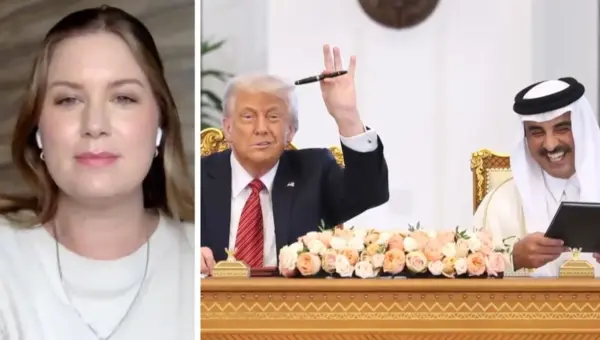
Gulf States Demand Seat at Table on Iran’s Nuclear Future
Gulf states are demanding a seat at the table for any U.S.-Iran talks regarding Iran's nuclear future. This move reflects a growing assertiveness and a desire to shape regional security directly. It signals a potential shift towards more inclusive diplomatic efforts in the Middle East.


Israelis Forge Resilience Amidst Constant Bomb Shelter Drills
Life in Israel is a blend of resilience and constant vigilance, with many families adapting to frequent bomb shelter drills and even sleeping in makeshift shelters. Despite ongoing missile attacks, Israelis strive to maintain normalcy, though businesses face disruption and emotional fatigue is a growing concern.

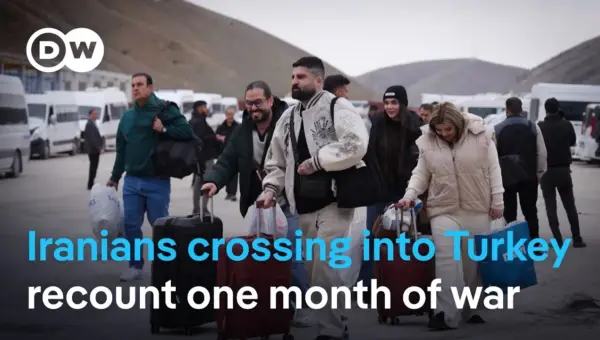
Iran War Exodus: Refugees Flee to Turkey Amidst Bombings
A train from Tehran brings refugees to Turkey, fleeing daily bombings and economic collapse. Many express deep fear for loved ones left behind, while some hold onto national pride and hope for victory. The conflict's impact is also felt economically in Turkey, with rising gas prices.