Cuba Welcomes US Investment Amid Shifting Economic Landscape
Cuba's Deputy Prime Minister has extended an open invitation to American companies and individuals of Cuban descent for commercial engagement. This move signals a strategic effort to attract foreign investment and revitalize the island's economy amidst ongoing challenges.

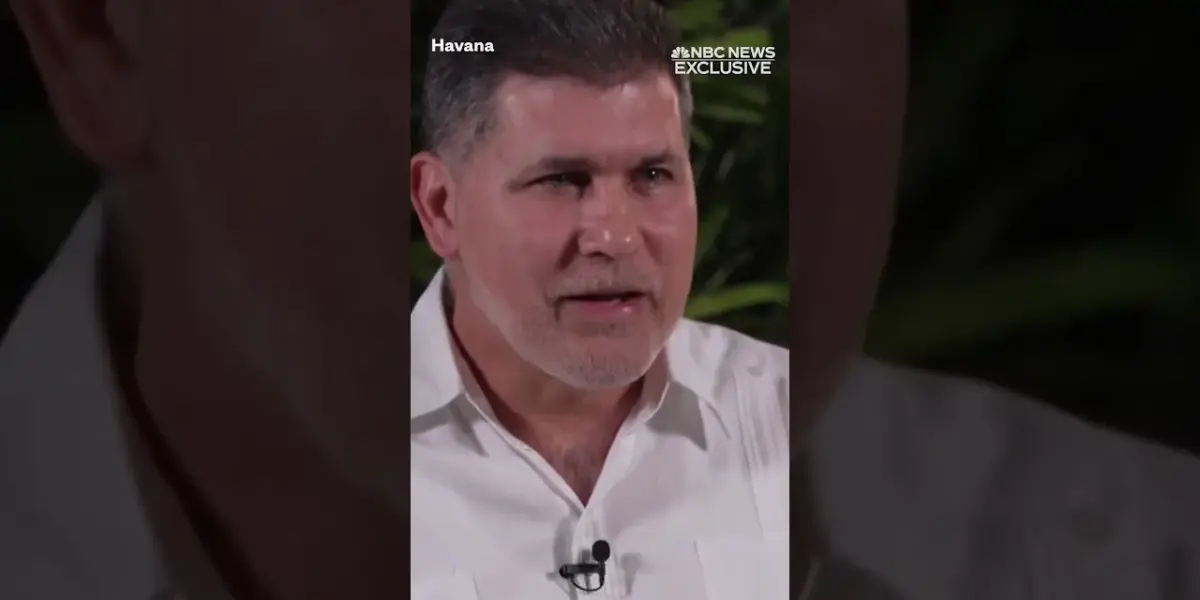
Cuba Opens Doors to American Investment, Seeks Economic Ties
Cuba’s Deputy Prime Minister, Oscar Perez Oliva Farga, has signaled a significant shift in the island nation’s economic policy, expressing an open invitation for American companies and individuals of Cuban descent to engage in a “fluid commercial relationship.” This outreach, detailed in an exclusive interview, suggests a strategic move by Havana to attract foreign capital and foster economic growth amidst evolving international dynamics.
A New Era for US-Cuba Economic Relations?
The declaration by Deputy Prime Minister Oliva Farga marks a potentially pivotal moment for US-Cuba economic relations, which have been historically constrained by decades of embargoes and political tensions. By explicitly targeting American investors, Cuba appears to be seeking to leverage the proximity and familiarity of the US market, hinting at opportunities for major American retailers and businesses to establish a presence on the island.
“Cuba is open for business, not just to any investor, but American investors,” Oliva Farga stated, emphasizing the desire for a broad spectrum of engagement that extends beyond mere commercial transactions.
This sentiment suggests a willingness to explore diverse forms of economic cooperation, potentially encompassing sectors ranging from retail and tourism to manufacturing and technology. The inclusion of “Cubans residing in the United States and their descendants” also points to a strategy of engaging the diaspora, recognizing their potential as investors and conduits for capital and expertise.
Economic Challenges and Strategic Opportunities
Cuba has long grappled with economic challenges, exacerbated by the US embargo, internal inefficiencies, and global economic downturns. The nation’s economy is heavily reliant on tourism, remittances, and the export of key commodities like nickel and sugar. In recent years, the government has been seeking to diversify its economic base and attract foreign direct investment (FDI) to modernize its infrastructure, boost productivity, and create jobs.
The overture to American investors can be viewed as a strategic response to these persistent economic pressures. By opening its doors to US firms, Cuba might be aiming to:
- Access Capital and Technology: US companies often possess significant capital reserves and cutting-edge technologies that could help modernize Cuban industries.
- Stimulate Competition and Efficiency: The entry of American businesses could introduce new competitive dynamics, potentially driving greater efficiency and innovation within the Cuban market.
- Diversify Economic Partnerships: While Cuba maintains relationships with other international partners, strengthening ties with the US could offer a more stable and predictable economic environment, despite historical complexities.
- Leverage Existing Demand: There is a latent demand among American consumers and businesses for Cuban products and services, which could be unlocked with eased trade restrictions.
Broader Implications and Historical Context
The historical context of US-Cuba relations is deeply complex, marked by periods of intense hostility and brief moments of détente. The Obama administration’s efforts to normalize relations in 2014 led to a temporary thaw, with increased travel and some easing of trade restrictions. However, subsequent policies under the Trump administration largely reversed these gains, reimposing stringent sanctions and further limiting engagement.
The current administration in Cuba appears to be taking a pragmatic approach, recognizing the economic imperative to engage with the United States, regardless of the political climate. This move could signal a willingness to navigate the intricate web of US sanctions and regulations, seeking specific avenues for investment that might be permissible or could potentially lead to future policy changes.
The potential involvement of major American retailers like Walmart and Target, as alluded to in the interview, represents a significant shift. Their entry would not only bring substantial investment but also introduce new consumer goods, supply chains, and retail models to the Cuban market. This could have a ripple effect, influencing local businesses, consumer behavior, and the overall economic landscape.
Navigating the Path Forward
While the invitation is clear, the practical implementation of such a strategy will undoubtedly face numerous hurdles. US sanctions, including the Helms-Burton Act, impose significant restrictions on trade and investment with Cuba. Any substantial engagement would likely require navigating these complex legal frameworks and potentially lobbying for policy changes in Washington.
Furthermore, the Cuban government will need to ensure that its own regulatory environment is conducive to foreign investment, addressing concerns related to property rights, repatriation of profits, and bureaucratic procedures. The success of this initiative will hinge on a delicate balance between Cuba’s economic needs and the political realities governing US-Cuba relations.
What to Watch Next
The coming months will be crucial in determining the tangible outcomes of Deputy Prime Minister Oliva Farga’s announcement. Observers will be watching for specific proposals, potential pilot projects, and any indications of interest from American companies. The response from both the US government and the business community will be key indicators of whether this overture translates into concrete economic opportunities for Cuba and a new chapter in its relationship with the United States.
Source: Cuba's deputy prime minister says the country is open to American investments (YouTube)

Related Articles
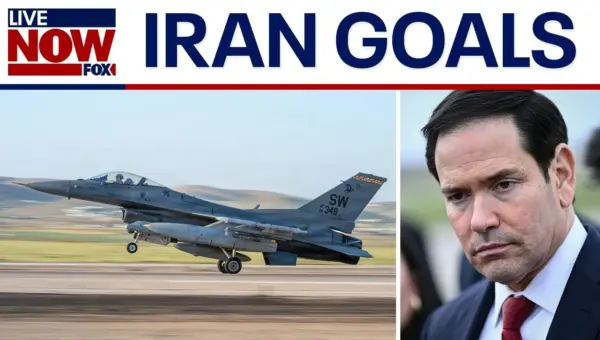
Rubio: US Can Achieve Iran War Goals Without Troops
Senator Marco Rubio outlined a strategy to counter Iran without deploying U.S. ground troops, focusing on weakening the regime and enhancing maritime security. He also criticized Cuba's economic system and expressed concerns about West Bank violence.
Trump’s Warpath: New Threats Signal Imperial Ambitions
Recent statements from Donald Trump reveal a potential embrace of increased military action and interventionist foreign policy. This approach, characterized by critics as "imperialism 2.0," contrasts with his past promises of peace and has even drawn criticism from parts of his own base. The implications for U.S. global engagement and domestic priorities are significant.


Cuba Faces Crisis as Old Allies Flee US Pressure
Cuba is facing an unprecedented economic crisis and humanitarian emergency as its traditional allies in Latin America withdraw support under U.S. pressure. The cutoff of Venezuelan oil, coupled with a shifting regional political landscape, has left the island increasingly isolated with few options for aid.