Grieving Families Confront Trump Over Iran War’s Deadly Toll
Grieving families of U.S. soldiers killed in the Iran conflict are directly confronting Donald Trump, branding the war as unlawful and unnecessary. The report highlights the tragedy of Tech Sergeant Tyler Simmons and criticizes Trump's response to the fallen.

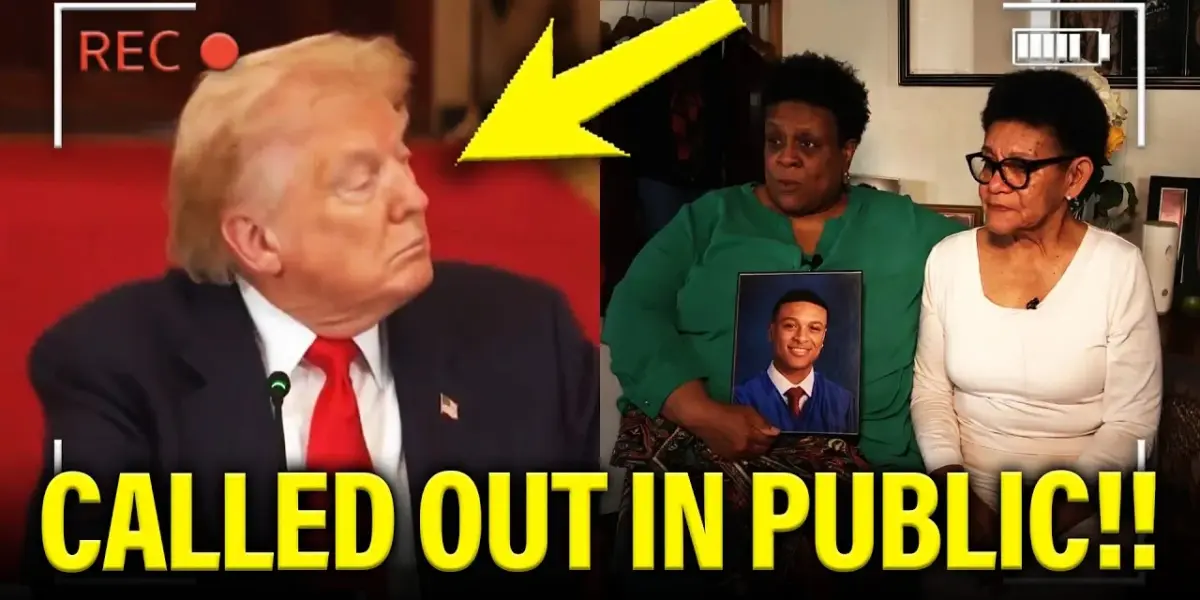
Families of Fallen Soldiers Speak Out Against Trump’s Iran War
The human cost of Donald Trump’s military actions in Iran is no longer confined to the battlefields of the Middle East. It is now resonating within the United States, as grieving families of fallen service members directly confront the former president, holding him accountable for what they describe as an “unlawful” and “hellish” war. The Midas Touch Network, in a recent broadcast, highlighted the profound sorrow and anger of these families, particularly focusing on the tragic loss of Tech Sergeant Tyler Simmons and his fellow airmen.
A Life Cut Short: The Tragedy of Tech Sergeant Tyler Simmons
Tech Sergeant Tyler Simmons, a 28-year-old member of the Ohio Air National Guard, was among the six U.S. Air Force members who perished on March 12, 2026, when a KC-135 Stratotanker crashed during a maneuver. The official explanation from the Trump regime and CENTCOM, according to the report, was an in-air incident, denying any hostile or friendly fire. However, the families of the deceased, including Simmons, reject this narrative and the justification for the conflict itself.
Simmons, a skilled boom operator, was remembered by his family as a loving son, a dedicated individual who cherished his job and his colleagues, and a man with a “million-dollar smile” destined for great things. His mother recalled a conversation just days before his death where he mentioned being shot at but assured her he was okay. The devastating news of his loss arrived with uniformed officers at his family’s doorstep, a stark contrast to his dreams of a long military career followed by becoming a commercial pilot.
“This could have been prevented. We didn’t need to be in this war. This is uncalled for. And families are suffering right now. Not only our family, but there are other families that’s lost loved ones. And just to create a war because you want to create a war, it’s not right. It is not right.”
These words from Simmons’s family encapsulate the anguish and frustration felt by those directly impacted by the conflict. They underscore a sentiment that the war was not only unnecessary but also a direct cause of their suffering.
Accountability and Fundraising: A Controversial Stance
The report also drew attention to Donald Trump’s reactions when confronted with the realities of the war and its human cost. When asked for a comment on the deaths of the six service members aboard Air Force One, Trump reportedly refused to answer, instead attacking the reporter. Furthermore, his political action committee (PAC) faced criticism for sending out fundraising emails that utilized images of Trump at dignified transfers of fallen soldiers, while he himself was wearing campaign hats.
When questioned about the appropriateness of fundraising off these solemn occasions, Trump allegedly stated, “I do think it’s appropriate. I didn’t see it,” before launching into an attack on ABC News, labeling it “one of the worst, most fake, most corrupt” news organizations. This perceived insensitivity and deflection from accountability has fueled the anger of the families and critics.
The foreign minister of Iran, in response to the escalating conflict, echoed the sentiments of the grieving families, stating that families of U.S. soldiers killed in the war are relying on public donations. He further criticized those providing “poor advice” to Trump, holding them responsible for the bloodshed and asserting that the war was imposed on both Americans and Iranians. The minister also pointed to reports of Jared Kushner soliciting funds for his private equity firm during this time, drawing a stark contrast between private financial pursuits and the families’ pleas for support.
Historical Context and Unanswered Questions
The narrative presented suggests a pattern of engagement in foreign conflicts with questionable justifications. The report references former presidential candidate Pete Buttigieg’s (referred to as Pete Buddha Judge) critique, highlighting that while the Iraq War was sold on false pretenses, the current conflict in Iran lacks even a clear pretense. Buttigieg is quoted as saying, “We have literally no clue why we’re there right now.”
The transcript also touches upon the history of Iran’s nuclear program, noting that it was previously contained without military intervention. The decision to withdraw from the Obama-era Iran nuclear deal and subsequently engage in military action is framed as a failure to secure a better deal and a move towards an unplanned war. Concerns were raised about the potential closure of the Strait of Hormuz and the administration’s preparedness, described by some as “amateur hour.”
From an economic perspective, the war’s impact is also highlighted. Increased mortgage rates, higher food prices, and rising gas prices are cited as direct consequences affecting everyday Americans. The significant daily expenditure on the conflict, estimated at $2 billion, is questioned in light of pressing domestic concerns such as job creation, healthcare, and childcare.
The Broader Implications and Future Outlook
The core of the criticism revolves around the leadership’s approach to foreign policy and the disregard for the human element. The report contrasts the administration’s portrayal of the conflict as a “video game” with the harsh reality faced by the families of the fallen. The act of fundraising off the images of dignified transfers is presented as a profound ethical failure, rendering a leader unfit to command troops in wartime.
The sentiment that the American public is tired of being drawn into Middle Eastern wars is palpable. There is a call for leaders to prioritize domestic issues, manufacturing, jobs, and childcare, aligning with the “America First” sentiment that propelled Trump’s initial campaigns. The disconnect between campaign promises, such as avoiding foreign wars, and the current actions is noted, with a plea for a return to the principles espoused in 2016 and subsequent elections.
The narrative suggests that the conflict in Iran, initiated without a clear imminent threat and with significant human and economic costs, represents a failure of leadership. The grieving families’ voices serve as a powerful testament to the personal sacrifices demanded by such conflicts, challenging the justifications and the conduct of those in power.
Why This Matters
This situation highlights a critical tension between political leadership, military action, and the profound human cost borne by service members and their families. The direct confrontation of a political figure by grieving families underscores the importance of accountability in matters of war and peace. The report raises serious questions about the justifications for military engagement, the transparency of government communications, and the ethical boundaries of political fundraising, particularly when exploiting the solemnity of military sacrifice. It forces a public reckoning with the true cost of war, not just in geopolitical terms, but in the irreplaceable loss of individual lives and the ensuing national grief.
Source: Trump gets CONFRONTED by GRIEVING FAMILIES in WAR!! (YouTube)

Related Articles

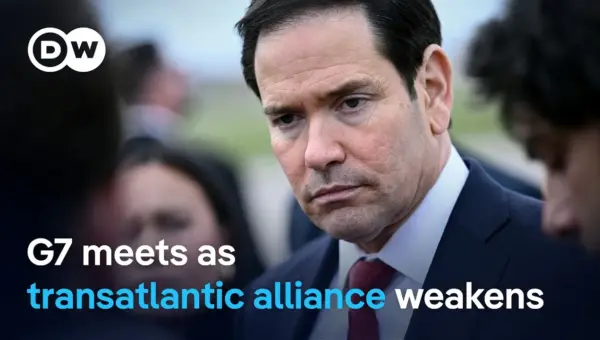
G7 Allies Clash Over Iran War Strategy, Urge Focus on Russia
G7 foreign ministers met in Paris, revealing deep divisions over the U.S. war with Iran. European allies urged the U.S. to pressure Russia, linking its actions to the conflict and fearing support for Ukraine will wane.
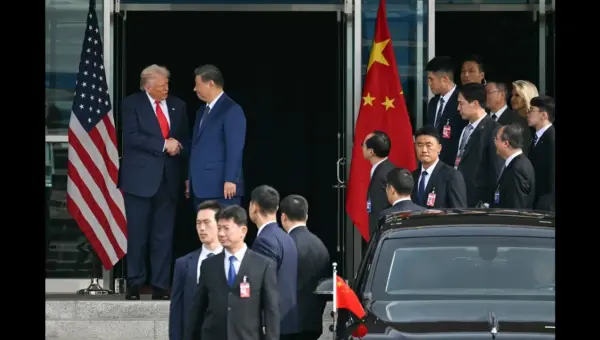
Trump’s “Walk Away” Tactic Signals Tougher Stance on China
Retired Air Force Brigadier General David Stillwell believes President Trump's strategy of being willing to walk away from negotiations puts pressure on China. This tactic, combined with US global actions and strengthened alliances, signals a more assertive American foreign policy.
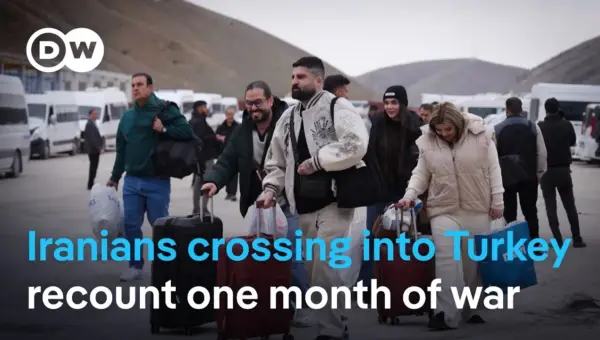
Iran War Exodus: Refugees Flee to Turkey Amidst Bombings
A train from Tehran brings refugees to Turkey, fleeing daily bombings and economic collapse. Many express deep fear for loved ones left behind, while some hold onto national pride and hope for victory. The conflict's impact is also felt economically in Turkey, with rising gas prices.