Putin Cashes In: How Iran Conflict Boosts Russia’s Global Standing
The ongoing conflict in Iran is unexpectedly benefiting Russia, according to geopolitical analyst Mark Galeotti. Putin is capitalizing on rising oil prices, potential sanctions relief, and Western distractions from the war in Ukraine. Limited Russian support for Iran strategically bolsters Moscow's global standing without direct military involvement.

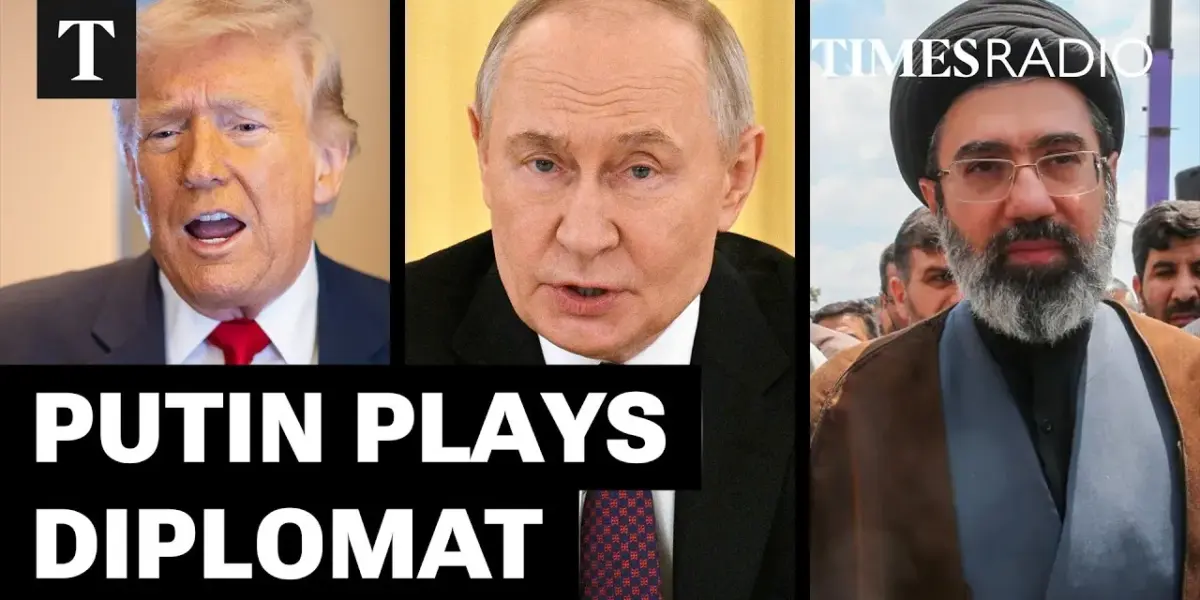
Putin Cashes In: How Iran Conflict Boosts Russia’s Global Standing
In a surprising geopolitical twist, Russian President Vladimir Putin appears to be a significant beneficiary of the escalating conflict involving Iran, according to insights from historian and Sunday Times columnist Mark Galeotti. While the West grapples with the repercussions of the crisis, Russia finds itself in a position to gain from increased oil prices, potential sanctions relief, and a crucial distraction from the ongoing war in Ukraine.
Disruption as a Strategic Advantage
Galeotti argues that the current conflict in Iran serves as a powerful disruptive force for Western nations, a scenario that directly benefits Putin. He points to the complex and often contradictory stance of former U.S. President Donald Trump, who has been seen denouncing Iran’s actions while simultaneously pressuring NATO allies to contribute to what he terms America’s “undeclared war.” This internal disarray within the Western coalition, coupled with the global economic impacts, plays directly into Russia’s strategic interests.
“Generally speaking, anything that disrupts the West and distracts the West is good for Putin. And clearly Trump’s war in Iran is both disruptive and distracting.”
– Mark Galeotti
Limited but Strategic Russian Support for Iran
While Russia is not directly engaging in combat, it is providing a degree of support to Iran that bolsters its international image without entangling Moscow in a direct confrontation. Galeotti suggests that Russia may be supplying targeting intelligence to Iran, a move he likens to the intelligence shared by Western nations with Ukraine. This “tit for tat” approach allows Russia to demonstrate solidarity with its notional ally, Iran, without incurring significant risks.
Moscow’s recent signing of a strategic partnership with Iran, a deal initiated by Iran’s reluctance to agree to a mutual defense pact, further positions Russia favorably. This arrangement allows Russia to offer support without the binding obligations of a formal alliance, providing flexibility in its foreign policy engagements.
The Role of a Potential Russian Medical Aid
Speculation has also arisen regarding Russia’s potential involvement in providing emergency medical surgery for Iran’s new Supreme Leader, who is reportedly injured. Galeotti notes that while there is currently no concrete evidence to support these claims, such an action would align with Russia’s strategic objectives. It would project an image of support and international responsibility towards Iran, all while avoiding direct military entanglement. This hypothetical scenario underscores Russia’s ability to leverage such situations to its advantage, especially given its current military commitments in Ukraine and its desire to avoid antagonizing figures like Donald Trump.
“From the Russians point of view, it’s important for their international credibility that they don’t just simply walk away from Iran totally as soon as it looks as if it’s in a problem. But on the other hand, they really don’t want to get involved at the sharp end of things.”
The Stalled War in Ukraine
The conflict in Ukraine remains a brutal war of attrition. Despite Ukraine weathering the harsh winter, the extensive damage to its energy infrastructure presents a long-term challenge. Galeotti describes the current situation as a grinding conflict where both sides are testing each other’s endurance. While Ukraine has managed to inflict significant casualties on Russian forces and achieve minor counterattack successes, the duration of the conflict remains uncertain.
The ongoing war in Ukraine has seen stalled peace talks, with Ukraine hoping for improved conditions, potentially linked to better weather and energy stability. However, the current military situation is characterized by a high cost for both sides, making it difficult to predict the trajectory of the war.
Broader Implications and Future Outlook
The confluence of the Iran crisis and the war in Ukraine creates a complex global landscape. The potential for sanctions relief on Russian oil sales, even if temporary, offers a much-needed economic boost for Moscow. Meanwhile, the geopolitical maneuvering surrounding the Iran conflict provides Russia with opportunities to strengthen its international standing and weaken Western solidarity.
The dynamic between the U.S., Russia, and Ukraine, particularly in light of Donald Trump’s pronouncements and Ukraine’s offers of drone expertise, suggests a period of heightened international tension and strategic recalibration. As the world watches the developments in Iran and the protracted conflict in Ukraine, the long-term beneficiaries of these intertwined crises are likely to remain a subject of intense geopolitical analysis.
What remains to be seen is how these geopolitical shifts will ultimately reshape international relations and the balance of power. The coming months will be critical in observing whether the current disruptions translate into lasting strategic gains for Russia and how the global community navigates these complex challenges.
Source: How Putin Benefits From The War In Iran | Mark Galeotti (YouTube)

Related Articles

Stocks Ignore War Risks, Focus on “Taco Moments”
Stock markets appear to be overlooking the severe supply chain risks stemming from the Iran conflict, focusing instead on potential diplomatic de-escalations. While the S&P 500 shows resilience, bond and commodity markets signal deep concern over disruptions to critical resources like LNG, helium, and fertilizers.
U.S. Iran Tensions Rise Amid Shifting Alliances
Rising tensions between the U.S. and Iran are creating a volatile geopolitical situation. With conflicting signals on de-escalation and potential shifts in alliances like NATO and U.S.-Israel relations, the path forward remains uncertain. The global economy and regional stability hang in the balance.


Iran Targets US With Cyberattacks, Escalating Digital Warfare
Iran is increasingly using cyberattacks to challenge the U.S., as seen in a recent hack of the FBI director's account. Experts say this is a strategic shift due to Iran's limitations in conventional warfare. The U.S. needs to strengthen its digital defenses, focusing on encryption and cloud computing, rather than solely relying on traditional security measures.