Colombian Farmers Battle Tariffs, Seek New Global Markets
Colombian coffee and sugarcane farmers are facing economic uncertainty due to international tariffs and market volatility. The sector is actively seeking new global markets, with a focus on Asia and a potential return to Venezuela, while also exploring value-added strategies to increase farmer profitability.

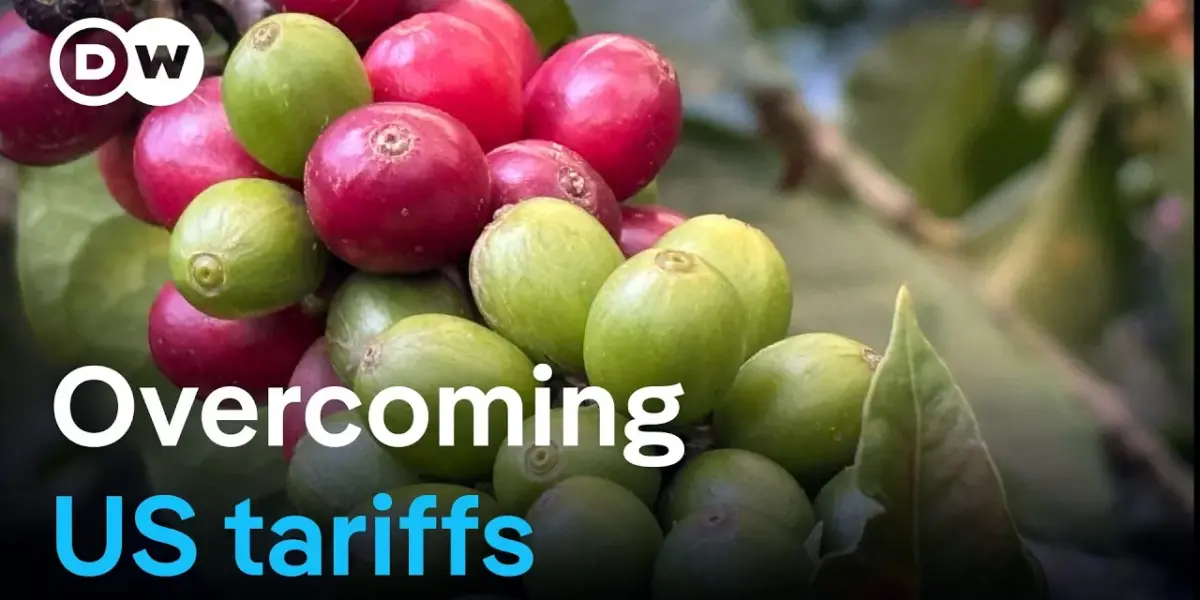
Colombian Coffee Farmers Face Tariff Uncertainty, Explore New Markets
BOGOTÁ, COLOMBIA – Colombia’s vital coffee sector, a cornerstone of its economy and its number one export, is navigating a turbulent period marked by international trade disputes and a strategic pivot towards new global markets. In 2025, coffee is projected to surpass oil in revenue, yet the path for farmers like Harold Andrade has been fraught with instability, largely due to external factors such as U.S. tariffs imposed under the Trump administration.
Andrade, a passionate coffee farmer from the Cauca region, voiced the widespread sentiment among producers: “It was crazy because it created even more uncertainty in a sector already very unstable due to prices.” The unpredictable nature of global commodity markets and the influence of foreign policy decisions weigh heavily on those who cultivate the land. Farmers are increasingly seeking to bypass the traditional export model, which often sees them selling raw beans at prices dictated by international buyers.
Adding Value to Secure a Better Future
For producers like Andrade, the ideal scenario involves direct engagement with consumers and buyers for processed products. “For us producers, ideally, we would find direct buyers for our processed products, not just raw beans,” he explained. By adding value to his coffee beans through processing, Andrade manages to secure a better return, selling approximately 10% of his coffee directly to consumers in the Bay Delawa region. He is part of a collective effort to expand this direct trade model, even envisioning attracting international paragliding tourists to his farm for a unique coffee experience.
However, this direct-to-consumer approach, while promising for individual farmers, is not a widespread solution for the majority of Colombian coffee producers aiming to reduce their reliance on the volatile U.S. market. The search for alternative markets remains a critical objective.
Asia Emerges as a Promising Frontier
The Colombian agricultural sector is actively pursuing opportunities in Asia, recognizing its potential as a significant emerging market. “We are focusing on Asia as an emerging market, a market where people don’t traditionally drink much coffee, but we want to get them interested,” stated an industry representative involved in market diversification efforts. This strategy acknowledges the long-term nature of cultivating new consumer habits but is seen as essential for reducing dependence on North America.
Despite these efforts, the U.S. market remains an indispensable partner for Colombian exports. Approximately a quarter of the region’s agricultural exports, including coffee, are destined for North America. This highlights the complex balancing act Colombian producers face: diversifying markets while maintaining crucial existing trade relationships.
Sugarcane Sector Eyes Venezuela’s Reopened Doors
Beyond coffee, the sugarcane industry in the Bay Delawa region also faces market fluctuations. Rio Pila, the area’s largest sugarcane producer, processes around 17,000 tons daily. The company’s operations are surprisingly modern, utilizing waste products to generate electricity for both its production needs and thousands of local households, as well as producing ethanol for fuel.
Rio Pila, like the coffee farmers, experienced apprehension regarding U.S. trade policies. “Right now the U.S. is our main market, but the EU is also important with about a 15% share,” a company spokesperson indicated. While Rio Pila exports sugar globally, with the U.S. accounting for 7% of its business, the company anticipates stability in the northern market despite past political uncertainties.
However, the industry’s gaze is also turning southward, towards a familiar and potentially lucrative partner: Venezuela. The reopening of trade relations with Venezuela presents a significant opportunity for Colombian businesses, particularly in the Bay Kauka region, which historically relied heavily on Venezuelan trade.
Rebuilding Historical Trade Ties
“This is a real opportunity. We used to be there. Now we’re looking at how we can win that market back,” a local business representative commented on the potential of re-establishing trade with Venezuela. Until 2008, Venezuela was the most important trading partner for Bay Kauka, absorbing 25% of its exports. The familiarity and established networks within the Venezuelan market make it an attractive prospect for companies seeking to diversify away from over-reliance on a single dominant market.
The lessons learned from past market vulnerabilities are driving this strategic push. Companies in Bay Delawa are actively seeking new avenues for their sugar and, crucially, their top export, coffee, underscoring a broader industry-wide effort to build resilience through market diversification and value addition.
Looking Ahead
As Colombia’s agricultural sector strives for greater stability and profitability, the coming years will be crucial. The success of strategies focusing on value addition, direct market access, and the cultivation of new international markets, particularly in Asia and the re-engagement with Venezuela, will determine the sector’s resilience against global economic headwinds and trade policy shifts. Continued investment in sustainable practices and innovative approaches to market penetration will be key to securing a prosperous future for Colombian farmers and producers.
Source: Colombia’s agriculture: Between tariffs and the search for new markets | DW Business (YouTube)

Related Articles


Policy Chaos Stifles Economy’s Natural Drive
The U.S. economy shows underlying strength, but constant policy disruptions are creating uncertainty and paralysis. From mixed housing and manufacturing data to a Federal Reserve stuck on hold, the administration's actions are hindering natural growth. This policy chaos is the primary obstacle to a more robust economic future.


China Halves African Tariffs, US Faces Diplomatic Shift
China has eliminated import duties for 53 African nations, a move framed as solidarity but seen by analysts as a geopolitical play amid shifting US trade policies. While Beijing positions itself as a better partner, the practical benefits for many African economies may be limited due to existing trade structures and production capacities.


India Attracts $67.5B AI Investment, Eyes Global Leadership
India is attracting over $67.5 billion in AI investments from tech giants, positioning itself as a global hub. Leveraging its vast data, diverse population, and engineering talent, the nation aims to lead in applied AI solutions for global markets.