Cuba Faces Crisis: US Sanctions Spark Fear Amid Economic Collapse
Cuba is facing severe economic hardship as U.S. sanctions, exacerbated by the cutoff of Venezuelan oil, lead to widespread shortages of food, medicine, and fuel. The situation sparks anxiety among citizens and raises questions about the future of U.S.-Cuban relations.

Cuba Reels Under US Pressure as Economy Teeters on Brink
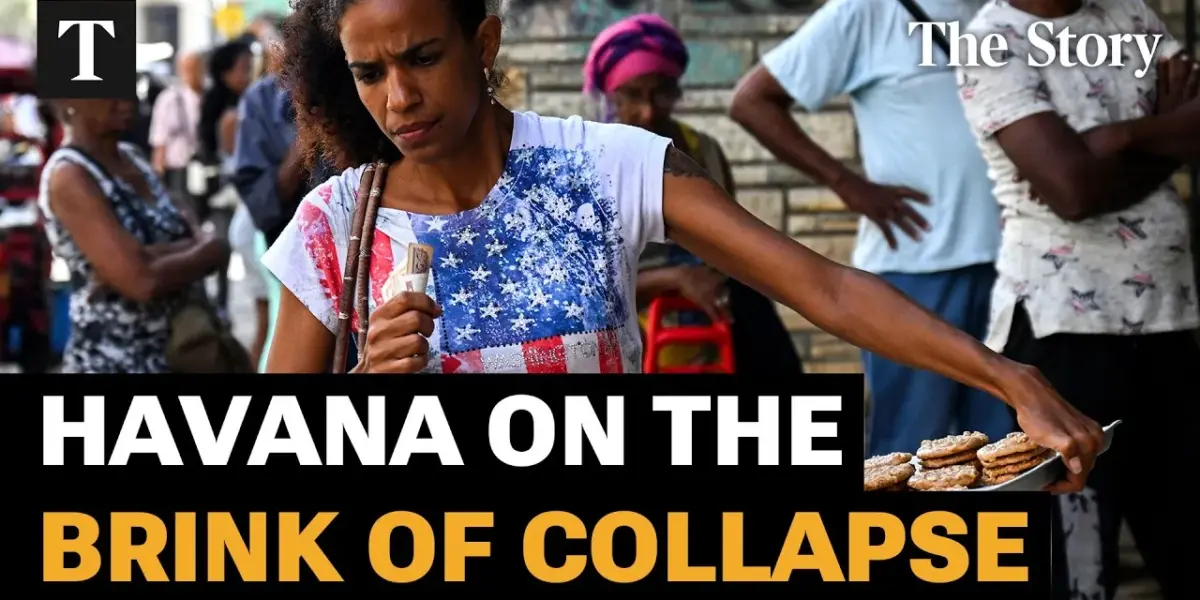
HAVANA, CUBA – The Cuban government is facing unprecedented pressure as the United States tightens sanctions, leading to widespread economic hardship and uncertainty among its citizens. The recent capture of Venezuelan President Nicolas Maduro by U.S. forces has severed a critical oil lifeline to Cuba, exacerbating an already dire situation characterized by frequent power outages, shortages of food and medicine, and cancelled medical procedures.
US Aims for Regime Change, Sparking Cuban Anxiety
President Donald Trump has declared that Cuba is in its “last moments of life,” signaling a potential shift in American foreign policy focus towards the island nation. This assertion comes as the U.S. administration seeks to isolate and pressure the Cuban regime, with actions against Venezuela seen as a precursor to a more aggressive stance on Cuba. The administration’s strategy appears to hinge on economic strangulation, aiming to force concessions or even regime change through crippling sanctions.
“They thought that once they got rid of Maduro and stopped anything going from Venezuela to Cuba, the next day the Cuban government would collapse. That hasn’t happened. Two months have passed already, more than two months, and that has not passed.”
– Rosie Wright, The Story podcast
On-the-Ground Reality: Empty Shelves and Strained Lives
Matthew Campbell, Features Editor for The Sunday Times, reported from Havana last week, painting a grim picture of daily life. “The pressure is on the Cuban people. Let’s not I mean they are cruel and perverse. No doubt about it. It’s cruel and perverse what they are doing with the Cuban people,” he stated, describing the impact of the U.S. policies.
Campbell observed a stark contrast to previous visits. Streets were eerily empty, with fewer cars on the road due to a crippling fuel shortage that has driven black market prices beyond the reach of most Cubans. While some with access to dollars can afford imported goods and electric vehicles, the majority rely on state-subsidized supplies, making life a constant struggle.
Medicine Shortages Hit Hardest
The scarcity extends to essential medicines, with pharmacies displaying empty shelves. Campbell recounted visiting a chemist in Havana where, despite a fading portrait of Fidel Castro, there was virtually nothing to sell. “The medicine shortage I think is crucial and it’s hard to see how that can be resolved anytime soon,” he noted.
Personal Accounts of Hardship
The impact on ordinary Cubans is profound. Rosario Cardanas, a dance company director, spoke of the difficulties in organizing rehearsals, as her dancers often have to walk miles to attend. A renowned drummer, who used to drive to his concerts, now relies on his bicycle, with his car parked at home due to fuel scarcity. This sentiment is echoed by many Cubans who state their cars are “parado” – parked and unusable.
Historical Context: A Long and Tense Relationship
The current crisis is rooted in decades of animosity between the U.S. and Cuba, dating back to the 1959 revolution led by Fidel Castro. The revolution ousted the U.S.-backed dictator Fulgencio Batista, nationalized American industries, and established a communist state. This move was met with fierce opposition from the United States, which responded with a comprehensive economic embargo that has persisted for decades.
The Bay of Pigs and Covert Operations
A significant early confrontation was the failed Bay of Pigs invasion in 1961, a U.S.-sponsored attempt by Cuban exiles to overthrow Castro. The invasion’s humiliating failure only solidified Cuban resistance and led the CIA to pursue more covert methods, including numerous assassination attempts on Fidel Castro, which are now largely viewed as bizarre and ultimately unsuccessful.
The Embargo: A Tool of Isolation
The U.S. embargo, designed to “strangle that country into submission,” has severely limited trade and travel between the two nations. This long-standing policy has aimed to isolate Cuba and force its government into compliance, a strategy that critics argue has disproportionately harmed the Cuban people while failing to achieve its political objectives.
Cuba’s Negotiating Position: Limited Options
Despite the U.S. pressure, Cuban President Miguel Diaz-Canel has confirmed that “conversations” are occurring between Cuban and American officials. However, according to former diplomat Carlos Alsugaray, Cuba has very limited negotiating power. “The Cuban government because of its own faults and its own mistakes has no option,” Alsugaray stated, pointing to the island’s failure to produce goods and services and its reliance on a state-controlled economy.
The Cuban economy, once reliant on tourism and Venezuelan oil, is now struggling to sustain itself. The U.S. likely seeks liberalization of the private sector and economic reforms that would benefit American interests, while Cuba’s primary objective would be the lifting of the U.S. embargo.
Potential Future Scenarios: Deal or Further Conflict?
The path forward remains uncertain. While President Trump has hinted at a potential “deal,” the specifics are unclear. Some analysts suggest that the U.S. may push for expanded private enterprise in Cuba, not for humanitarian reasons, but for economic gain for the U.S. The risks of further U.S. intervention are significant, potentially leading to a refugee crisis as Cubans flee the island in search of better opportunities.
There is also a lingering fear of military intervention, though many deem it unlikely given the lack of a significant military threat from Cuba. The current U.S. strategy appears to be a calculated economic squeeze, aiming to force the Cuban regime to the negotiating table. However, the historical resilience of the Cuban government and the potential for unintended consequences, such as increased hardship for the civilian population, remain critical factors.
What’s Next for Cuba?
As tensions rise, the Cuban people remain caught in the middle, bearing the brunt of both their government’s policies and external pressures. The coming months will be crucial in determining whether diplomatic channels can alleviate the crisis or if the island nation will face further escalation of U.S. pressure, with potentially devastating consequences for its population.
Source: Is Cuba The Next Flashpoint In American Foreign Policy? (YouTube)

Related Articles
China Fights Back: Tariffs Loom Ahead of Trump Visit
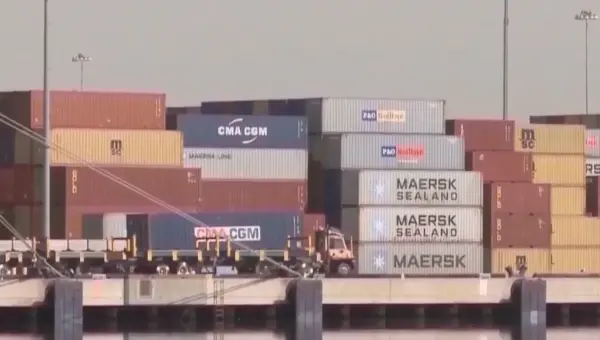
China is retaliating against US trade investigations that could lead to higher tariffs. This escalating trade tension occurs just before a planned visit by President Trump. The dispute involves accusations of unfair practices and impacts global supply chains.

Israelis Forge Resilience Amidst Constant Bomb Shelter Drills
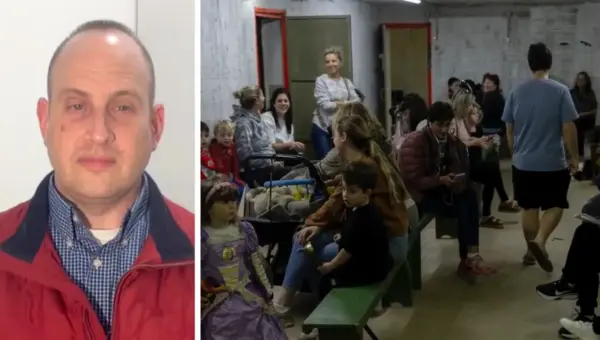
Life in Israel is a blend of resilience and constant vigilance, with many families adapting to frequent bomb shelter drills and even sleeping in makeshift shelters. Despite ongoing missile attacks, Israelis strive to maintain normalcy, though businesses face disruption and emotional fatigue is a growing concern.

Israel Escalates Iran Strikes, Warns of Wider War
Israel has launched significant strikes inside Iran following continued missile fire, warning of further escalation. The conflict risks wider regional instability and economic disruption, especially concerning the Strait of Hormuz.