Iran War Escalates: Oil Prices Soar, US Faces Global Scrutiny
The war in Iran escalates into its third week, claiming US lives and driving oil prices over $100 a barrel. Global markets react nervously as Iran threatens the Strait of Hormuz, while the US braces for continued high gas prices. Extreme weather also grips the nation, from blizzards to heatwaves.

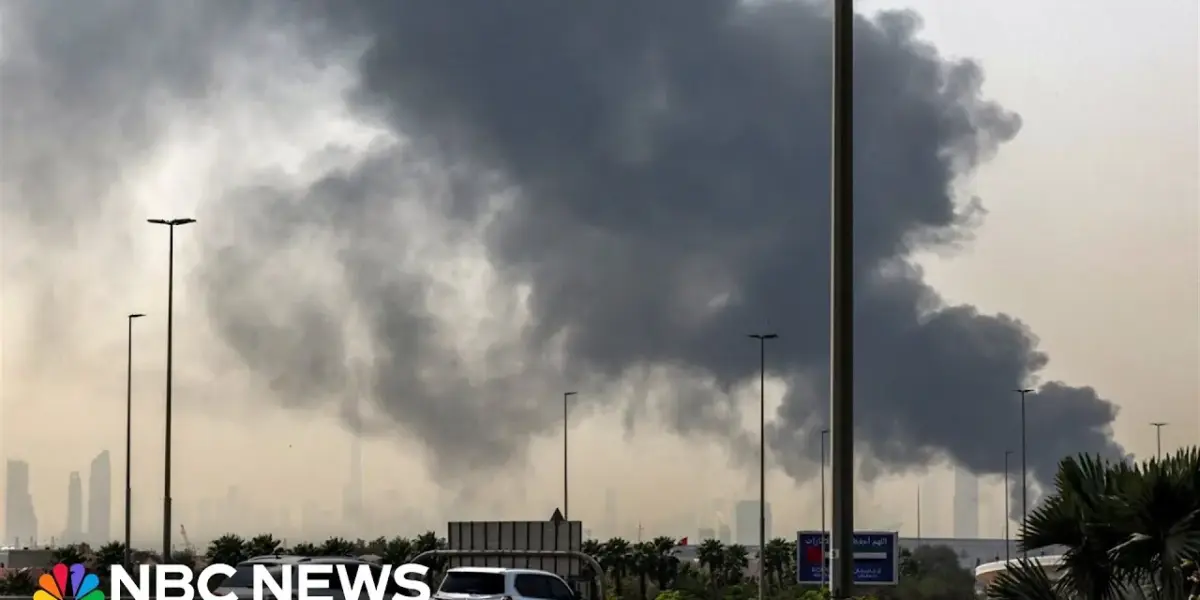
Iran Conflict Deepens, Claiming US Lives and Global Economic Stability
The ongoing war with Iran has entered its third week, marked by the tragic loss of six U.S. crew members whose military refueling plane crashed in Iraq. This incident brings the total U.S. service personnel killed since the conflict began on February 28th to 12, with an additional service member succumbing to a medical issue. As the conflict intensifies, Iran continues to threaten shipping in the critical Strait of Hormuz, sending shockwaves through global energy markets and pushing crude oil prices above $100 a barrel once again.
Global Markets React to Strait of Hormuz Threats
The escalating tensions in the Strait of Hormuz have prompted cautious reactions from both allies and rivals of the United States, including China and France. These nations are closely monitoring President Trump’s call for international cooperation in policing and protecting the vital waterway. U.S. Energy Secretary Chris Wright indicated on Sunday that there is a strong possibility of gasoline prices dropping below $3 a gallon by the summer, predicting that the U.S. will effectively dismantle Iran’s influence over global energy supplies within weeks. This projection comes as national average gasoline prices climbed from $2.95 per gallon on March 1st to $3.70 by Saturday, according to GasBuddy.
Military Operations and Iranian Retaliation
Reports from Tel Aviv indicate that Israeli Defense Forces conducted strikes on over 200 targets across western and central Iran over the weekend. These targets reportedly included command centers, defense systems, and weapon production sites. While details remain scarce, there have been indications of Iranian retaliatory fire, with air raid sirens heard regularly in the region.
Energy Secretary Projects War’s End and Economic Outlook
U.S. Energy Secretary Chris Wright, speaking on Meet the Press, suggested that the conflict with Iran could conclude within a few more weeks. He stated that the administration’s initial goal was to neutralize Iran’s military capabilities over a 4 to 6-week period, focusing on destroying its navy, air force, and long-range missile capabilities. “The military performance has been outstanding, but it’s just critical for the world and critical for the United States that we remove this growing threat from Iran, defang their ability to reign terror on their neighbors and the world,” Wright remarked.
President Trump’s Stance on Negotiations
President Trump, in an interview with NBC News, indicated that while Iran desires a deal, he is not yet ready to negotiate, citing unfavorable terms. He elaborated that any agreement would require Iran to abandon its nuclear ambitions. However, Iran’s Foreign Minister, in a separate interview with CBS, appeared to contradict the President, stating that Iran has not sought a ceasefire or negotiations.
Economic Ripples: Gas Prices and Supply Chain Concerns
The surge in oil and gas prices is a significant concern for American consumers. Secretary Wright acknowledged that Americans should anticipate elevated prices at the pump for several more weeks. President Trump, however, expressed optimism about long-term gas prices, suggesting they would eventually return to previous levels. He attributed current price hikes to a temporary “clogging up” of oil and gas supplies that he believes will be resolved soon. The disruption in the Strait of Hormuz is impacting not only oil prices but also potentially increasing costs for air travel, plastics, chemicals, and even food as supply chains are rerouted.
FCC Chair Faces Backlash Over Broadcast License Threats
FCC Chair Brendan Carr has drawn significant criticism for threatening to revoke broadcast licenses over what he termed “news distortions” regarding the war with Iran. Carr’s statements, shared on X, were met with strong opposition from Democratic lawmakers, who decried them as authoritarian and an attack on the free press. Senator Elizabeth Warren called the actions “straight out of the authoritarian playbook,” while Senator Chris Murphy stated, “We are not on the verge of a totalitarian takeover. We are in the middle of it.” The controversy is expected to be closely monitored as Carr’s next steps are unclear.
Extreme Weather Grips the Nation
Beyond the geopolitical tensions, the United States is experiencing a stark contrast in weather patterns. Hawaii is grappling with major flooding due to a powerful Pacific storm, leading to the destruction of homes. Meanwhile, the Midwest is enduring severe storms with powerful winds and blizzard conditions. South Dakota is experiencing snowfall rates of nearly four inches per hour, creating whiteout conditions. The severe weather system is also impacting the East Coast, with tornado warnings issued in several states and significant flight delays reported. In stark contrast, the Western U.S. is facing record-breaking heat, with temperatures expected to remain in the 80s and 90s throughout the week.
Elon Musk’s Department of Government Efficiency Under Scrutiny
Newly released deposition videos from former staffers of Elon Musk’s Department of Government Efficiency (DOGE) have gone viral. These depositions are tied to a civil lawsuit alleging that DOGE violated the First Amendment by canceling over 1400 grants for arts, history, and education projects. Former employees testified about efforts to identify and eliminate Diversity, Equity, and Inclusion (DEI) programs, with one staffer admitting to using ChatGPT for this purpose. The government argued that the staffer was harassed and received death threats due to the videos, leading a judge to order their removal from public platforms. Despite claims of significant savings, DOGE did not achieve its stated goal of eliminating the federal deficit before its dissolution.
Looking Ahead
As the conflict in Iran continues to unfold, global markets and diplomatic relations remain in a state of flux. The economic impact, particularly on energy prices, will be a key area to watch in the coming weeks. Simultaneously, the nation continues to navigate extreme weather events and ongoing political discussions surrounding media freedom and government efficiency. All eyes will be on President Trump’s next moves regarding potential negotiations with Iran and the broader international response to the crisis.
Source: This Morning’s Top Headlines – March 16 | Morning News NOW (YouTube)

Related Articles

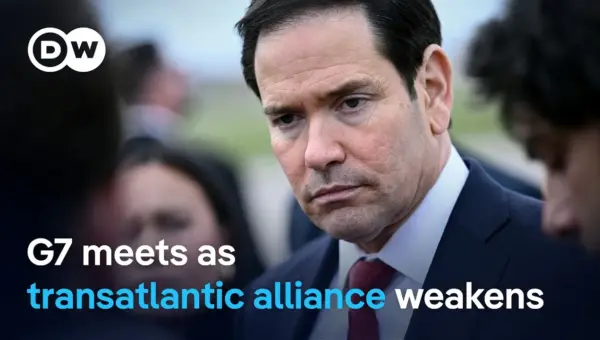
G7 Allies Clash Over Iran War Strategy, Urge Focus on Russia
G7 foreign ministers met in Paris, revealing deep divisions over the U.S. war with Iran. European allies urged the U.S. to pressure Russia, linking its actions to the conflict and fearing support for Ukraine will wane.

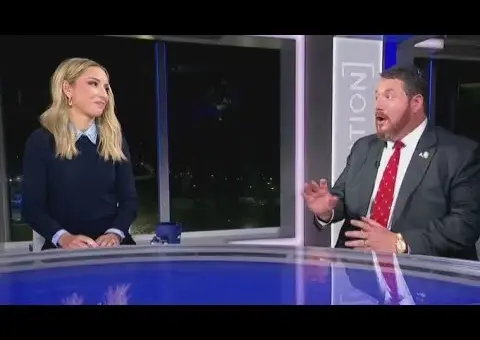
House Republicans Reject Senate Deal, Sparking Government Funding Clash
House Republicans have rejected a Senate bill to end the government shutdown, citing insufficient border security measures. Congressman Randy Fine called the Senate deal a "disgrace" and highlighted the ongoing fight for full government funding. President Trump's executive order to pay TSA agents offers temporary relief, but the core disagreement over border security continues to paralyze Washington.


Iran War Exodus: Refugees Flee to Turkey Amidst Bombings
A train from Tehran brings refugees to Turkey, fleeing daily bombings and economic collapse. Many express deep fear for loved ones left behind, while some hold onto national pride and hope for victory. The conflict's impact is also felt economically in Turkey, with rising gas prices.