Gen. Hertling Questions Trump’s Military Values
Retired Army Lieutenant General Mark Hertling expressed deep concerns about current military leadership's alignment with national values, questioning President Trump and Secretary of Defense Pete Hegseth's guiding principles. His new book, "If I Don’t Return," offers personal reflections on leadership and the potential disconnect between political and professional military spheres.

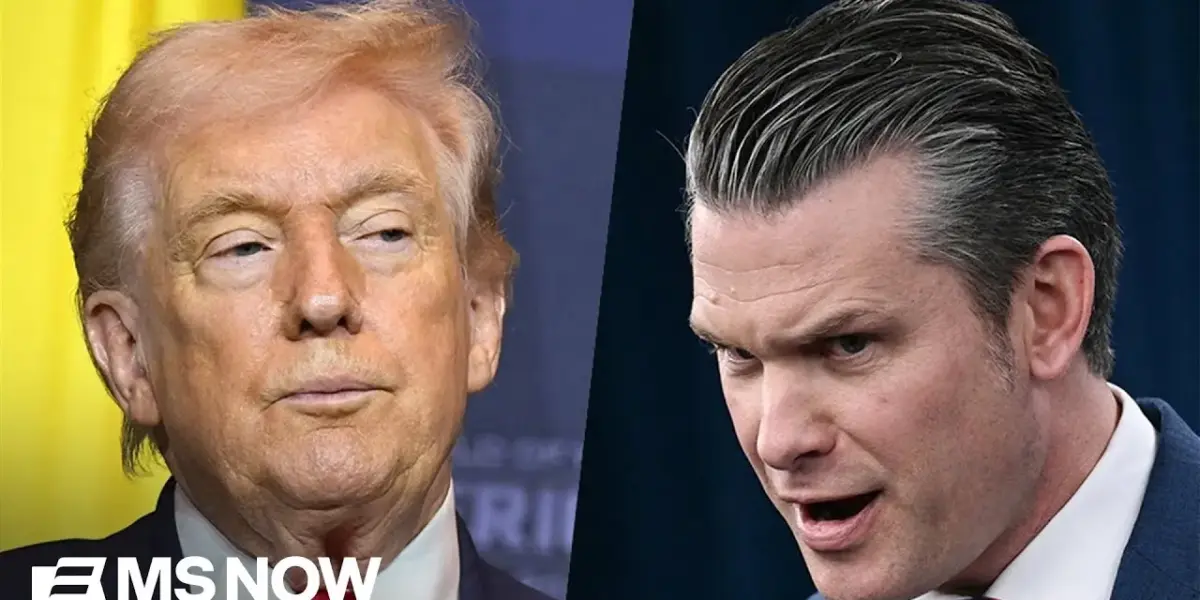
Hertling’s Stark Warning on Leadership and Values
Retired Army Lieutenant General Mark Hertling, a decorated veteran with 38 years of service and three combat deployments, has voiced profound concerns regarding the current state of military leadership and its alignment with national values. Speaking with Nicolle Wallace on MSNBC’s “The Best People,” Hertling became emotional discussing his experiences and the motivations behind his new book, “If I Don’t Return.” This collection of personal letters to his sons, penned during his service with the grim possibility of not returning home, offers a raw glimpse into the mindset of a soldier confronting the realities of war.
A Transformative War Experience and Leadership Vision
Hertling recounted a pivotal moment during his military career that fundamentally altered his perspective, though the specific details remain within the book. He elaborated on his vision of leadership, emphasizing principles that transcend the battlefield and are applicable across all professional domains. “Leadership is about trust, it’s about competence, it’s about character,” Hertling stated, underscoring the foundational elements he believes are essential for effective command.
However, his optimism for leadership principles is tempered by a deep-seated apprehension about the current administration’s understanding of military missions. While acknowledging that active-duty generals serve at the pleasure of the President elected by the people, Hertling expressed that the present leadership within the White House and the Pentagon appears disconnected from the core objectives and ethos of the armed forces. “There’s a disconnect,” Hertling observed, “between the political leadership and the professional military. And that disconnect can lead to very dangerous situations.”
Challenging Trump and Hegseth on Core Values
The retired general specifically called out actions by President Donald Trump, warning that they are venturing into “dangerous territory.” Hertling’s primary concern centers on what he perceives as a lack of clarity or a divergence in core values between the Commander-in-Chief, the Secretary of Defense, and the military itself. He questioned the values of both President Trump and Secretary of Defense Pete Hegseth, implying a need for greater transparency and alignment on fundamental principles.
“What are the values that guide their decisions?” Hertling posed, articulating a question that resonates beyond the military sphere and into the broader implications of civilian control over the armed forces. He suggested that a leader’s values are not merely personal preferences but have direct consequences on policy, strategy, and the morale of service members. The absence of a clear, shared value system, Hertling implied, can undermine military effectiveness and public trust.
“Leadership is about trust, it’s about competence, it’s about character.” – Gen. Mark Hertling
Broader Implications for Civil-Military Relations
Hertling’s candid remarks highlight a critical juncture in civil-military relations. The military operates under the principle of civilian control, meaning that elected officials ultimately direct military policy and actions. This system relies heavily on mutual understanding, respect, and a shared commitment to democratic values and national security objectives. When this alignment falters, as Hertling suggests it may be, the potential for miscalculation and unintended consequences increases significantly.
The selection of military leaders, particularly the Secretary of Defense, is a crucial aspect of this relationship. Pete Hegseth, a prominent conservative media figure before his appointment, brings a different background to the Pentagon compared to many of his predecessors. Hertling’s questioning of Hegseth’s values suggests a concern that a lack of deep, professional military experience or a different ideological framework might not adequately prepare him to bridge the gap between political directives and military realities.
The book, “If I Don’t Return,” serves as a poignant reminder of the personal sacrifices made by those in uniform and the profound responsibility that leaders, both military and civilian, bear. Hertling’s decision to share these intimate reflections underscores his belief that leadership is rooted in deeply held principles and a commitment to those under one’s command. His critique of the current leadership is not merely an academic exercise but a heartfelt plea for a return to foundational values that he believes are essential for the nation’s security and the well-being of its service members.
Looking Ahead
General Hertling’s concerns signal a crucial period for introspection within the U.S. military and its relationship with civilian leadership. The coming months will likely reveal whether the perceived disconnect he has identified will be addressed, and how the fundamental values guiding military decisions will be articulated and upheld. The public, service members, and policymakers alike will be watching closely to see how these tensions between political direction and professional military ethos are navigated, particularly as global challenges continue to demand a unified and principled national security apparatus.
Source: What are your VALUES? Gen. Mark Hertling questions Trump and Hegseth (YouTube)

Related Articles

House Funds DHS Short-Term, Senate Stalemate Looms
The House has passed a short-term bill to fund the Department of Homeland Security, but the Senate is expected to reject it. This temporary measure highlights ongoing political divisions and the challenges in reaching long-term budget agreements in the U.S. Congress.

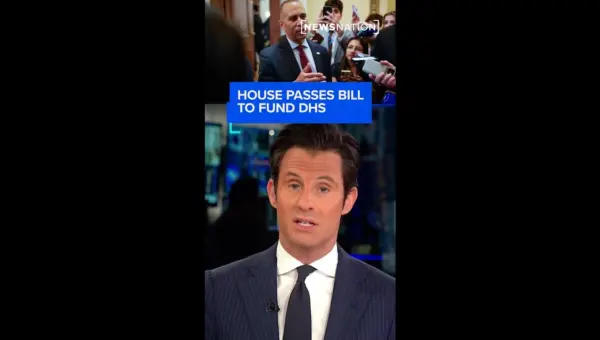
Congress Stalemate Threatens Border Security Funding
The U.S. House passed a temporary funding bill for the Department of Homeland Security, but Senate Democrats are expected to block it. This recurring stalemate highlights deep divisions over border policy and funding, potentially impacting national security and international perceptions of U.S. stability.
Polls Spell Doom: Republicans Face Voter Backlash
New polling data reveals a sharp decline in public confidence regarding the economic impact of Republican policies, particularly under Donald Trump. A significant majority now feel financially worse off, a trend that is especially pronounced among independent voters. This economic discontent poses a major challenge for the Republican party heading into future elections.