Listen to Your Body: A Heart Attack Survivor’s Story
A patient's life was saved thanks to her primary care physician's vigilance and her own willingness to seek medical help. This story highlights the diverse symptoms of heart attacks, particularly in women, and the importance of not dismissing subtle bodily signals.

Listen to Your Body: A Heart Attack Survivor’s Story
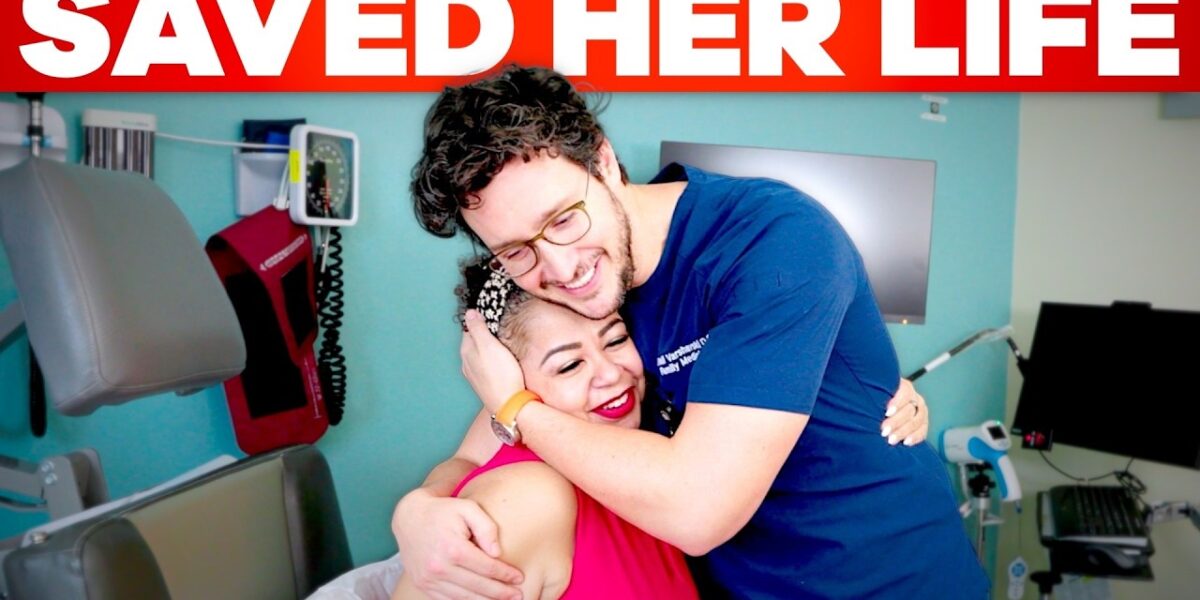
A recent patient encounter highlighted the critical importance of heeding subtle bodily signals and the vital role of attentive primary care. Rachelle Denis-Morisseau, a patient who experienced a life-threatening event, shares her story, emphasizing that she is “really lucky to be alive.” Her experience underscores how crucial it is for both patients and healthcare providers to recognize that heart attack symptoms can differ significantly, especially in women, and to act swiftly when in doubt.
A Night of Unsettling Symptoms
The ordeal began for Rachelle around 4:00 a.m. one morning. She awoke with a disturbing tightness in her chest, accompanied by difficulty breathing, nausea, and pain radiating down her left arm. Describing the sensation as if someone was pressing on her chest, she struggled to catch her breath. Although the symptoms were intense, she initially struggled to pinpoint exactly what was wrong, and they eventually subsided. This initial episode, though concerning, was not immediately recognized as a heart attack.
The Primary Care Visit: A Moment of Vigilance
A few days later, Rachelle visited her primary care physician, Dr. Denis-Morisseau, for a recurring back issue. During their routine consultation, she mentioned the unsettling episode from a few days prior. Dr. Denis-Morisseau, who has been Rachelle’s physician for many years, noticed not only the described symptoms—chest tightness, shortness of breath, nausea, and arm discomfort—but also Rachelle’s emotional reaction to them. This combination prompted Dr. Denis-Morisseau to deviate from the planned visit.
“Hold on a second. I think we should change the visit from focusing on your low back and to focus on this issue,” Dr. Denis-Morisseau recalls saying. “Not only do the symptoms that you’re talking about trigger a lot of tests and things I need to ask in my mind. You also seem to be quite emotional about these symptoms.”
Recognizing the potential seriousness, an electrocardiogram (EKG) was immediately performed. While the EKG showed some non-specific changes that were different from Rachelle’s previous EKGs, there were no clear, critical indicators of a current heart attack. However, Dr. Denis-Morisseau’s intuition told her something was amiss. “I don’t like this. Let’s do a cardiac consult,” she insisted.
Patient Hesitation vs. Physician Urgency
Rachelle, experiencing no active symptoms at the time, was hesitant. “My symptoms are gone. I think we can move on. If it comes back, maybe then I’ll go,” she urged. This is a common reaction, especially when symptoms have resolved, but Dr. Denis-Morisseau persisted, explaining the need for further evaluation. She secured an urgent referral to a cardiologist, obtaining Rachelle’s promise to make an appointment.
When Rachelle came in the following week, she mentioned that she had made an appointment, but it was several months away. This response alarmed Dr. Denis-Morisseau, who had requested an urgent consultation. Understanding the gravity of the situation, Dr. Denis-Morisseau contacted a cardiologist friend, Dr. Fishberg, to arrange an earlier appointment for Rachelle.
Diagnosis and the Reality of a Heart Attack
The urgent cardiac evaluation included an echocardiogram and a stress test. While the stress test showed some difficulty breathing during exercise, Rachelle’s heart function appeared normal on the test itself. However, the echocardiogram revealed a more concerning picture: the top part of her heart’s ventricle was pumping strongly, but the bottom part was sluggish. This finding, described as “moderate basal inferior hypokinesis” (a section of the heart muscle not moving normally), led to the diagnosis of a heart attack.
Further investigation with a CT angiography (CTA) scan, which visualizes blood flow through the arteries, identified a significant blockage. “Over 70% occlusion,” the report stated. Rachelle, with her medical background, understood the implications: a severe blockage in a coronary artery was starving the heart muscle of oxygen, leading to damage.
The blockage in her right coronary artery was ultimately found to be over 90%. “When I tell you I’m lucky to be alive, I am really lucky to be alive,” she reiterated, processing the near-fatal event. She subsequently underwent a catheterization procedure to place a stent, received appropriate medical therapy, and began cardiac rehabilitation.
A Wider Perspective: Women and Heart Health
During her cardiac rehabilitation, Rachelle noticed a striking demographic: the room was predominantly filled with men. When she inquired, a nurse explained, “The women take care of everybody else but themselves.” This observation resonated deeply with Rachelle, who realized that in prioritizing her responsibilities, she had overlooked her own health needs.
This experience also shed light on a broader issue: the underdiagnosis and undertreatment of heart disease in women. Historically, the classic description of a heart attack—an “elephant sitting on your chest”—has been more representative of male experiences. Research has shown that women’s symptoms can be more varied and subtle, including fatigue, nausea, indigestion, and shortness of breath, which are often dismissed as anxiety or other less critical conditions. This has contributed to worse outcomes for women with cardiovascular disease.
Dr. Denis-Morisseau emphasized this point, stating, “For so many years, we’ve been missing all of these heart attacks in women, and as a result, we’ve been getting worse outcomes.” She advocates for greater awareness and for women to “take their heart health seriously.”
The Power of Patient-Provider Communication and Awareness
Rachelle’s story highlights the importance of open communication and a physician’s ability to perceive subtle cues. Dr. Denis-Morisseau’s “small perception” of Rachelle’s emotion, combined with her medical knowledge and persistence, was pivotal. “If I was just an urgent care provider seeing her for the first time, it would have been so easy to just write it off because she herself was writing it off,” she admitted.
The narrative also underscores the impact of accessible health information. Another patient shared how watching Dr. Mike’s videos, which discuss heart attack symptoms in women, enabled them to recognize their mother’s heart attack. Their mother’s symptoms were atypical, and without the prior knowledge gained from the videos, the family might have mistaken it for a panic attack, potentially delaying critical care.
Rachelle’s own experience with sleep apnea, where breathing stops during sleep, added another layer of risk. Combined with a compromised heart, she acknowledged, “I could have easily passed in my sleep.” Her survival is a testament to listening to her body, seeking medical attention, and having a vigilant healthcare provider.
Key Health Takeaways
- Recognize Atypical Heart Attack Symptoms: Women may experience symptoms differently than the classic “elephant on the chest.” Be aware of chest tightness, nausea, shortness of breath, pain in the arm, jaw, or back, dizziness, and unusual fatigue.
- Don’t Dismiss Subtle Signals: If you experience concerning symptoms, even if they are mild or intermittent, seek medical evaluation. Don’t downplay your symptoms or let others dismiss them.
- Advocate for Your Health: If you feel something is wrong, speak up. If your concerns are not fully addressed, consider seeking a second opinion or ensuring you have appropriate follow-up.
- Primary Care is Crucial: Regular check-ups with a primary care physician who knows your history can be vital for identifying potential health issues early.
- Women Need to Prioritize Heart Health: Be proactive about your cardiovascular health. The nurse’s observation that women often care for everyone else but themselves is a critical reminder.
This article is for informational purposes only and does not constitute medical advice. Always consult with a qualified healthcare professional for any health concerns or before making any decisions related to your health or treatment.
The information presented is based on the shared experiences and medical insights of Rachelle Denis-Morisseau and Dr. Rachelle Denis-Morisseau, as presented in the original transcript. Concepts related to anatomy were illustrated using imagery from Elsevier’s Complete Anatomy library.
Source: Arguing With My Patient Saved Her Life (YouTube)

Related Articles

German Women Seek Fertility Treatment Abroad Due to Egg Donation Ban
German women are traveling abroad to undergo egg donation procedures due to a national ban, forcing them to seek fertility treatments outside the country. While some propose limited legalization, concerns about exploitation and the effectiveness of proposed laws persist.

Foreign Aid’s Ideological Twist Fuels Global Distrust
Pushing ideological agendas through foreign aid can backfire, creating distrust and harming vulnerable populations, especially women and girls. Valerie Huber advocates for respecting national sovereignty and fostering genuine partnerships in international development.


Lupita Nyong’o Fights for Fibroid Awareness and Research Funding
Actress Lupita Nyong'o and Senator Angela Also Brooks are championing the "uFight" bill to increase funding and access for uterine fibroid research and treatment. Nyong'o shared her personal struggle with the condition, highlighting the lack of advancements and the need for broader reproductive health conversations beyond abortion. The bipartisan effort aims to address a health crisis affecting millions of women.