Trump Urges Allies to Patrol Strait of Hormuz Amid Tensions
President Donald Trump is urging Asian and NATO allies to send warships to patrol the Strait of Hormuz amid rising tensions with Iran. The US leader warned that a lack of cooperation could harm the future of NATO, highlighting the critical importance of the waterway for global oil supplies.

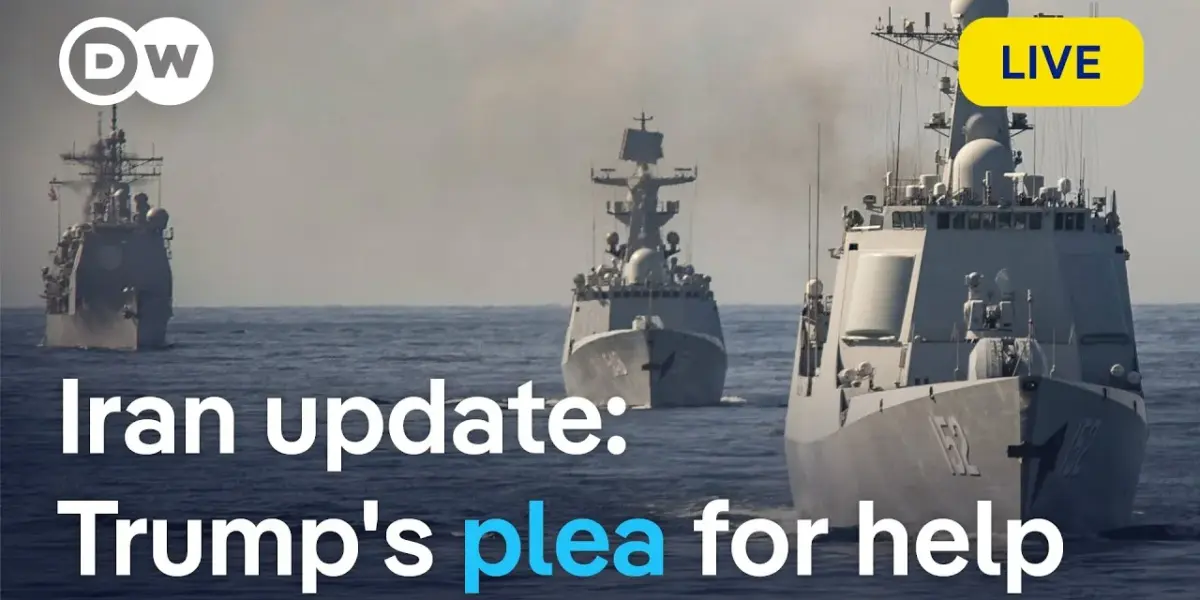
US President Demands Allied Naval Support for Critical Waterway
Washington is intensifying its diplomatic push for international naval cooperation to secure the Strait of Hormuz, a vital chokepoint for global oil supplies, with President Donald Trump directly appealing to both Asian and NATO allies to contribute warships. The demand comes amid escalating tensions with Iran and growing concerns over the potential economic repercussions of any disruption to maritime traffic in the Persian Gulf.
Escalating Pressure on Allies
In a recent public statement, President Trump articulated the urgency of the situation, warning that a lack of a positive response from allies would have significant negative implications for the future of the North Atlantic Treaty Organization (NATO). “If there’s no response or if it’s a negative response, I think it will be very bad for the future of NATO,” Trump stated, underscoring the administration’s view that collective security and economic stability are intrinsically linked.
The call extends beyond traditional Western allies, with President Trump also suggesting that China, a major consumer of global oil, should participate in efforts to ensure the safe passage of vessels through the Strait of Hormuz. This suggestion highlights the administration’s belief that the responsibility for maintaining this critical maritime route should be shared among major global powers, particularly those with substantial economic interests in the region.
The Strategic Importance of the Strait of Hormuz
The Strait of Hormuz, a narrow waterway connecting the Persian Gulf to the Gulf of Oman, is one of the world’s most strategically important maritime chokepoints. Approximately 30% of the world’s oil traded by sea passes through this vital corridor daily. Any significant disruption, whether through political instability, military conflict, or a de facto blockade, could trigger severe global economic consequences, including sharp increases in oil prices and widespread supply chain disruptions.
Iran has previously threatened to disrupt shipping in the Strait of Hormuz in response to external pressure, raising fears of a potential escalation that could impact not only regional stability but also the global economy. The US, along with many of its allies, views the free flow of commerce through the Strait as a matter of international security and economic necessity.
Allies’ Dilemma: Balancing Interests
The US request places its allies in a complex geopolitical position. Many nations, while sharing concerns about freedom of navigation and global economic stability, are hesitant to directly confront Iran or become entangled in a potential military standoff. These countries often maintain significant economic ties with Iran and may prefer diplomatic solutions or de-escalation strategies.
For NATO allies, the decision to commit naval assets to the Strait of Hormuz involves navigating a delicate balance between their security commitments to the alliance, their individual national interests, and their relationships with both the United States and Iran. The potential for increased regional tensions and the risk of retaliatory actions are significant considerations.
Similarly, Asian allies, many of whom are heavily reliant on Middle Eastern oil, face the challenge of ensuring their energy security without alienating key trading partners or provoking conflict. The economic stakes for these nations are exceptionally high, making any decision regarding naval deployment a calculated one.
Potential Responses and Future Outlook
The coming weeks and months will be crucial in determining the extent of international cooperation in securing the Strait of Hormuz. The response from Asian and NATO allies to President Trump’s call will be closely watched, not only for its impact on regional security but also for its implications for the future of international alliances and global trade dynamics.
The effectiveness of any multinational naval presence will depend on the scale of commitment, the clarity of the mission, and the degree of coordination among participating nations. Diplomatic efforts to de-escalate tensions with Iran and find a peaceful resolution to the current standoff are also paramount. The world watches to see if a unified front can be established to safeguard this critical global waterway.
Source: Will Asian and NATO allies secure the Strait of Hormuz? | DW News (YouTube)

Related Articles

G7 Allies Clash Over Iran War Strategy, Urge Focus on Russia
G7 foreign ministers met in Paris, revealing deep divisions over the U.S. war with Iran. European allies urged the U.S. to pressure Russia, linking its actions to the conflict and fearing support for Ukraine will wane.
Iran Blocks China Ships, Exposing Beijing’s Weak Grip
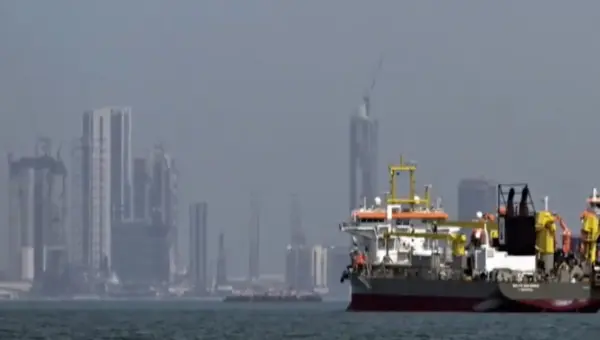
Iran's recent decision to block Chinese ships at the Strait of Hormuz is exposing the limits of Beijing's influence in the Middle East. This action is causing delays and cancellations for Chinese manufacturers, turning a perceived geopolitical win into an economic strain.
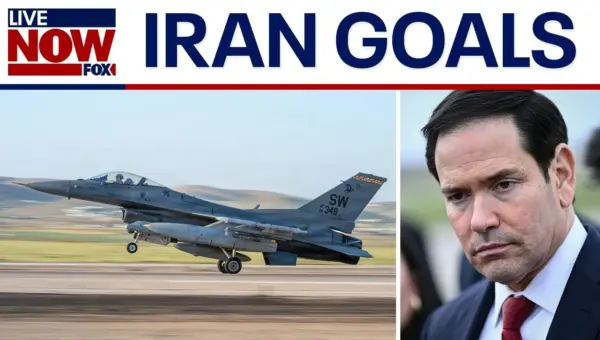
Rubio: US Can Achieve Iran War Goals Without Troops
Senator Marco Rubio outlined a strategy to counter Iran without deploying U.S. ground troops, focusing on weakening the regime and enhancing maritime security. He also criticized Cuba's economic system and expressed concerns about West Bank violence.