Understanding Medical Jargon: Insights from ‘The Pitt’ Season 2
Explore key medical terms and concepts from 'The Pitt' Season 2, Episode 3. Learn about medication safety, trauma response, neurological assessments, and rare conditions like Hypokalemic Periodic Paralysis and ITP, explained in accessible language.

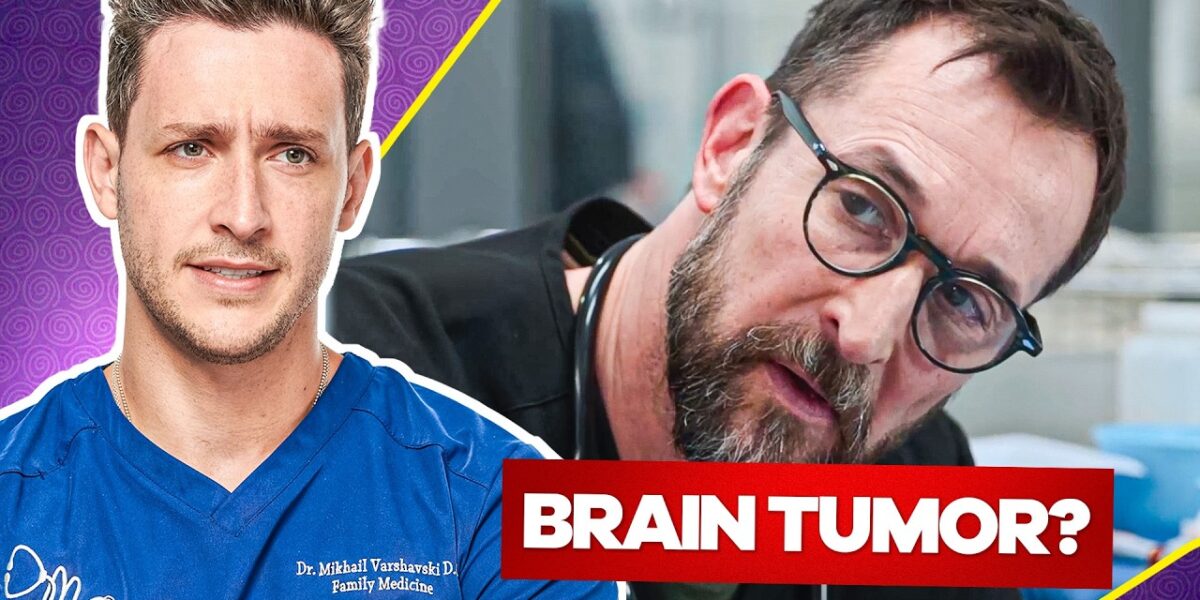
Decoding Medical Terms: What ‘The Pitt’ Reveals About Healthcare
The medical drama series ‘The Pitt’ offers a dramatized yet insightful glimpse into the fast-paced world of emergency medicine. While fictionalized, the show often touches upon real medical concepts, procedures, and ethical considerations that healthcare professionals navigate daily. This article breaks down some of the key medical terms and scenarios presented in Season 2, Episode 3, providing context and clarity for viewers.
Medication Safety and Cardiac Health
The episode opens with a scene involving the administration of antipsychotic medications, specifically olanzapine and droperidol, to sedate a patient. The dialogue highlights a critical aspect of medication safety: the potential impact on heart rhythm. The mention of checking the QT interval before administering certain drugs like droperidol is crucial.
The QT interval represents the time it takes for the heart’s ventricles to repolarize after an electrical impulse. A prolonged QT interval can increase the risk of a dangerous heart rhythm disturbance called Torsades de Pointes, a type of polymorphic ventricular tachycardia.
This scenario highlights the importance of understanding a patient’s baseline cardiac health before prescribing certain medications, especially those known to affect cardiac electrophysiology. Antipsychotic medications, while effective for managing agitation and psychosis, can have side effects that require careful monitoring.
Trauma and Initial Assessment
The episode features several trauma cases, illustrating the immediate steps taken in an emergency department. When a patient presents with an injury, such as a laceration or impalement, the medical team performs a rapid assessment. This often includes:
- Vital Signs: Measuring heart rate, blood pressure, respiratory rate, and oxygen saturation (pulse oximetry) to gauge the patient’s stability. Reassuring vitals, like a heart rate of 89 and pulse oximetry of 97%, indicate the patient is currently stable.
- Physical Examination: Assessing the extent of injuries, like a small laceration that can be closed with dermabond (skin glue) or a taser electrode that, surprisingly, might only require a simple bandage.
- Laboratory Tests: Ordering a battery of blood tests, including a Complete Blood Count (CBC), Comprehensive Metabolic Panel (CMP), urinalysis (UA), blood alcohol level, and toxicology screen. These tests help identify potential infections, electrolyte imbalances, organ function, and the presence of substances that might be contributing to the patient’s condition.
For more severe trauma, such as a motorcycle accident involving an open skull fracture, a more extensive workup is initiated. This includes a ‘pan-scan,’ which typically refers to a full-body CT scan, and assessment of the ABCDEs (Airway, Breathing, Circulation, Disability, Exposure) to ensure no life-threatening injuries are missed.
Understanding Critical Conditions: Cardiac Arrest and Neurological Damage
The show depicts a severe motorcycle accident victim who is pulseless and has an open skull fracture with significant blood loss. The immediate response involves Cardiopulmonary Resuscitation (CPR) and fluid resuscitation with Normal Saline (NS).
The dialogue explains that while IV fluids help restore intravascular volume and blood pressure, they are insufficient when a patient has lost a substantial amount of red blood cells. Blood transfusions are essential in such cases to restore oxygen-carrying capacity.
The mention of ‘blown pupils’ (fixed and dilated pupils) is a critical indicator of severe neurological damage, often due to increased intracranial pressure or direct brain injury. This finding, coupled with the extensive skull trauma, leads to the difficult decision to call time of death.
Neurological Assessment and Spinal Injuries
In another scenario, a patient involved in a motor vehicle accident presents with altered mental status and weakness. The Glasgow Coma Scale (GCS) is mentioned as a tool to assess neurological function.
A GCS score of 8 or less typically indicates severe brain injury and warrants intubation to protect the airway. The decision to intubate is based on the patient’s ability to protect their airway, including gag reflex and respiratory effort.
The discussion around potential spinal cord injury is also informative. While CT scans are excellent for identifying fractures, they may not always reveal subtle spinal cord injuries like a spinal cord contusion (bruise). In such cases, an MRI might be necessary to visualize the spinal cord itself and identify swelling or damage that can cause neurological deficits, including paralysis.
Brain Tumors and Diagnostic Procedures
The episode introduces a patient with a suspected brain tumor. The dialogue explains that a definitive diagnosis often requires imaging (like CT or MRI) and potentially a biopsy.
A CT-guided stereotactic core biopsy is described as a minimally invasive procedure where a thin needle is used to obtain a small sample of tumor tissue for examination. The location of the tumor is critical, as it can influence the feasibility and risk of a biopsy.
The use of dexamethasone, a corticosteroid, is mentioned as a treatment to reduce swelling around the tumor, which can alleviate symptoms.
The Role of Primary Care and Medication Management
A poignant storyline involves a patient who ends up in the ER because they forgot their blood pressure medication. This highlights the importance of consistent medication adherence and the role of primary care physicians.
The dialogue emphasizes that having a good relationship with one’s regular doctor can facilitate prompt solutions for forgotten or lost medications, preventing unnecessary ER visits. It also is a warning against sharing prescription medications, as doing so can lead to dangerous drug interactions and adverse effects based on individual health conditions.
Burn Care and Home Remedies
The episode features a patient with a significant burn injury, treated with honey. The discussion acknowledges that while honey has been used for centuries in wound care, its effectiveness is primarily attributed to its antibacterial and anti-inflammatory properties.
It’s crucial to note that for severe burns, medical-grade honey and professional medical intervention, including debridement (removal of dead tissue), are necessary. The scene also touches upon the importance of maintaining patient privacy by closing examination drapes.
Pediatric Emergencies and Social Work
A case involving a child with a laceration and chipped tooth showcases the use of medical super glue for wound closure, avoiding the need for stitches. The presence of bruising on the child leads to an interaction with social work. This is standard procedure in emergency departments when a child presents with injuries that raise questions about their origin, ensuring the child’s safety and well-being.
Rare Conditions: Hypokalemic Periodic Paralysis
One of the most striking scenarios involves a patient with a critically low potassium level (1.2 mEq/L), leading to generalized weakness and paralysis. The dialogue reveals a rare condition called Hypokalemic Periodic Paralysis.
This disorder involves a temporary shift of potassium from the blood into the body’s cells, causing a drastic drop in blood potassium levels and subsequent muscle weakness or paralysis. While alarming, the condition is often reversible within hours with appropriate treatment, such as potassium replacement.
The physician’s initial skepticism about such a low potassium level, suggesting a lab error, is a realistic response, as such extreme values are rare and can be life-threatening. However, the eventual diagnosis highlights the importance of considering even rare conditions when clinical presentation aligns.
Immune Thrombocytopenia (ITP)
Another pediatric case involves a child with thrombocytopenia (low platelet count), which explains easy bruising. The discussion differentiates between ITP and other causes of bruising.
Immune Thrombocytopenia is an autoimmune disorder where the body’s immune system mistakenly attacks and destroys platelets. It can be triggered by viral infections and is often treated with corticosteroids and intravenous immunoglobulin (IVIg) to suppress the immune response and reduce platelet destruction.
Key Health Takeaways
- Medication Awareness: Always be aware of potential side effects of medications, especially those affecting heart rhythm. Consult your doctor before starting or stopping any new medication.
- Trauma Response: In emergencies, rapid assessment of vital signs, physical examination, and targeted lab tests are crucial for determining the severity of injuries and guiding treatment.
- Cardiac Arrest Management: CPR and advanced cardiac life support protocols are vital. Fluid resuscitation and blood transfusions are critical for significant blood loss.
- Neurological Assessment: Signs like fixed, dilated pupils (blown pupils) indicate severe neurological damage. The GCS is a key tool for assessing consciousness and guiding airway management.
- Spinal Cord Injuries: Spinal injuries don’t always show up on CT scans; MRI may be needed. Paralysis can occur even without obvious fractures.
- Brain Tumors: Diagnosis often involves imaging and biopsies. Steroids like dexamethasone can help manage swelling.
- Medication Adherence: Keep regular contact with your primary care physician to manage prescriptions and avoid ER visits for forgotten medications. Never share prescription drugs.
- Burn Care: While some natural remedies like medical-grade honey have therapeutic properties, severe burns require professional medical attention and specialized wound care.
- Pediatric Injuries: Lacerations can often be managed with techniques like skin glue. Any injury to a child may involve social work assessment to ensure safety.
- Rare Conditions: Medical professionals must consider rare diseases like Hypokalemic Periodic Paralysis and Immune Thrombocytopenia when clinical signs present, even if they are uncommon.
Disclaimer: This article is for informational purposes only and does not constitute medical advice. Always consult with a qualified healthcare professional for any health concerns or before making any decisions related to your health or treatment. The scenarios presented in ‘The Pitt’ are dramatized for entertainment and may not perfectly reflect all real-world medical practices.
Source: Doctor Reacts To The Pitt Season 2 Episode 3 (YouTube)

Related Articles

TV Doctors Reveal Real-Life Hospital Drama Secrets
Doctors react to "The Pitt," revealing the surprising realities of CPR, the dangers of alcoholism-related bleeding, and how TV medical dramas balance drama with accuracy. Learn about mental health portrayals and the evolving role of technology in hospitals.

The Pit: Robbie’s Future Hangs in the Balance!
In the penultimate episode of The Pit, Robbie grapples with his future, while Dr. Langden performs a life-saving procedure. The hospital staff deals with a chaotic 4th of July shift, personal revelations, and the looming departure of their chief.

The Pit’s Robbie Faces Crisis: Is This His Breaking Point?
The latest episode of 'The Pit' leaves viewers on edge as Dr. Robbie grapples with a personal health crisis and the emotional toll of the ER. A patient's mysterious collapse and other emergencies highlight the immense pressure on the medical staff, leading to a potential breaking point for Robbie.