Iran Air Strikes Intensify: Reporter Details Ground Reality
CNN correspondent Fred Pleitgen reports on the intense and pervasive air strikes in Iran, describing a constant sense of vulnerability among the population and the government's resilience despite significant attacks. The journalist details the collateral damage, public fear, and the state's ability to maintain functionality.

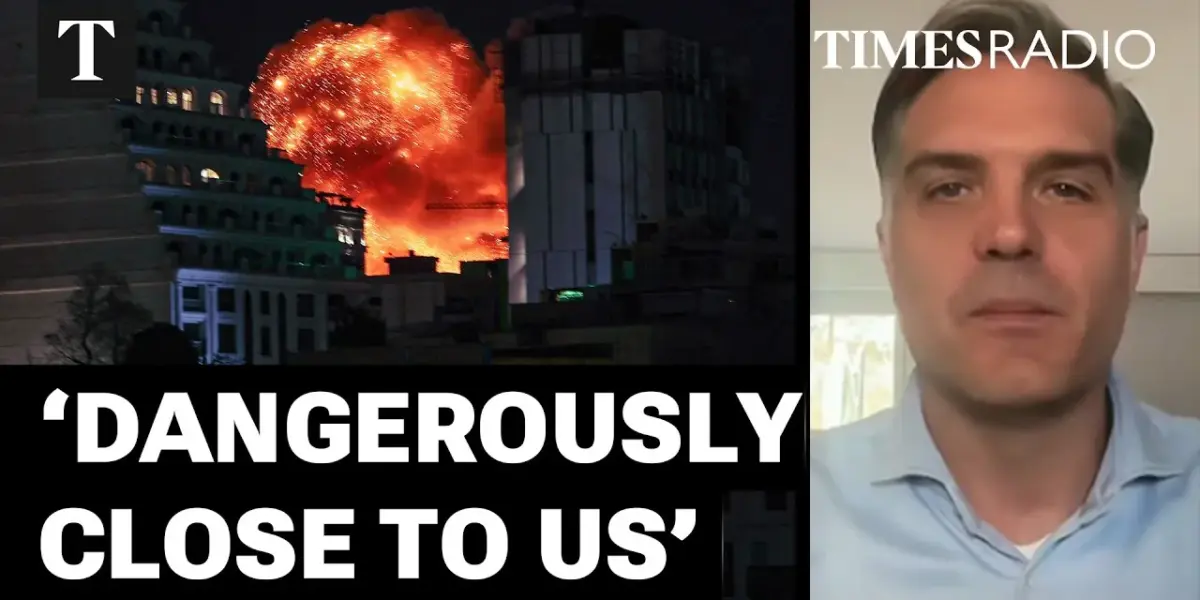
Reporter Fred Pleitgen Describes Intense Air Campaign in Iran
CNN Senior International Correspondent Fred Pleitgen has provided a firsthand account of the escalating air strikes within Iran, detailing an intense and pervasive campaign that has left citizens feeling vulnerable and the government striving to project control. Speaking from Germany after his return from Iran, Pleitgen described a war zone unlike others he has experienced, marked by the sheer scale of munitions and a constant sense of insecurity.
Life Under Siege: The Pervasive Threat of Air Strikes
Pleitgen recounted the daily reality of living under frequent air strikes, noting that he and his team witnessed and heard them five to seven times a day. The explosions were powerful enough to rattle hotel walls and windows, with no designated bomb shelters or air raid sirens providing any sense of safety. “You don’t really feel that you’re safe anywhere simply because of the size of the munitions that are dropped there,” Pleitgen stated, highlighting the dramatic impact of the attacks.
The journalist described visiting a neighborhood where a police station or security installation had been hit, but the collateral damage extended to a nearby bakery, which was destroyed, and its owner killed. Shop owners expressed deep fear about commuting to work and the possibility of being caught in attacks on nearby sensitive installations. The primary concern for many, Pleitgen observed, was becoming “collateral damage” due to the size of the bombs being used.
Population’s Response: Fear, Anger, and Government Mobilization
Assessing the population’s support for the ongoing actions by the US and Israel is challenging due to strict government control over information and a three-week internet blackout. However, Pleitgen noted a complex mix of reactions. While some citizens support the bombing campaign, many expressed anger at their government following recent protests, only to be shocked by the intensity of the bombings and the resulting collateral damage.
“There are people that we know that I know who were very angry at their government after the crackdown and the protests in early January, but who now are also shocked by the intensity of the bombings that are going on and also by the collateral damage that all of that is causing,” Pleitgen explained. He also observed that the government and its supporters are actively mobilizing, with increased hostility directed at international journalists at larger events, particularly following the reported death of Ayatollah Ali Khamenei.
Government Resilience: The Theocracy’s Survival Mechanism
Despite the significant attacks, including a major strike that reportedly killed Khamenei and dozens of senior officials, Pleitgen asserted that the Iranian state structure remains functional. “The impression that we got is after the first couple of days and that big decapitation strike that happened that killed Ayatollah Ali Khamenei and I think around 40 commanders and senior politicians um that they’ve reconstituted themselves,” he said. The system, he concluded, is multi-layered and geared towards survival, capable of replacing leadership layers as needed.
Evidence of this resilience includes the continued functioning of normal services. “Shops are open, government services are working, banking is working,” Pleitgen noted. Even after strikes on oil storage facilities, there were no widespread fuel shortages. This capacity for the state to persist, even when its leadership is targeted, presents a significant challenge to the war aims of the United States and Israel.
Navigating the Risk: Reporting Under Surveillance
Pleitgen acknowledged the risks involved in reporting from within Iran, including constant monitoring by security forces. “There’s there’s monitoring on the ground everywhere, anywhere, everywhere that you go, there are people around you,” he stated. While he felt safe for the most part, particularly with his regular translator, he emphasized the ever-present danger of being in proximity to air strikes. He also experienced increased hostility from pro-government individuals at larger gatherings.
Reporting required navigating significant restrictions, including needing to inform the culture ministry before filming and negotiating passage through checkpoints to reach strike sites. Pleitgen stressed the importance of such reporting, despite the limitations, to ensure that international audiences understand the Iranian government’s strength and control, thereby preventing potential political missteps.
Looking Ahead: The Unyielding Iranian State
The insights from Pleitgen underscore the complex and resilient nature of the Iranian government. The ability of the theocracy and its security apparatus, particularly the IRGC, to withstand decapitation strikes and maintain functionality suggests that military objectives aimed at dismantling the state may be more challenging than anticipated. Future reporting will likely focus on the long-term impact of the air campaign on the population, the government’s continued efforts to project strength, and the strategic implications for ongoing international relations.
Source: Reporter On The Ground In Iran Details Sheer Scale Of US Airstrikes | Fred Pleitgen (YouTube)

Related Articles

Stocks Ignore War Risks, Focus on “Taco Moments”
Stock markets appear to be overlooking the severe supply chain risks stemming from the Iran conflict, focusing instead on potential diplomatic de-escalations. While the S&P 500 shows resilience, bond and commodity markets signal deep concern over disruptions to critical resources like LNG, helium, and fertilizers.
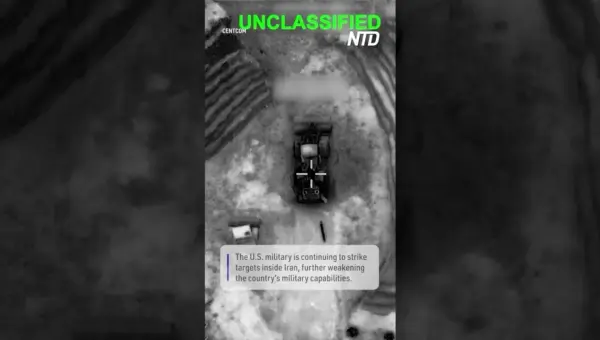
US Strikes Cripple Iran’s Military Might, CENTCOM Reports
U.S. Central Command reports ongoing strikes inside Iran are significantly weakening its military power. This direct action aims to reshape regional security dynamics, but carries risks of escalation. The long-term impact depends on Iran's response and ability to adapt.
U.S. Iran Tensions Rise Amid Shifting Alliances
Rising tensions between the U.S. and Iran are creating a volatile geopolitical situation. With conflicting signals on de-escalation and potential shifts in alliances like NATO and U.S.-Israel relations, the path forward remains uncertain. The global economy and regional stability hang in the balance.