UK Defends Independent Foreign Policy Amidst US Pressure
The UK government has signaled its intention to maintain an independent foreign policy, stating it will not automatically support every US intervention. This comes as a major £1 billion youth jobs initiative is launched to combat rising unemployment among young people.

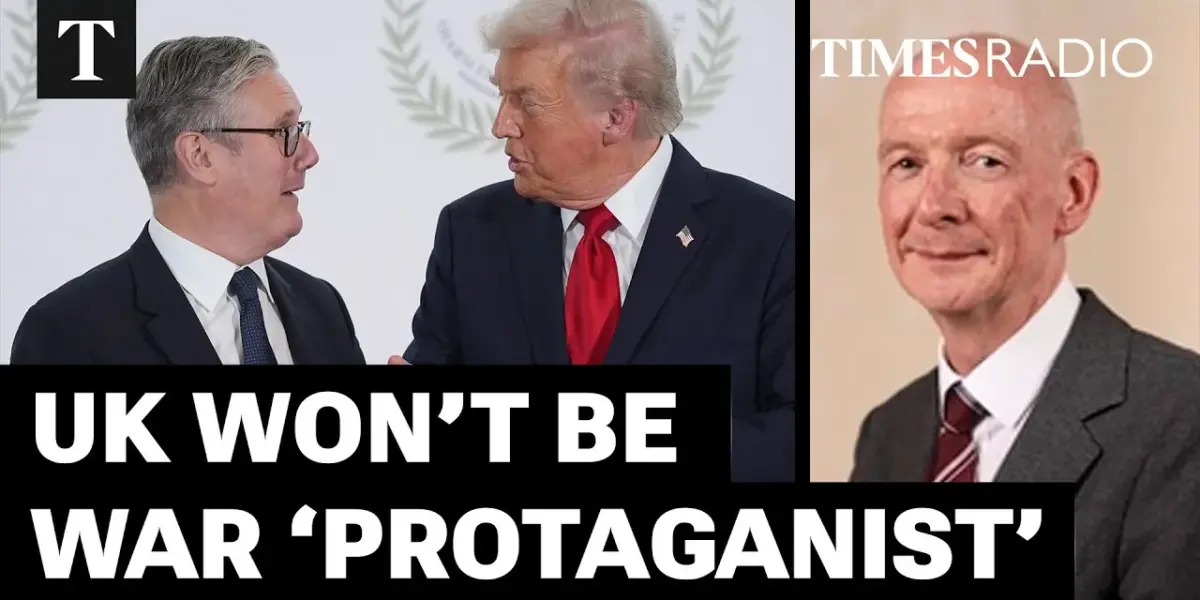
UK Signals Independent Stance on US Interventions
In a clear assertion of its foreign policy independence, the United Kingdom has stated it will not automatically endorse every military action undertaken by the United States. This comes amid ongoing discussions between UK and US leadership, including a recent call between Prime Minister Boris Johnson and former President Donald Trump, who reportedly requested UK naval support in the Strait of Hormuz.
A government spokesperson emphasized that while the strong relationship between the UK and the US remains a cornerstone of international security, it does not obligate London to align with every American initiative. “We speak to one another all the time,” the spokesperson commented, “but that doesn’t mean that we will always have to support every intervention and every action that the United States chooses to take.” This statement underscores a nuanced approach to the special relationship, prioritizing national interests and strategic autonomy.
Government Launches Major Youth Jobs Initiative
In parallel to international relations, the UK government is rolling out a significant new initiative aimed at tackling rising youth unemployment. The “major youth drive,” backed by £1 billion, seeks to create 200,000 new jobs for young people and introduce substantial reforms to the apprenticeship system. The announcement was made by Pat McFadden, Labour’s Shadow Secretary of State for Work and Pensions, during an interview where he detailed the program’s key components and the rationale behind it.
Addressing the Youth Unemployment Crisis
McFadden highlighted the persistent nature of youth unemployment in the UK, noting that job levels for young people have not recovered to pre-financial crash levels in over 15 years. He pointed to a significant spike in young people not in education, employment, or training (NEET) in recent years, with a quarter-million increase during the last three years of Conservative government. “So, we’re really concerned about this,” McFadden stated.
Incentives for Employers and Apprenticeships
The new package offers employers a £3,000 hiring bonus for taking on young individuals who have been unemployed for six months or longer. Additionally, a £2,000 incentive will be provided to small and medium-sized businesses that hire apprentices under the age of 25. The government is also expanding an existing program for the long-term unemployed, previously aimed at 18-21 year olds, to now include those up to 24.
“All across the piece we are saying to young people and to the businesses who might hire them, we believe in Britain’s young people. We want to back them. The government is stepping up with financial incentives to do that,” McFadden explained.
Debate Over Policy Effectiveness
During the interview, questions were raised about the efficacy of the new measures, with some experts suggesting that the hiring bonuses might simply subsidize jobs that would have been created anyway. McFadden acknowledged the concept of “dead weight” but maintained that the priority is to support young people facing a challenging labor market.
Critics argued that government policies, such as increases in the minimum wage, stricter employment laws, and tax hikes, have inadvertently made it more difficult for employers to hire young staff. The Institute for Fiscal Studies and other bodies have suggested these measures have had an adverse effect. McFadden countered that these are long-term problems and that the current issues predate recent policy decisions, emphasizing the need for targeted support.
“We need more opportunity in the system and less just distributing benefits. And that is a big part of the thinking of what we’re announcing today.”
Pat McFadden, Labour’s Shadow Secretary of State for Work and Pensions
Welfare Reform and Opportunity
McFadden framed the initiative as part of broader welfare reform, shifting the focus from merely compensating individuals for their circumstances to actively creating opportunities. “We need to spend more on opportunity and less just compensating for people for their conditions,” he stated. The long-term aim, he suggested, is to move away from simply paying benefits and towards helping individuals change their lives through employment.
International Relations and US Demands
Turning back to foreign policy, the discussion touched upon Donald Trump’s reported request for the UK to send ships to the Strait of Hormuz. While acknowledging concern over the situation in the region, the government reiterated its stance of not seeking to be a “protagonist” in potential conflicts. The Prime Minister is expected to provide further details on energy support measures in an upcoming press conference.
The government’s position highlights a strategic balancing act: maintaining a close alliance with the United States while reserving the right to make independent decisions based on British interests. The complex geopolitical landscape, coupled with domestic economic challenges, presents a significant test for the UK’s policy-making in the coming months.
Looking Ahead
As the UK navigates international pressures and domestic economic headwinds, attention will be on the implementation and impact of the youth employment drive. Simultaneously, the government’s ability to maintain its independent foreign policy while managing relations with key allies like the United States will be closely watched. The upcoming press conference by the Prime Minister is anticipated to shed more light on the government’s strategy for addressing the cost of living crisis and its stance on global security issues.
Source: UK Will Not Support Every US Intervention Says Minister After Trump-Starmer Call (YouTube)

Related Articles

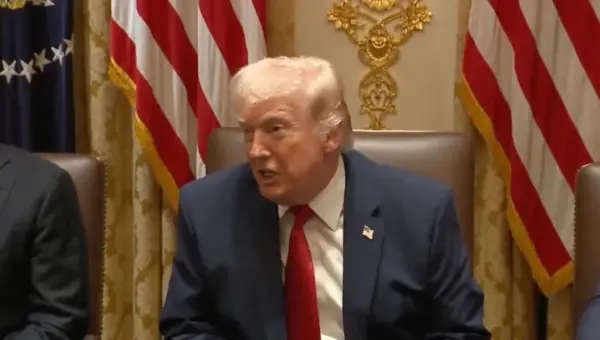
Iran Begs US for Deal After Military Strike, Trump Claims
President Trump claims Iran is 'begging' for a deal after extensive US military strikes, which have reportedly destroyed much of Iran's naval power. The US has presented a peace plan, which Iran has rejected, while also warning of further actions if no agreement is reached.

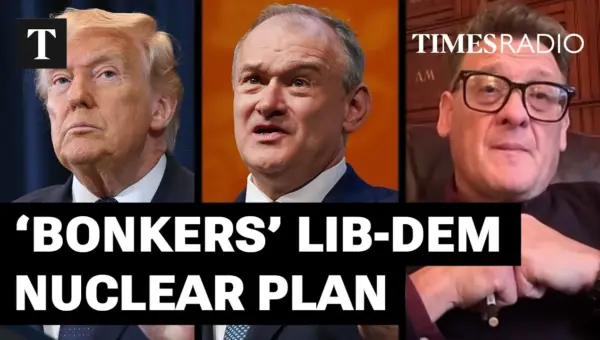
Lib Dems’ ‘Unaffordable’ Plan to Ditch US Nuclear Reliance
Liberal Democrats are pushing for an independent UK nuclear missile capability, severing ties with the US. However, the proposal faces strong opposition from Labour and Conservatives, who label it "utterly unaffordable" and "bonkers" due to immense financial and practical challenges.


Iran Tensions Spark Debate on UK’s Diminishing Global Role
Escalating tensions in the Strait of Hormuz and rising oil prices are fueling a debate on Iran's strategy and the effectiveness of international responses. The situation also casts a shadow over the UK's global standing and its "special relationship" with the U.S.