Iran Conflict Fuels Food Price Surge, Investor Warns
An investor warns of an impending surge in U.S. food prices, directly linked to escalating tensions in Iran and the resulting disruption of oil and fertilizer shipments. The conflict's impact on crucial supply chains is expected to exacerbate existing inflationary pressures.


Global Tensions Spark Inflation Fears for Food and Energy
The escalating conflict in Iran is poised to significantly impact global food prices, with an investor predicting a surge due to disruptions in oil and fertilizer shipments. The concerns come as the market grapples with recent economic data, including inflation figures and GDP growth that fell short of expectations.
Oil Price Spike Linked to Iran’s Strategic Position
The immediate catalyst for the predicted price increases is the situation involving Iran and its control over a significant portion of oil tanker traffic through the Strait of Hormuz. Reports indicate that India is negotiating to transport 23 tankers, suggesting Iran’s need for financial resources. With Iran controlling approximately 40% of the tanker traffic in this crucial waterway, any disruption or perceived threat to this flow directly impacts global oil prices.
“The news that India is negotiating to transport 23 tankers is helping a lot. Iran apparently needs the money and is controlling 40% of the tanker traffic through the Strait of Hormuz, so that goes through, that’s why we are getting oil prices right now,” stated an associate chairman, founder, and chief investment officer during a recent market analysis.
Fertilizer Shortage to Drive Up Food Costs
Beyond the direct impact on oil, the conflict’s ripple effect extends to the agricultural sector. The same disruptions affecting oil shipments also impede the transport of fertilizers through the Strait of Hormuz. This is particularly critical as the spring growing season approaches.
“Supply will come back online but will temporarily increase inflation, food and energy. Not giving them fertilizer through the strait either, so that is critical for food prices,” the investor explained. “Fertilizer is important because we are now entering a spring growing season, so it’s fertilizer seen prices go higher.”
The rising cost of oil and gas, coupled with fertilizer scarcity, creates a double whammy for food producers, inevitably leading to higher prices for consumers. This situation adds another layer of complexity to the ongoing battle against inflation.
Investment Opportunities in Cyclical Sectors
In light of these market dynamics, the investor highlighted potential opportunities in cyclical sectors, particularly oil, gas, and fertilizer companies. While these stocks may not always boast consistent year-over-year growth, they tend to perform well during periods of price increases, such as the spring season.
“They haven’t shown up on my radar; they are cyclical stocks. They don’t always have the best year-over-year comparisons, but they do much better in the springs because prices naturally rise,” the investment expert noted.
Gold Remains a Safe Haven Amidst Global Uncertainty
The conversation also revisited the appeal of gold as a safe-haven asset. The investor reiterated a positive outlook on gold and gold mining companies, citing the actions of central banks worldwide.
“Yes, central banks around the world will do more quantitative easing, and they can’t balance the budget. Britain, France, Japan, China, I think will devalue their currency. But just north of us in Canada, looks like they are slipping into recession, and they will have to slash rates and maybe print more money,” the analyst observed. “So what central banks do, they just buy more physical gold, and that is what is driving prices higher.”
When asked whether mining stocks were preferable to physical gold, the response was affirmative. “Yes, there are a lot of gold ETFs, and right now I am buying the minors.”
Federal Reserve Rate Cuts Expected Amid Economic Slowdown
Looking ahead to the upcoming Federal Reserve meeting, expectations are shifting towards interest rate cuts. While the consensus leans towards two cuts this year, the investor believes three are possible, contingent on key economic indicators and Federal Reserve Chair Jerome Powell’s testimony.
“I’m still in the camp of three; most are in two, but I think it boils down to his hearings. He is a proponent that AI is creating incredible productivity gains that will allow us to cut rates because of the gross inflationary so the hearings will be critical. I think he is blocking them right now,” the expert commented. The confirmation hearings for Powell are scheduled for March, which will be closely watched for insights into the Fed’s future monetary policy.
Private Credit Market Faces Scrutiny
The discussion also touched upon the private credit market, which has seen some companies implementing measures to restrict withdrawals. While the situation is seen as contained for now, it has cast a shadow over the broader financial sector.
“A lot of these companies have put up walls and windows, and they don’t want to open the window to get your money out,” the analyst described. “It is tainting the whole sector, but I think they have it contained at this moment.” However, the expert cautioned that while some private credit entities are sound, the overall environment has made accessing funds more challenging, potentially impacting the banking system.
Looking Ahead: Inflation, Fed Policy, and Geopolitical Risks
As the global economic landscape remains volatile, investors will be closely monitoring the unfolding situation in Iran for its continued impact on oil and food prices. The Federal Reserve’s policy decisions, heavily influenced by inflation data and Powell’s testimony, will be crucial in navigating the economic slowdown. Furthermore, the stability of the private credit market and the broader implications for the financial system will remain key areas of focus in the coming months.
Source: US food prices are going to SURGE amid Iran conflict, investor predicts (YouTube)

Related Articles


Tiger Woods Arrested for DUI After Crash
Golf legend Tiger Woods was arrested for DUI in Florida following a dramatic rollover crash. Meanwhile, a government shutdown continues as House Republicans block a Senate deal, leading to airport chaos and TSA worker pay issues. The stock market also plummeted into correction territory amid fears of a prolonged Iran conflict.


Trump’s Iran War Plans Criticized Amid Border Funding Standoff
Lawmakers and analysts are criticizing the Trump administration's handling of the Iran conflict and its approach to border funding, arguing that a lack of clear planning and a focus on political battles are making the U.S. less safe. Concerns are particularly high regarding the FBI's priorities and the potential impact of these issues on national security.

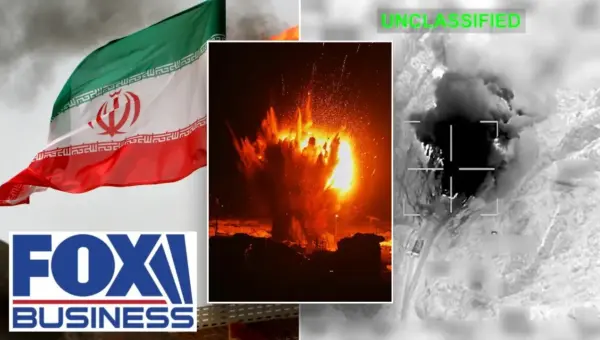
Iran Tensions Send Oil Prices Soaring; Farmers Seek Relief
Escalating tensions with Iran are driving oil prices higher, while U.S. troop deployments to the Middle East increase. Meanwhile, American farmers are receiving relief from rising costs through regulatory changes and support measures, as devastating wildfires impact Nebraska's cattle industry.