Iran Strategy: Absorb Strikes, Inflict Economic Pain
Iran's strategy in the ongoing US-Israeli conflict focuses on absorbing military strikes while inflicting escalating economic costs, aiming to raise the price of continued operations for its adversaries. Experts suggest Tehran prioritizes signaling resilience and avoiding perceived weakness, with its long-term objective being to make the war politically and economically unsustainable for its opponents.

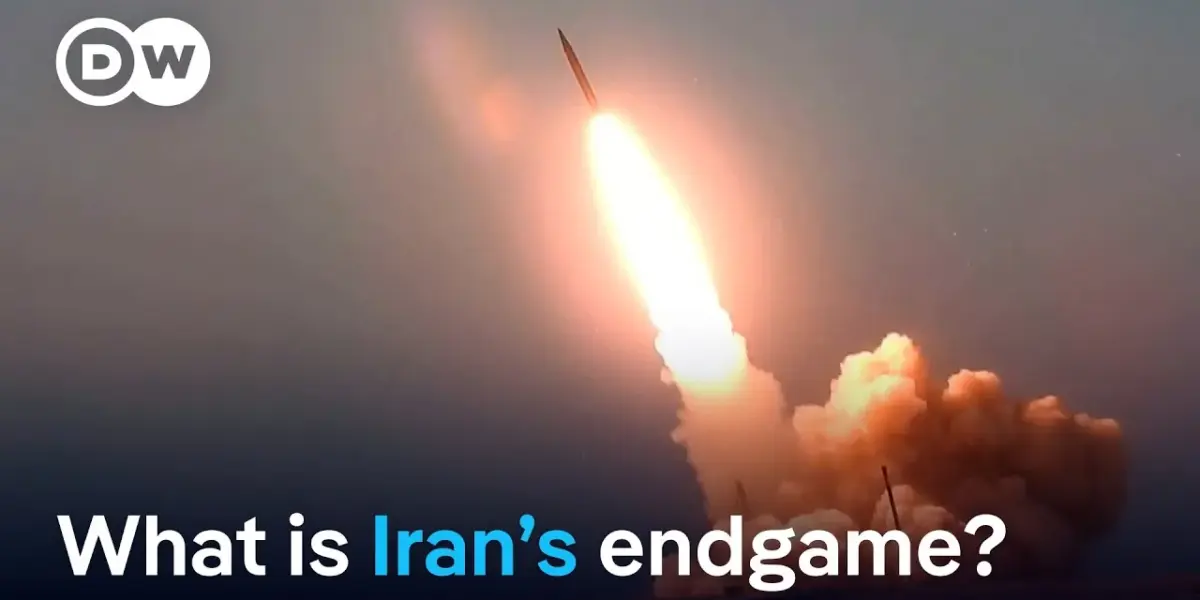
Iran’s Strategy Focuses on Enduring Strikes, Raising Costs for Adversaries
As the conflict between Iran, the United States, and Israel enters its third week, with no immediate end in sight, Iran’s strategic approach appears centered on absorbing military pressure while inflicting escalating economic costs on its adversaries. Despite significant strikes, including the reported death of Iran’s Supreme Leader and thousands of other Iranians, Tehran’s foreign minister has publicly stated that the nation is “stable and strong enough” and sees no reason to negotiate while under attack. This stance reflects a long-standing Iranian strategy of avoiding coercion and prioritizing regime survival and deterrence credibility over immediate battlefield victories.
Avoiding Coercion: The Core of Iran’s Strategy
Sarah Harmush, founder of H9 Defense and a defense policy researcher, explained the underlying logic: “The regime’s logic is avoid appearing coerced into negotiation. It’s been its entire history. Iran’s always relied on deterrence and regime logic, like regime survival logic, rather than immediate battlefield victory.” She elaborated that Iran’s military posture is built around endurance and retaliation, aiming to preserve authority and deterrence credibility. Entering negotiations during active escalation, especially after heavy strikes, could be interpreted domestically as a sign of weakness. Therefore, Iran prioritizes signaling resilience before exploring diplomatic avenues, contingent on restoring its deterrence posture.
The Endgame: Escalating Costs, Not Military Victory
Harmush believes Iran’s objective is to extend the conflict until it becomes too costly or unpopular for the US and Israel to continue. “Iran knows and its leadership, they know they cannot defeat Israel and the United States in a conventional war,” she stated. “So instead, they rely on increasing the political and economic cost of continuing conflict.” This strategy involves leveraging investments in missiles, drones, and proxy networks to sustain prolonged pressure. The focus is on changing the political calculus of adversaries by raising the price of ongoing operations. Evidence of this includes past strikes on oil refineries and gas facilities in Gulf countries, as well as threats to the Strait of Hormuz, which have led to increased oil and gas prices.
Assessing Iran’s Resilience and Messaging
While Iran’s foreign minister has characterized the conflict as not a “war of survival,” Harmush suggests this is strategic messaging. “Iran does great at strategic messaging. It does not always communicate what is actually happening and it will never say publicly that it is a war of survival or it’s losing or it’s weak because then that would weaken its domestic narrative of strength,” she noted. Publicly acknowledging a war of survival could signal vulnerability and undermine the regime’s narrative of strength. Internally, framing conflicts as defensive but manageable confrontations reassures the populace of the state’s stability, while internationally, it signals a readiness for controlled escalation.
Domestic Control Amidst External Conflict
Despite the external conflict and leadership changes, Iran’s internal security apparatus, including the Revolutionary Guard and associated militias, remains deeply entrenched. “The regime still maintains strong internal security institutions capable of suppressing unrest,” Harmush confirmed, suggesting that while public dissatisfaction is real, the government’s grip on power, though challenged, remains significant.
Uncertainty in Conflict Duration and Scope
The trajectory of the conflict remains uncertain, with various actors and potential escalations. The involvement of Gulf countries, Hezbollah in Lebanon, and potentially the Houthis in Yemen could expand the war. Differences in objectives between the US and Israel – President Trump’s apparent lack of focus on regime change versus Israel’s stated goal – add another layer of complexity. Missile exchanges and limited strikes could continue for weeks or months, but the sustainability of the conflict hinges on munition stockpiles, political risk tolerance, and international pressure. As Harmush observed, “wars end not because one side wins decisively, but because the cost of escalation becomes unacceptable.”
Diplomatic Off-Ramps: Challenges and Possibilities
Direct diplomatic engagement during active escalation is difficult but not impossible. Harmush suggested potential avenues like indirect mediation through Qatar or Oman, which have facilitated past US-Iran communications. Back-channel diplomacy is also a possibility. A scenario of mutual de-escalation, where strikes are reduced without a formal ceasefire announcement, could also emerge. “Most conflicts in the region eventually de-escalate through back channel and quiet diplomacy rather than public negotiations,” she concluded.
Economic Pressure as Iran’s Primary Leverage
Marzad Borajardi, an expert on Iran and Middle Eastern politics at Missouri University of Science and Technology, highlighted Iran’s ability to manage retaliatory salvos and, more critically, its success in closing the Strait of Hormuz, causing significant global market disruptions. While acknowledging Iran is no military match for the US and Israel, Borajardi emphasized Iran’s strategic leverage lies in exerting economic pressure. “By targeting 11 of their neighboring states in the Persian Gulf region, they are basically escalating the price of oil, you know, causing mischief in terms of, you know, the stock market and so forth,” he explained. He described the conflict as a contest between military might and economic pressure, waiting to see “who is going to blink first.”
Proxy Networks and Regional Spillover Risks
Borajardi identified four key Iranian proxies: Hamas, the Houthis in Yemen, Hezbollah in Lebanon, and the Hashd al-Shaabi in Iraq. He noted that despite efforts to disarm these groups, they remain potent. Hezbollah has already engaged Israel, and the Houthis are poised to join if Iran encourages them, particularly if the US escalates efforts to control the Strait of Hormuz. This highlights the significant risk of the conflict spilling over into a wider regional conflagration, which Borajardi views as part of Iran’s strategy to apply pressure.
Challenges to Mediation and the Path Forward
While Oman and Turkey have offered mediation services, Borajardi noted a current lack of serious political will for de-escalation in Washington, Tel Aviv, or Tehran. He anticipates the conflict may continue for several more weeks before serious negotiations, and thus effective mediation, can take place. The US’s call for allies to help escort oil tankers through the Strait of Hormuz has seen limited pledges of support, with countries like China and India pursuing their own arrangements, suggesting a reluctance among many nations to directly confront Iran’s actions in this manner.
Source: Iran’s strategy is ‘avoid being coerced into negotiations’ | DW News (YouTube)

Related Articles

Trump Delays Iran Strike Deadline Amidst Shifting Diplomacy
President Donald Trump has extended his deadline for potential strikes on Iranian energy plants to April 6th, amid reports of U.S.-Iran diplomatic talks mediated by Pakistan. This move comes as Israel continues its strikes on Iran and the U.S. deploys additional military assets to the region. Analysts point to mixed signals, economic pressures, and strategic miscalculations as key factors shaping the evolving situation.


Iran War Claims Ring Hollow as US Troops Injured in New Attack
Days after Donald Trump claimed "we've won" the war with Iran, a new attack injured approximately a dozen U.S. troops and damaged aircraft. This incident contradicts Trump's assertions of victory and raises serious questions about the strategy and reality of the ongoing conflict.

US Weighs Shifting Ukraine Weapons to Iran Amid Missile Shortage
The U.S. is reportedly considering diverting weapons destined for Ukraine to support operations against Iran, driven by rapidly depleted missile stocks. This potential shift raises concerns about Ukraine's defense capabilities and highlights the complex interplay between global conflicts.