Trump’s Allies Flee Ship as Weakness Exposes His Grip
Donald Trump's closest allies are beginning to distance themselves, signaling a potential weakening of his influence. This strategic retreat, driven by public pressure and the desire for self-preservation, highlights the fragility of absolute loyalty in politics. Meanwhile, concerns about election integrity and the escalating housing crisis underscore pressing challenges facing the nation.

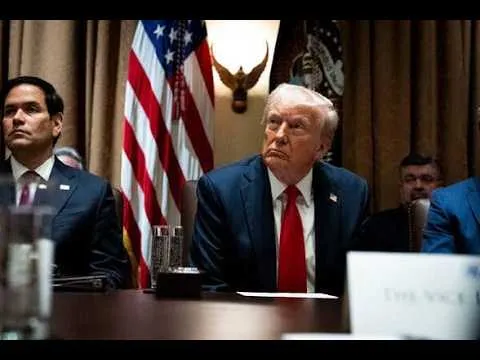
Whispers of Disloyalty: Trump’s Inner Circle Shows Cracks
In a political landscape often defined by unwavering loyalty, a seismic shift appears to be underway. Even those handpicked by Donald Trump for their steadfast adherence to his directives are now exhibiting signs of strategic distancing. This phenomenon, once thought improbable by many, including Trump himself, suggests a growing vulnerability in the former president’s once seemingly unshakeable hold.
The Vance Gambit: Calculated Retreat or Genuine Doubt?
A prime example of this evolving dynamic is Senator JD Vance. A recent Politico article, titled “Vance was skeptical voice in White House on Iran strikes,” paints a picture of Vance as a lone dissenter in a hawkish administration. However, the narrative immediately unravels under scrutiny. The article’s very existence, attributed to sources close to Vance, suggests a deliberate placement aimed at currying favor and projecting an image of cautious statesmanship. The implication is clear: Vance is reportedly positioning himself for a future run, perhaps in 2028, by appearing as the voice of reason who sought to avoid entangling the nation in a costly war.
The reality, as reported by The New York Times, offers a stark contrast. Far from being a skeptic, Vance was reportedly among those advocating for a more aggressive stance against Iran. “Few in the president’s inner circle voiced opposition to military action,” the Times noted, citing individuals familiar with the proceedings. “Even Vice President JD Vance, a longtime skeptic of American military intervention in the Middle East, argued in a White House situation room meeting that if the United States was going to hit Iran, it should go big and go fast.” This stark contradiction highlights Vance’s apparent culpability in the escalation, yet his strategic leak to Politico underscores a keen awareness of public sentiment and the political fallout of war.
Vance’s calculated move is likely a response to palpable public pressure. Polls indicating the war’s unprecedented unpopularity at its outset, coupled with overwhelmingly negative media coverage and surging oil prices, serve as potent reminders of the political cost of foreign entanglements. The historical precedent of those who championed the Iraq War being viewed retrospectively with disdain is not lost on him. His swift efforts at image rehabilitation, mere weeks after the conflict’s commencement, signal a clear understanding that his political future depends on shedding any association with a potentially disastrous military adventure.
Hagath’s Evasive Maneuvers: A Subtle Break
The trend of distancing extends beyond Vance. Secretary of Defense Pete Hagath’s response to a question about a bombing in Iran that resulted in numerous civilian casualties, including children, also revealed a subtle but significant break. When pressed by a reporter about the bombing, Trump definitively stated it was Iran’s doing. Hagath, standing beside him, offered a more cautious and non-committal response: “We’re certainly investigating.” This divergence, however slight, is noteworthy given Hagath’s previously perceived unwavering loyalty to Trump.
The ability of these high-ranking officials to offer differing accounts or to strategically leak information suggests they are not as insulated within an “information bubble” as they might appear. Their actions indicate a dawning realization that public opinion and political consequences are inescapable realities, even within the confines of the executive branch.
Why This Matters: The Erosion of Absolute Loyalty
The significance of these seemingly minor instances of dissent lies in the fundamental expectation of absolute loyalty that Donald Trump demands. Throughout his presidency and beyond, Trump has consistently cast aside individuals who failed to meet his exacting standards of unwavering devotion. Figures like Michael Cohen, George Papadopoulos, Kayleigh McEnany, Mike Pence, and Marjorie Taylor Greene have all experienced his wrath when their loyalty wavered.
The fact that two of his most prominent administration officials are now actively engaged in distancing themselves from him is a potent indicator of his diminishing influence. This is not merely about policy disagreements; it is about the unraveling of a leadership style predicated on absolute fealty. The carefully orchestrated cabinet meetings, often characterized by fawning adulation, now stand in stark contrast to the emerging reality of calculated self-preservation among his top ranks.
Public Pressure as the Catalyst for Change
Crucially, the motivation behind these shifts in allegiance appears to be less about a newfound moral awakening and more about succumbing to public pressure. These officials are not breaking with Trump because they suddenly recognize the moral bankruptcy of his positions; they are doing so because the political calculus has shifted. The public’s reaction, as reflected in polls and media coverage, is forcing their hand.
This serves as a vital lesson: despite Trump’s projection of an autocratic image, impervious to consequences, the individuals around him remain susceptible to public opinion. While Trump may delude himself into believing he operates outside the bounds of accountability, his associates understand the enduring power of public sentiment.
The Unavoidable Shadow: A Legacy of Association
Regardless of their efforts to distance themselves, the indelible mark of association with the Trump administration will likely remain. Whether through planting stories or offering cautious refutations of his claims, these officials are inextricably linked to an administration that launched a war it promised to avoid, oversaw rising prices it pledged to curb, and failed to deliver on key promises. This White House, built on branding, now finds its own brand irrevocably tied to a legacy that may prove difficult to outrun.
Historical Context: The Shifting Sands of Political Alliances
The current political climate echoes historical patterns of leaders who, upon facing mounting public disapproval or the prospect of electoral defeat, see their once-loyal followers begin to hedge their bets. The demand for absolute loyalty, while effective in consolidating power in the short term, often proves unsustainable when external pressures mount. The departure of allies is frequently a precursor to a broader erosion of support, signaling a leader’s declining grip on power.
Implications, Trends, and Future Outlook
The visible cracks in Trump’s inner circle suggest a potential weakening of his political capital. This could embolden opponents and create opportunities for alternative narratives to gain traction. For Trump’s allies, the trend indicates a growing need for strategic maneuvering to preserve their own political futures, potentially leading to further instances of calculated distancing or even outright defection.
The future outlook suggests a more fractured political landscape for Trump. His ability to command unquestioning loyalty may be tested more severely as the perceived risks of association increase. The public’s role in holding these figures accountable becomes paramount, as their actions demonstrate a responsiveness to collective pressure. The enduring challenge for these officials will be to navigate their association with Trump while attempting to forge an independent legacy, a task that appears increasingly arduous.
The Specter of Election Interference and the Fight for Democracy
Beyond the internal dynamics of Trump’s circle, the conversation veered into deeply concerning territory regarding the integrity of future elections. Governor JB Pritzker articulated grave fears about Donald Trump’s potential to subvert the electoral process, citing reports of executive orders aimed at seizing extraordinary powers over voting and the possibility of deploying federal agents or the National Guard to polling places.
Pritzker’s concerns are rooted in Trump’s past rhetoric and actions, including attempts to challenge the 2020 election results. The suggestion that Trump might use tactics like seizing ballot boxes or claiming widespread fraud to overturn voter intent is a chilling prospect. The interview highlighted the proactive measures being taken by states, such as Illinois, to safeguard elections through cyber defenses, robust poll-watching initiatives, and readily available legal counsel. The dispersed nature of election administration in Illinois, with county clerks playing a key role, is seen as a built-in advantage against centralized interference.
The discussion also touched upon the broader implications of such potential interference. The Democratic National Committee’s lawsuit seeking information on any plans to deploy law enforcement at polling stations underscores the seriousness of these concerns. The revelation of a Department of Defense memo concerning the potential use of troops in elections further fuels these anxieties, suggesting that these are not mere theoretical fears but active considerations within certain circles.
The proposed “Save America Act” was also scrutinized as a mechanism for voter suppression, potentially by purging voter rolls and imposing strict identification requirements. The concern is that such legislation, if enacted, could disproportionately affect marginalized communities and significantly alter election outcomes. The potential for Republicans to eliminate the filibuster to pass such measures adds another layer of urgency to the debate, raising questions about the future of democratic norms and constitutional principles.
The Housing Crisis: A Neglected Priority
Shifting focus to domestic policy, the conversation addressed the escalating housing crisis. Governor Pritzker emphasized the growing unaffordability of both rental and homeownership markets, particularly for middle-income earners. He argued that traditional approaches focusing solely on affordable housing for low-income individuals are insufficient, and that policies must also address the needs of working families struggling to find or afford homes.
The discussion highlighted the significant barriers to new housing development, including excessive red tape and bureaucratic hurdles at the local level. Pritzker advocated for statewide measures to streamline the permitting process and encourage developers to build much-needed housing. The example of Rivian’s rapid growth in Normal, Illinois, and the subsequent housing shortage, illustrated the tangible consequences of failing to address housing needs in booming economic areas.
The need for innovative solutions, such as down payment assistance programs and the removal of development barriers, was underscored. The conversation also touched upon the federal government’s role, noting that while states often rely on federal funding for housing initiatives, recent federal actions, such as increased funding for ICE, have drawn criticism for diverting resources from more pressing domestic needs like housing, Medicaid, and the ACA.
Source: WOW: Trump ABANDONED by closest allies (YouTube)

Related Articles
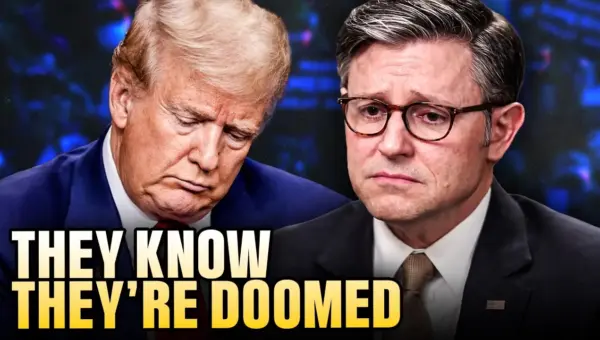
Polls Spell Doom: Republicans Face Voter Backlash
New polling data reveals a sharp decline in public confidence regarding the economic impact of Republican policies, particularly under Donald Trump. A significant majority now feel financially worse off, a trend that is especially pronounced among independent voters. This economic discontent poses a major challenge for the Republican party heading into future elections.
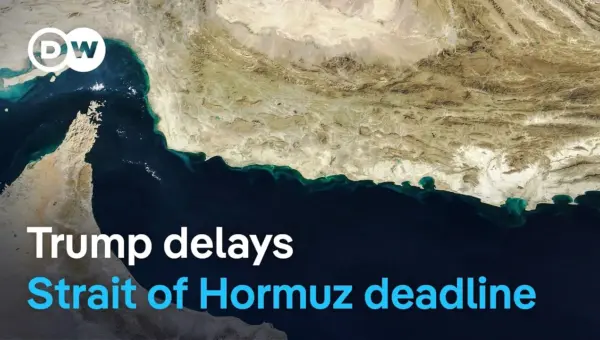
Trump Delays Iran Strike Deadline Amidst Shifting Diplomacy
President Donald Trump has extended his deadline for potential strikes on Iranian energy plants to April 6th, amid reports of U.S.-Iran diplomatic talks mediated by Pakistan. This move comes as Israel continues its strikes on Iran and the U.S. deploys additional military assets to the region. Analysts point to mixed signals, economic pressures, and strategic miscalculations as key factors shaping the evolving situation.
Iran War Claims Ring Hollow as US Troops Injured in New Attack
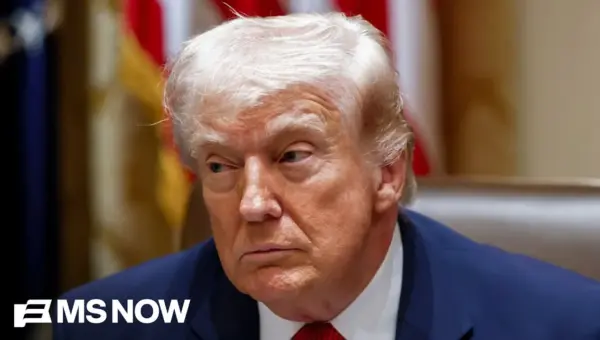
Days after Donald Trump claimed "we've won" the war with Iran, a new attack injured approximately a dozen U.S. troops and damaged aircraft. This incident contradicts Trump's assertions of victory and raises serious questions about the strategy and reality of the ongoing conflict.