Iran Dominates Oil Fight Amid Mideast Conflict, Experts Warn
Global oil prices have surged past $100 per barrel amid escalating Middle East tensions, prompting warnings from energy sector leaders about sustained disruptions in the Strait of Hormuz. Experts point to a lack of U.S. preparedness, including low strategic oil reserves, and highlight Iran's surprising continued oil sales. The potential for further escalation and the geopolitical complexities of a prolonged conflict are significant concerns.

Oil Prices Soar Amid Middle East Tensions
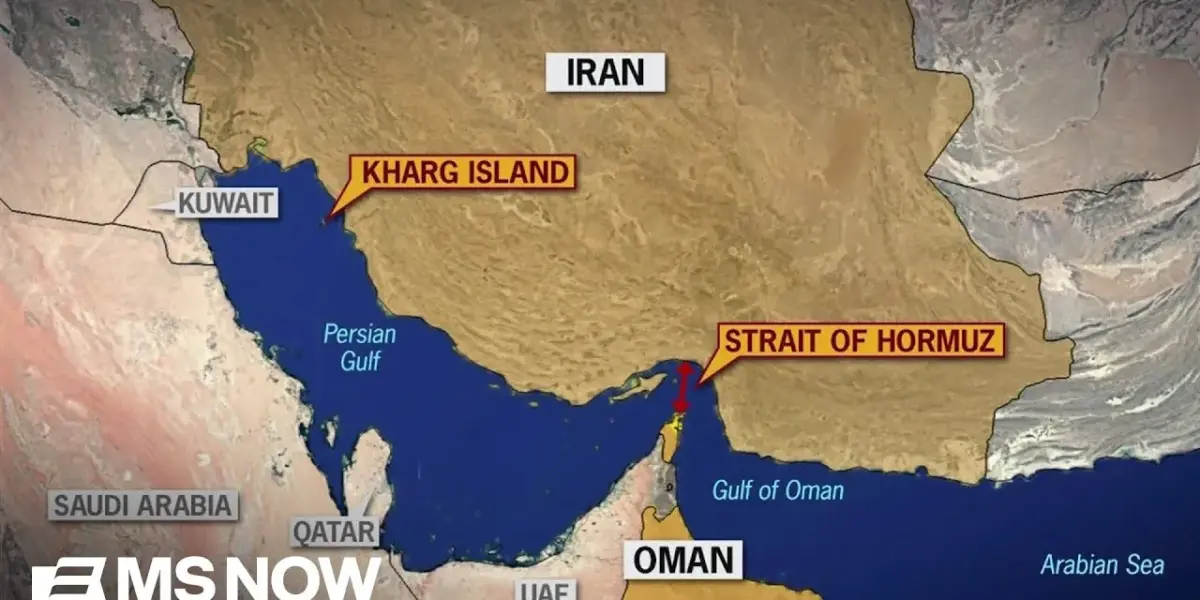
Global oil prices have surged past $100 per barrel for U.S. crude and Brent oil following a weekend of escalating strikes in the Middle East. This volatility has prompted private energy sector leaders, including representatives from Exxon and Chevron, to warn Trump administration officials about the persistent disruption in the Strait of Hormuz and its impact on the global energy market. The administration’s messaging on efforts to control energy costs for Americans has been notably inconsistent.
Strategic Petroleum Reserve and Lack of Planning
Experts suggest a significant lack of preparation by the Trump administration has exacerbated the current energy crisis. The Strategic Petroleum Reserve (SPR) is reportedly at multi-decade lows, and no pre-emptive coalition was assembled to protect oil tankers transiting the Strait of Hormuz. Furthermore, policies hindering renewable energy development in the U.S. and tariffs on fertilizer inputs are cited as missed opportunities to bolster energy security.
“There’s no near-term way for the Trump administration to lower oil prices. The only way to do it is to reopen the Strait.”
The SPR, holding over 400 million barrels of oil, equivalent to about 20 days of supply through the Strait, has a limited daily release capacity of only two million barrels. Releasing these stocks earlier, perhaps three weeks prior to the current crisis, could have potentially mitigated the sharp rise in oil prices.
China’s Strategic Advantage in Energy Crisis
Ironically, while China is heavily dependent on oil imports through the Strait of Hormuz, it appears to be emerging as a beneficiary of the current situation. With 1.2 billion barrels in its strategic reserves—three times that of the United States—and substantial investments in domestic solar energy, batteries, and electric vehicles over the past decade, China has significantly electrified its economy. This preparedness positions China to weather the energy disruption more effectively than many anticipated.
Iran’s Unexpected Role in the Oil Market
A surprising development in the conflict is Iran’s continued ability to sell oil, and in some cases, more than before the hostilities began. Despite U.S. strikes targeting military facilities, oil infrastructure has largely been spared. This is attributed to the Trump administration’s concern over rising oil prices impacting the U.S. economy, leading to a preference for Iran to continue selling oil on the global market, even amidst the conflict.
“If there’s ever a tell about the Achilles heel of American policy, which is our sensitivity to high oil prices, it’s the fact that we are allowing Iran to sell oil in the midst of this war.”
Iran’s oil export capacity, particularly from facilities like Khark Island, has reportedly increased significantly. While China has historically been the primary buyer of Iranian oil due to sanctions risks for other nations, it is speculated that more countries may be willing to purchase Iranian crude in the coming months due to global supply shortages.
Potential U.S. Military Action and Escalation Risks
The possibility of U.S. ground forces intervening, potentially seizing Khark Island, has been raised as a strategic option. Such an operation would likely require thousands of troops, and the U.S. has reportedly deployed marine expeditionary forces to the region. However, experts caution that occupying Iranian territory could be a miscalculation, as Iran is engaged in what it perceives as an existential war, possessing a greater capacity to endure suffering compared to the U.S. focus on economic stability.
Geopolitical Complexities and Strategic Miscalculations
The current conflict highlights the complexities of Middle East policy and the U.S. administration’s sensitivity to oil price fluctuations. A full-scale invasion of Iran, akin to the 2003 Iraq invasion, is discussed as a potential, albeit highly risky, scenario to secure the Strait of Hormuz. Such an undertaking would be immense, given Iran’s size (comparable to the 16th largest country globally) and mountainous terrain, and would likely involve significant financial costs and American lives, with uncertain outcomes regarding regime change or stabilization.
Inconclusive Outlook and Future Uncertainties
The conflict’s resolution remains uncertain, with predictions ranging from an inconclusive end within the next week to a prolonged engagement. The potential for escalation, including ground operations and the involvement of regional militias, looms. The administration’s handling of the crisis, particularly its response to the oil price surge and its strategic communications, faces scrutiny, with some suggesting a lack of a coherent plan or effective response.
Source: Mideast Expert Breaks Down How Iran is Winning Oil Fight in War with U.S. (YouTube)

Related Articles


Israelis Forge Resilience Amidst Constant Bomb Shelter Drills
Life in Israel is a blend of resilience and constant vigilance, with many families adapting to frequent bomb shelter drills and even sleeping in makeshift shelters. Despite ongoing missile attacks, Israelis strive to maintain normalcy, though businesses face disruption and emotional fatigue is a growing concern.

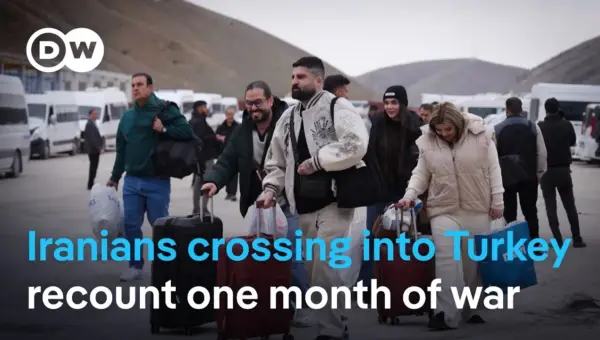
Iran War Exodus: Refugees Flee to Turkey Amidst Bombings
A train from Tehran brings refugees to Turkey, fleeing daily bombings and economic collapse. Many express deep fear for loved ones left behind, while some hold onto national pride and hope for victory. The conflict's impact is also felt economically in Turkey, with rising gas prices.


Israel Escalates Iran Strikes, Warns of Wider War
Israel has launched significant strikes inside Iran following continued missile fire, warning of further escalation. The conflict risks wider regional instability and economic disruption, especially concerning the Strait of Hormuz.