Trump Declares Iran War Won Amidst Mounting Casualties
President Trump has declared victory in the ongoing conflict with Iran, despite significant casualties and no clear resolution. Experts question the validity of these claims, noting Iran's continued defiance and the unresolved issue of the Strait of Hormuz. The human cost of the war continues to rise, with thousands killed and displaced.

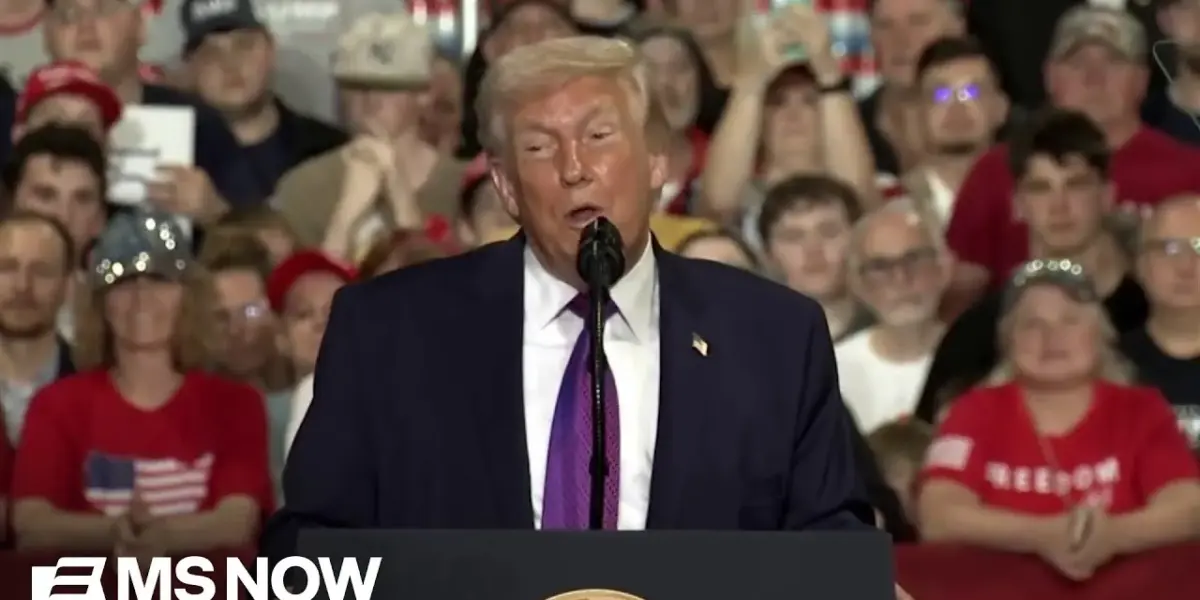
Trump Claims Victory in Iran Conflict Amidst Escalating Human Cost
In the third week of an undeclared war with Iran, President Donald Trump has repeatedly claimed victory, despite a lack of a clear objective or resolution. The conflict, initiated without broad international consultation, has already resulted in significant human casualties and displacement. According to The New York Times, over 2,100 people have been killed since the war began. In Lebanon, the toll has exceeded 800 deaths, including more than 100 children, with over 2,000 wounded and 800,000 people displaced due to Israeli attacks. The grim reality of the war’s human cost was underscored by the recent deaths of six U.S. service members in a refueling aircraft crash in Iraq.
Unclear Objectives and Contradictory Statements
President Trump’s pronouncements of victory, such as “We’ve already won,” stand in stark contrast to the ongoing realities and the absence of a concrete peace deal. Trump has stated he is unwilling to negotiate an end to the war because the terms are “not good enough yet,” while declining to specify what those terms would entail. This stance comes as Iran continues to defy threats from the U.S. and Israel regarding its oil infrastructure and the transit of ships through the Strait of Hormuz.
The Iranian foreign minister asserted that the Strait of Hormuz remains open to all nations except the U.S., Israel, and Iran’s adversaries. However, U.S. Energy Secretary Chris Wright reiterated the administration’s objective: “to reopen the Straits of Hormuz,” implying it is currently not open for business. This creates a confusing narrative where the U.S. claims victory and seeks to reopen a strait that Iran claims is already open to most international traffic, while simultaneously engaging in military action.
Expert Analysis: Victory or Illusion?
Experts are questioning the validity of Trump’s victory claims. Arash Azizi, contributing writer at The Atlantic and author of “What Iranians Want, Women Life Freedom,” argues that the U.S. war goals have never been clearly defined. Initially, the aim seemed to be regime change, which has not materialized. The Supreme Leader of Iran remains in power, and protests have been suppressed. From the Islamic Republic’s perspective, Azizi notes, the leadership remains intact, suggesting a form of victory for Iran.
“From their perspective, it looks like they’re winning. And very worryingly, they are mobilizing this week actually their supporters on the street all over Iran. They’re arming supporters, preparing for even sort of next possible steps of the war or unrest. So the Islamic Republic, from the Islamic Republic’s perspective, it’s hard to see this war as a loss so far.”
– Arash Azizi
Edward Fishman, Director of the Center for GeoEconomic Studies at the Council on Foreign Relations and former U.S. State Department official, concurs that the situation is far from resolved. He points out that the opening of the Strait of Hormuz is not solely up to the U.S. or Israel, but ultimately to Iran. Iran’s strategy of threatening tankers with drones, rather than physically closing the strait, has effectively halted a significant number of daily shipments, demonstrating their ability to disrupt global trade at a low cost.
Fishman highlights a critical miscalculation by the Trump administration: the assumption that ending hostilities would immediately restore normal shipping. He suggests that Iran may continue disrupting traffic until its demands, such as the withdrawal of U.S. bases from the Gulf, are met. This indicates that even a U.S. declaration of victory might not resolve the underlying issues or reopen the Strait of Hormuz without further concessions or sustained pressure.
International Allies’ Perspectives and Concerns
The mixed messages and unilateral actions by the U.S. administration have left international allies bewildered and concerned. European nations, South Korea, and Japan, whose energy prices have reportedly spiked due to the conflict, are reportedly questioning the U.S. strategy. These allies were not consulted before the war began, and they have also been subjected to U.S. tariffs in recent years, potentially diminishing their willingness to assist without significant reciprocal benefits.
Even if allies were to offer support, Fishman argues, they cannot physically force the Strait of Hormuz open. Iran’s drone capabilities are vast and difficult to eliminate entirely. The disruption of shipping is more a matter of Iran’s political will to threaten tankers than a physical blockade that can be dismantled by military force. A large-scale ground invasion of Iran might reopen the strait, but it is unclear if the U.S. is prepared for such an escalation.
The Mood in Tehran: Resilience Amidst Hardship
Inside Iran, the situation remains tense. Despite a prolonged internet shutdown, Iranians are managing to stay connected, albeit at a high cost. Arash Azizi reports that many Iranians, while desiring regime change, are demoralized by the Islamic Republic’s continued grip on power. The conflict has hardened the resolve of some, including those within the security forces and even reformist figures who have now backed the Supreme Leader.
“A lot of Iranians, I THINK MOST IRANIANS, CERTAINLY MOST TEHRANIS, WANT THE REGIME GONE. BUT THEY ARE NOT IN A VERY FAVORABLE CONDITION. SOME OF THEM ARE DEMORALIZED. THEY SEE THE ISLAM COMPLIC HAS REMAINED IN PLACE.”
– Arash Azizi
The expectation of a widespread popular uprising to overthrow the regime, seemingly held by some U.S. and Israeli advisors, is viewed as unrealistic by many Iran experts. Azizi dismisses this as a “strange” and unlikely outcome, noting that protesting under bombardment is difficult. Furthermore, the Iranian opposition lacks the organized networks and leadership structures seen in historical movements like the African National Congress or Solidarity in Poland. The regime, though facing internal dissent, remains organized and possesses control over the security forces, making a swift overthrow improbable without a significant internal crack within those forces.
Looking Ahead: Uncertainty and Future Challenges
As the conflict continues with no clear end in sight, the focus shifts to the long-term implications. The Trump administration’s strategy appears to be based on a flawed assumption about the ease of achieving its objectives and the potential for internal dissent within Iran. The human cost continues to mount, while international allies remain hesitant to engage without clear objectives and mutual benefit. The resilience of the Iranian regime, coupled with the lack of organized opposition, suggests a prolonged period of tension and potential instability in the region. Future developments will likely depend on whether the U.S. can articulate clearer goals, garner international support, and whether internal dynamics within Iran shift, potentially creating new avenues for change.
Source: Trump claims victory in Iran without any concrete deal (YouTube)

Related Articles


Stocks Ignore War Risks, Focus on “Taco Moments”
Stock markets appear to be overlooking the severe supply chain risks stemming from the Iran conflict, focusing instead on potential diplomatic de-escalations. While the S&P 500 shows resilience, bond and commodity markets signal deep concern over disruptions to critical resources like LNG, helium, and fertilizers.

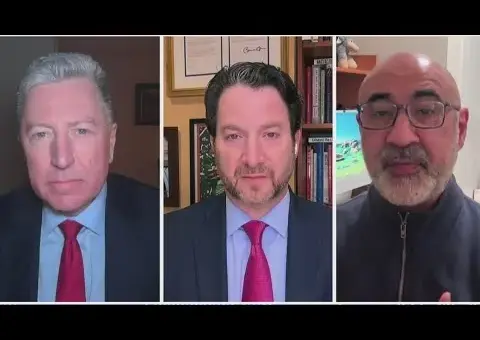
U.S. Iran Tensions Rise Amid Shifting Alliances
Rising tensions between the U.S. and Iran are creating a volatile geopolitical situation. With conflicting signals on de-escalation and potential shifts in alliances like NATO and U.S.-Israel relations, the path forward remains uncertain. The global economy and regional stability hang in the balance.


Iran Targets US With Cyberattacks, Escalating Digital Warfare
Iran is increasingly using cyberattacks to challenge the U.S., as seen in a recent hack of the FBI director's account. Experts say this is a strategic shift due to Iran's limitations in conventional warfare. The U.S. needs to strengthen its digital defenses, focusing on encryption and cloud computing, rather than solely relying on traditional security measures.