Trump Urges Allies to Reopen Strait of Hormuz
President Donald Trump has called on international partners to collaborate in securing the Strait of Hormuz, a vital global oil transit route facing increased tensions. The appeal highlights the critical need for maritime security and freedom of navigation amidst broader regional instability.

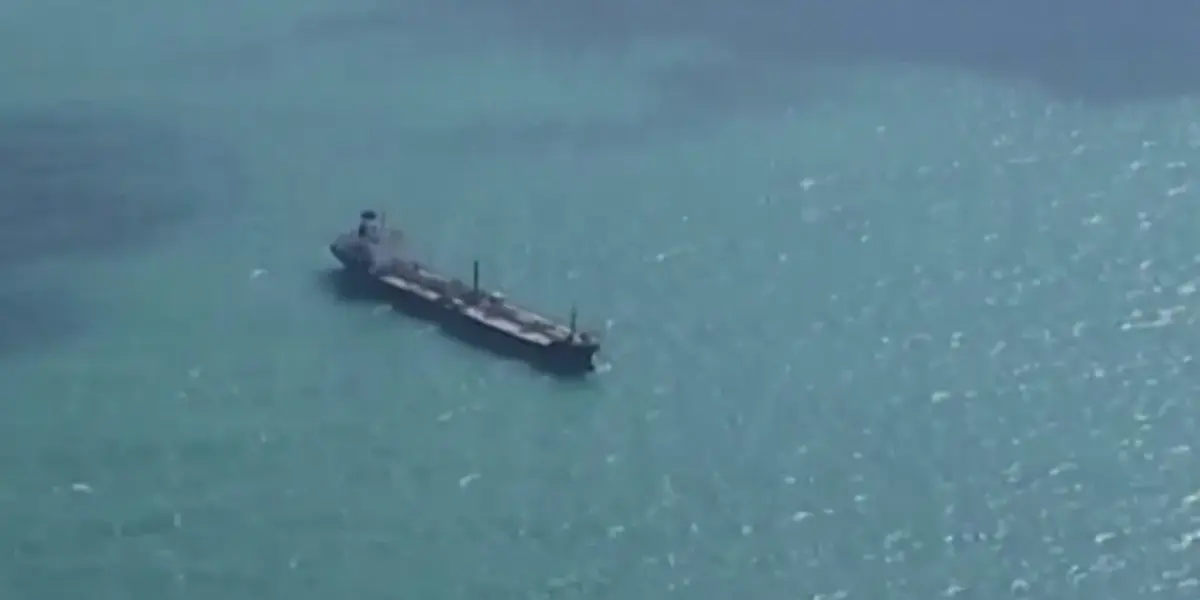
Trump Calls for International Action on Strait of Hormuz
In a significant geopolitical statement, U.S. President Donald Trump has called upon international partners to assist in reopening the Strait of Hormuz, a critical chokepoint for global oil transport that has recently faced heightened tensions. The President’s remarks come amidst ongoing concerns over maritime security and freedom of navigation in the vital waterway, signaling a potential shift towards a more collaborative approach to de-escalating regional conflicts.
Context of Rising Tensions
The Strait of Hormuz, a narrow passage between the Persian Gulf and the Gulf of Oman, is a critical transit route for crude oil and other products. Approximately 30% of the world’s seaborne oil trade passes through this strategic strait daily. Recent incidents, including alleged attacks on oil tankers and disruptions to shipping, have significantly heightened concerns about the security of this passage and its impact on global energy markets.
While the transcript provided does not detail specific recent events that prompted President Trump’s call, the broader context involves a period of increased friction between Iran and several Western nations, including the United States. These tensions have often centered on Iran’s nuclear program, its regional influence, and its maritime activities.
President Trump’s Call for Collaboration
President Trump’s appeal to other nations signifies a desire for a unified international front in ensuring the free flow of commerce through the Strait of Hormuz. The exact nature of the assistance sought from allies was not fully detailed in the provided transcript, but it suggests a call for diplomatic, economic, or potentially even naval cooperation to safeguard shipping lanes.
The President’s statement, as captured in the transcript, indicates a proactive stance on maintaining global economic stability, which is intrinsically linked to the unimpeded passage of oil and other commodities through key maritime routes. This approach could involve joint patrols, enhanced intelligence sharing, or coordinated diplomatic pressure on actors perceived to be threatening navigation.
Broader Geopolitical Implications
The Strait of Hormuz has long been a focal point of geopolitical maneuvering in the Middle East. Any disruption to its traffic has immediate and far-reaching consequences for global energy prices, international trade, and diplomatic relations. President Trump’s call for international help underscores the global importance of this waterway and the shared responsibility in maintaining its security.
A collaborative effort to ensure freedom of navigation could serve multiple purposes. It could deter potential aggressors, reassure global markets, and strengthen alliances by presenting a united front against perceived threats. Conversely, a failure to secure the strait could lead to significant economic shocks and further destabilize an already volatile region.
Uncertainty Surrounding Iranian Leadership
Adding a layer of complexity to the regional dynamics, the transcript briefly touches upon uncertainty regarding the health of Iran’s new Supreme Leader. The reporter notes, “YEAH, THE PRESIDENTT SAYING HE MAY ACTUALLY HAVE BEEN KILLED OR BADLY ACTUALLY HAVE BEEN KILLED OR BADLY WOUNDED WHICH IS WHY HE HASN’T APPEARED IN PUBLIC APPEARED IN PUBLIC SO FAR.” This uncertainty about leadership within Iran could influence the country’s foreign policy decisions and its approach to regional security issues, including the Strait of Hormuz.
Such internal developments within a key regional player can have unpredictable effects on international relations and the stability of critical trade routes. The international community will be closely watching for any developments related to Iranian leadership and its potential impact on regional affairs.
Looking Ahead
President Trump’s call for international cooperation on the Strait of Hormuz signals a critical juncture for maritime security in the Middle East. The coming weeks and months will be crucial in determining how the international community responds to this appeal and whether a united front can be forged to ensure the continued free passage of vessels through this vital global artery. The stability of global energy markets and broader regional peace will depend significantly on these diplomatic and security efforts.
Source: Trump calls for other nations to help reopen Strait of Hormuz (YouTube)

Related Articles
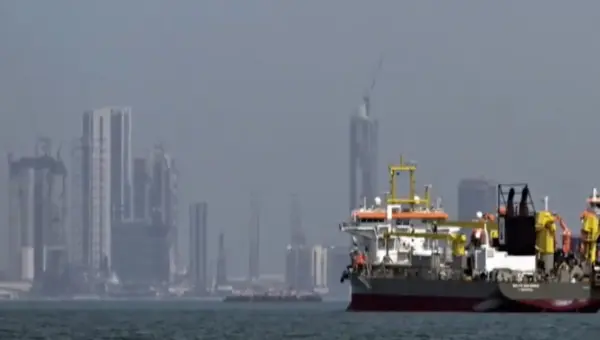
Iran Blocks China Ships, Exposing Beijing’s Weak Grip
Iran's recent decision to block Chinese ships at the Strait of Hormuz is exposing the limits of Beijing's influence in the Middle East. This action is causing delays and cancellations for Chinese manufacturers, turning a perceived geopolitical win into an economic strain.
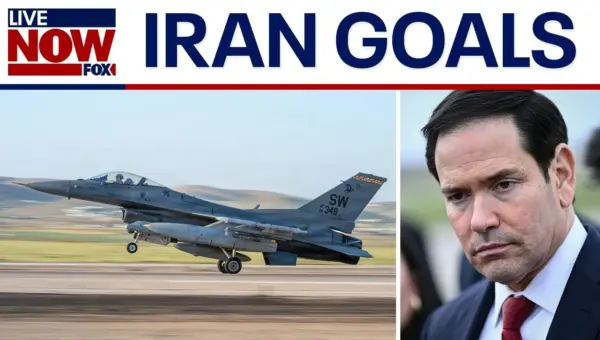
Rubio: US Can Achieve Iran War Goals Without Troops
Senator Marco Rubio outlined a strategy to counter Iran without deploying U.S. ground troops, focusing on weakening the regime and enhancing maritime security. He also criticized Cuba's economic system and expressed concerns about West Bank violence.


Israel Escalates Iran Strikes, Warns of Wider War
Israel has launched significant strikes inside Iran following continued missile fire, warning of further escalation. The conflict risks wider regional instability and economic disruption, especially concerning the Strait of Hormuz.