Rogan’s Trump Flip-Flop: A Betrayal or a Calculated Move?
Joe Rogan's recent comments questioning Donald Trump's adherence to MAGA promises have sparked debate about his political consistency. Critics argue his stances fluctuate with public opinion, while others see him as a barometer of evolving voter sentiment.

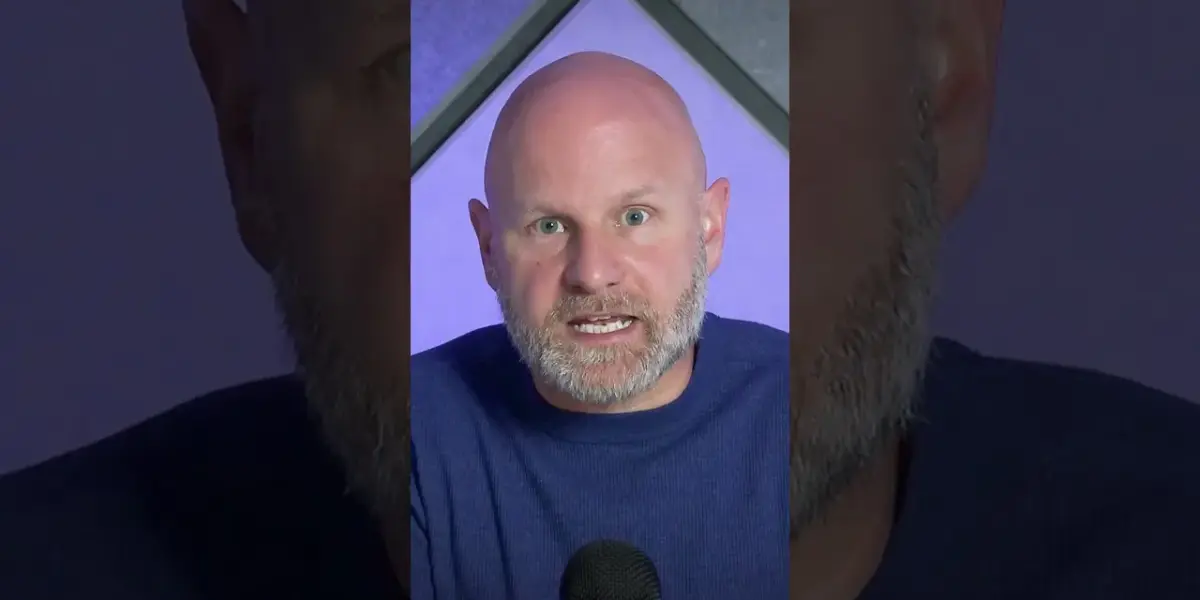
Rogan’s Shifting Stance on Trump: A Sign of the Times?
Joe Rogan, the ubiquitous podcast host, has once again found himself at the center of political discourse, this time for his apparent critique of Donald Trump. Rogan’s recent comments suggesting Trump has “betrayed the MAGA base” have ignited debate, but are they a genuine shift in allegiance or a strategic maneuver in the ever-evolving landscape of political commentary?
The Core of the Criticism: Broken Promises?
Rogan’s expressed sentiment hinges on Trump’s perceived deviation from key campaign promises, particularly regarding foreign policy. “He ran on no more wars. End these stupid, senseless wars,” Rogan reportedly stated, questioning the rationale behind current international conflicts. This echoes a sentiment felt by a segment of Trump’s base, who may see a disconnect between the “America First” rhetoric and ongoing global engagements.
A History of Ambivalence?
However, Rogan’s own political leanings have often been characterized by a degree of fluidity. Critics point to a pattern of shifting opinions, suggesting that his stance on Trump, and indeed on many issues, can appear to follow the prevailing winds of popular sentiment or media attention. This perceived inconsistency leads some to question the sincerity of his recent criticisms.
The narrative that Rogan simply “goes back and forth” is fueled by the selective nature of what gains traction in the media cycle. Headlines often focus on Rogan’s more provocative or critical statements, while the bulk of his content, which may lean towards continued support for Trump, often goes unnoticed by the wider public. An article highlighting this very phenomenon suggests that Rogan is not necessarily turning against Trump, but rather that the soundbites that align with a critical narrative are amplified, creating a distorted perception of his overall stance.
The Rogan Effect: Influence and Interpretation
Joe Rogan commands a colossal audience, making his opinions, however inconsistent, carry significant weight. His platform has the power to shape narratives and influence public perception, often acting as a barometer for broader cultural shifts. When Rogan expresses doubt or criticism, it resonates not just with his direct listeners but also with the media ecosystem that closely monitors his every utterance.
This dynamic raises a crucial question: Is Rogan a political commentator driving a narrative, or is he a reflection of the confusion and contradictions within the electorate itself? His ability to pivot, to seemingly entertain opposing viewpoints, can be seen as either a sign of intellectual curiosity or a lack of deeply held conviction. For his detractors, it’s evidence of a “grifter” capitalizing on controversy. For his supporters, it might be interpreted as an open-minded approach to complex issues.
Historical Context: The Podcasting Populist
Rogan’s rise to prominence parallels the broader trend of decentralized media and the ascendance of “outsider” voices in political commentary. Before the digital age, political discourse was largely dominated by established media outlets. Podcasts like Rogan’s have democratized the space, allowing individuals to build massive followings outside traditional gatekeepers. This has led to the emergence of figures who can speak directly to a perceived “silent majority,” often bypassing journalistic filters and fact-checking processes.
In this context, Rogan’s relationship with Donald Trump is emblematic of a larger phenomenon: the complex interplay between populist figures and their media amplifiers. Trump himself cultivated an image as an outsider challenging the establishment, and Rogan, with his non-traditional background and massive reach, became an unofficial, albeit sometimes critical, conduit for his message to a vast audience.
Why This Matters
Rogan’s perceived shift, or lack thereof, matters because it reflects the ongoing internal debates within a significant political movement. The MAGA base, like any large demographic, is not monolithic. There are varying degrees of loyalty, differing priorities, and evolving interpretations of the movement’s core tenets. When a figure as influential as Rogan voices discontent, it can amplify existing doubts and encourage introspection among his followers.
Furthermore, it highlights the challenges of political messaging in the digital age. Soundbites and controversial statements are easily extracted and disseminated, often overshadowing nuanced discussions. The difficulty in discerning genuine shifts in opinion from performative commentary underscores the need for media literacy and critical consumption of information, particularly when it comes from figures who operate outside traditional journalistic norms.
Implications, Trends, and Future Outlook
The future outlook for figures like Rogan and their influence on political discourse remains dynamic. As the political landscape continues to polarize, the demand for voices that can articulate the frustrations and aspirations of specific voter segments will likely persist. Rogan’s ability to adapt, to capture the zeitgeist, suggests he will remain a relevant, if controversial, commentator.
The trend of “cancel culture” and the intense scrutiny applied to public figures mean that any perceived deviation from a political base will be met with swift and often harsh judgment. Rogan’s situation exemplifies this, as his comments are dissected for signs of betrayal or genuine change. Whether he is genuinely questioning Trump or simply reacting to shifts in public opinion, his platform ensures that his pronouncements will continue to be a focal point of political analysis.
Conclusion
Joe Rogan’s commentary on Donald Trump, characterized by its apparent inconsistency, serves as a microcosm of the complexities within contemporary political communication. While critics may label him as indecisive or opportunistic, his enduring influence is undeniable. The debate over his sincerity highlights the broader challenge of discerning genuine conviction from calculated performance in the age of viral content and fragmented media.
Source: Joe Rogan is a grifting moron (YouTube)

Related Articles
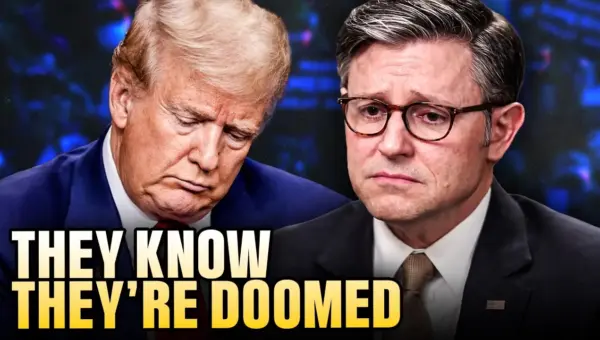
Polls Spell Doom: Republicans Face Voter Backlash
New polling data reveals a sharp decline in public confidence regarding the economic impact of Republican policies, particularly under Donald Trump. A significant majority now feel financially worse off, a trend that is especially pronounced among independent voters. This economic discontent poses a major challenge for the Republican party heading into future elections.

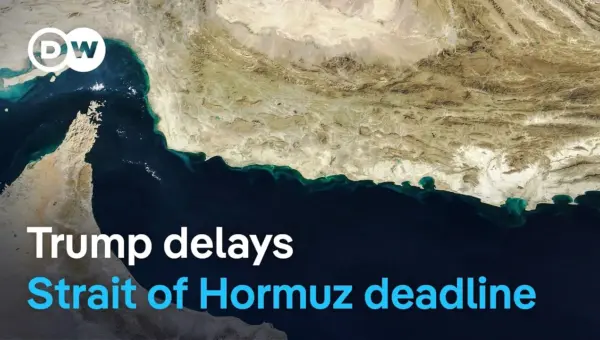
Trump Delays Iran Strike Deadline Amidst Shifting Diplomacy
President Donald Trump has extended his deadline for potential strikes on Iranian energy plants to April 6th, amid reports of U.S.-Iran diplomatic talks mediated by Pakistan. This move comes as Israel continues its strikes on Iran and the U.S. deploys additional military assets to the region. Analysts point to mixed signals, economic pressures, and strategic miscalculations as key factors shaping the evolving situation.
Iran War Claims Ring Hollow as US Troops Injured in New Attack
Days after Donald Trump claimed "we've won" the war with Iran, a new attack injured approximately a dozen U.S. troops and damaged aircraft. This incident contradicts Trump's assertions of victory and raises serious questions about the strategy and reality of the ongoing conflict.