Martin Lawrence’s Impact: A Latino Comedy Icon
Martin Lawrence's early comedic talent, discovered at age 10, blossomed into a career that profoundly impacted the Latino community. His shows like 'Martin' and appearances on Def Comedy Jam provided crucial representation and inspiration, resonating deeply with audiences who previously lacked such figures in mainstream media.

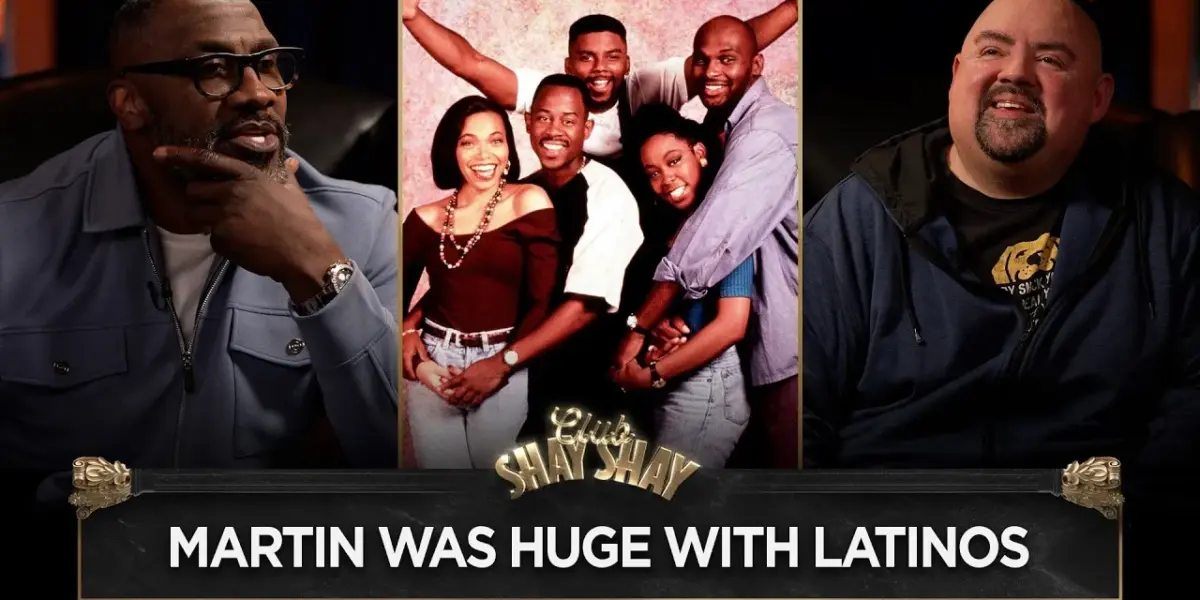
From Childhood Impressions to Comedy Stardom: Martin Lawrence’s Groundbreaking Influence
The laughter started early for Martin Lawrence, a realization that sparked a career that would resonate deeply within the Latino community. It wasn’t a grand stage or a roaring crowd that first ignited his passion, but a humble school talent show at the tender age of 10. Armed with impressions of then-prime-time icons like Mickey Mouse, Ronald Reagan, and Pee-wee Herman, a young Lawrence didn’t fully grasp the concept of stand-up comedy. He was simply a kid doing voices, but the uncanny accuracy of his imitations stunned the audience. The transcript reveals his recollection: “So as a 10-year-old, think of a 10-year-old. Yes. doing impressions of Mickey Mouse, Ronald Reagan, Pee-Wee Herman…” His performance, particularly the spot-on impersonation of Pee-wee Herman, was met with bewildered applause, a reaction he didn’t quite understand at the time. “I didn’t know what the reaction was supposed to be. I didn’t know, are they supposed to laugh? I I didn’t know what to expect.” It was only when the audience rose to their feet in a standing ovation that he began to comprehend the power of his performance. “And then at the end when I said thank you, good night and people started standing up and they’re applauding and I’m like I I didn’t know that this that’s like that I didn’t realize at that moment that audience understood what they were watching.” This pivotal moment, he admits, left him “very much hooked.”
The Rise of Def Comedy Jam and Comic View
As Lawrence grew, his comedic influences solidified, primarily through the Saturday night staples of Def Comedy Jam and BET’s Comic View. These shows became his understanding of comedy, his gateway into the art form. “There was no shows to showcase or feature Latinos, Mexicans, people that like this was the closest thing,” he explains, highlighting the unique appeal of these programs. They felt “very much like close to me. It was very urban, very hood, very like, yeah, I get that.” This sentiment is echoed by others who found a reflection of their own experiences in these platforms. The question of inspiration within the Hispanic community often leads to a discussion of representation. While pioneers like Eddie Murphy and Richard Pryor loomed large in the Black comedy scene, and figures like Jack Benny and Johnny Carson in the white comedy landscape, the Latino community often lacked a clear figurehead. “During that time, you got to figure there wasn’t really any form of real representation for Latinos,” the transcript notes. “A lot of Latinos from what I remember were gravitated towards Martin Lawrence and Martin.”
“We would watch Martin. Martin was like a staple. Like, oh my god, this show’s so good.”
A Personal Encounter with an Idol
The impact of Martin Lawrence on the Latino community is so profound that even years later, meeting the comedian himself was an overwhelming experience. The transcript recounts a recent encounter: “I just met Martin Lawrence a week ago… I felt like, you know, it’s rare for me to meet someone and geek the out to the point where I’m like, ‘Oh shit.'” The desire to express the significance of Lawrence’s work was palpable. “I just wanted to tell him how impactful his show, his presence, what he did on Def Jam, what he did on his specials meant to me.” The feeling of seeing Lawrence on screen during formative years was akin to having a cultural touchstone. “Because it’s like h like I remember watching his shows on the weekend and it’s just like uh back when I was a kid and it was it was so huge.” This personal connection underscores Lawrence’s role as more than just an entertainer; he became a symbol of possibility and representation.
The Hustle of Early Comedy and the Craft
The journey through comedy wasn’t always glamorous, especially in the early days of shows like Comic View. A featured comedian recalls the modest payment of $150 for an appearance, with no residuals or further compensation. “That’s right. That’s all they paid you back then. There was no residuals, no nothing.” There was a prevailing attitude that simply being on television was reward enough. “I’m like, ‘We’re doing a show in a casino. Be happy that you’re on TV.'” This perspective highlights a common debate within the comedy world: the balance between financial gain and artistic development. The transcript points out a potential pitfall for aspiring comedians: “I feel like a lot of times these comics would get in a place where they made it more about the money than the actual craft.” The focus on immediate financial returns, like SAG or union pay, often overshadowed the crucial aspect of honing one’s skills and reaching a wider audience. The advice given to many early comedians – “don’t worry about the money. Work on your craft, the money will come” – remains a guiding principle. The underlying sentiment is that a true passion for the art form should drive a comedian, not just the pursuit of monetary compensation. “If you’re more focused on the money, then you’re not you don’t really give a about what the thing that is you’re doing.” This philosophy was essential for navigating the challenging but ultimately rewarding landscape of stand-up comedy, a landscape where figures like Martin Lawrence paved the way for future generations.
Join Club Shay to continue the conversation and discover who will be joining us next!
Source: Martin Lawrence Was Huge in the Latino Community I CLUB SHAY SHAY (YouTube)

Related Articles


Seinfeld Praises Normand: From Bombing to Stardom!
Mark Normand's comedy career was significantly boosted by Jerry Seinfeld's unexpected praise during a Mets broadcast and Amy Schumer's early support. After being rejected by major platforms, Normand's YouTube special gained millions of views, leading to Netflix deals and his latest special, 'None to Blame.'
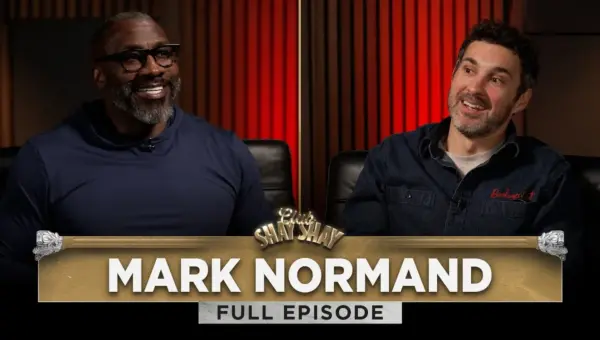
Normand’s NYC Gauntlet: From Break-ins to Chappelle’s Stage
Comedian Mark Normand shared his wild upbringing in New Orleans and his tough start in New York City on Club Shay Shay. He detailed surviving break-ins, a unique nanny, and even street altercations on his path to comedy fame.
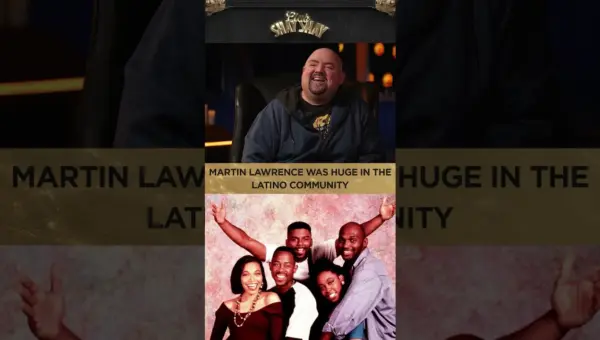
Martin Lawrence’s Cultural Impact: A Latino Fan’s Story
Martin Lawrence's iconic shows like 'Martin' and his stand-up specials on Def Jam Comedy became cultural staples for many in the Latino community, offering rare representation. A recent fan encounter highlighted the profound impact his career had on viewers.