The Hidden Dangers of Drinking Too Much Water
While staying hydrated is crucial, drinking too much water, especially after exercise, can lead to dangerous electrolyte imbalances like hyponatremia. Learn how to maintain proper hydration without the risks.

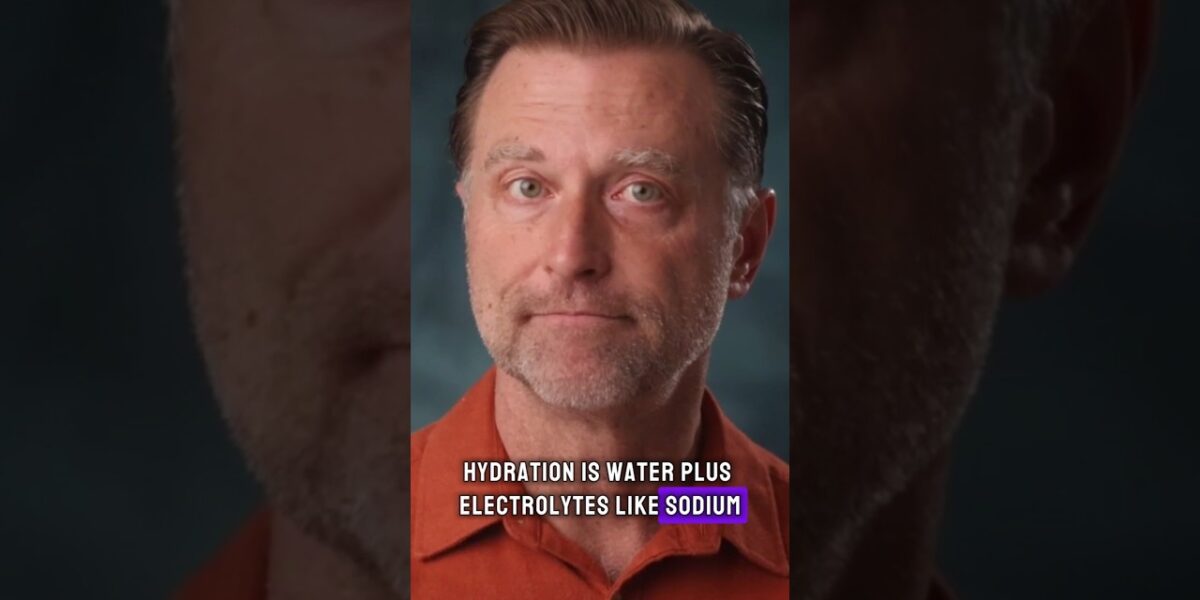
The Hidden Dangers of Drinking Too Much Water
In our modern world, the message to stay hydrated is ubiquitous. From restaurant menus to wellness blogs, we’re constantly encouraged to drink water throughout the day, often with a guideline of eight glasses minimum. While water is undeniably essential for life, a growing concern among health professionals is that overconsumption can lead to a dangerous condition known as hyponatremia. This article explores the risks associated with drinking excessive amounts of water, particularly after strenuous physical activity, and clarifies what true hydration entails.
Understanding Hyponatremia: When Water Overwhelms Your Body
Hyponatremia, a condition characterized by abnormally low levels of sodium in the blood, can occur when the body takes in more water than it can excrete. This excess water dilutes the concentration of sodium and other crucial electrolytes in the bloodstream. Sodium plays a vital role in maintaining fluid balance, nerve function, and muscle contraction. When its levels drop too low, it can disrupt these essential bodily processes.
Why Exercise Increases Risk
The risk of hyponatremia is particularly elevated for individuals engaging in prolonged or intense physical activity, such as marathon runners or endurance athletes. During exercise, the body loses sodium through sweat. If an athlete replenishes fluids solely by drinking large amounts of plain water without adequately replacing lost electrolytes, they can inadvertently lower their blood sodium levels. This scenario is precisely why the common advice to simply ‘drink more water’ can be counterproductive in certain situations.
Recognizing the Symptoms
The early signs of hyponatremia can be subtle and easily mistaken for fatigue or dehydration. These may include:
- Tiredness or lethargy
- Weakness
- Mental fogginess or confusion
- Headaches
- Nausea
As the condition progresses and sodium levels continue to fall, symptoms can become more severe and life-threatening. These can include vomiting, muscle cramps, seizures, coma, and in the most extreme cases, can be fatal. The irony is that individuals experiencing these symptoms might believe they are becoming better hydrated, when in fact, their fluid and electrolyte balance has become dangerously imbalanced.
What True Hydration Means
The concept of hydration is often oversimplified. True hydration isn’t just about the quantity of water consumed; it’s about maintaining the correct balance of fluids and electrolytes in the body. Electrolytes, such as sodium, potassium, and chloride, are minerals that carry an electric charge and are essential for numerous bodily functions. They work in tandem with water to regulate fluid levels inside and outside of cells, support nerve signals, and enable muscle activity.
Factors Influencing Fluid Needs
Individual fluid needs vary significantly based on several factors, including:
- Activity Level: More intense or prolonged exercise requires greater attention to electrolyte replacement.
- Climate: Hot and humid environments increase fluid loss through sweat.
- Health Conditions: Certain medical conditions (e.g., kidney disease, heart failure) and medications can affect fluid balance.
- Diet: Sodium intake from food plays a role in overall electrolyte balance.
The historical context provided by the transcript highlights that our ancestors likely consumed water based on thirst, a natural regulatory mechanism that is often overridden by modern advice. While thirst is a generally reliable indicator for most healthy individuals, it’s not foolproof, especially during extreme conditions or for those with specific health concerns.
When to Re-evaluate Your Water Intake
For the general population engaging in typical daily activities, drinking when thirsty is usually sufficient. However, for athletes, individuals working in hot environments, or those with underlying health conditions, a more nuanced approach to hydration is necessary. This might involve consuming electrolyte-rich beverages during or after prolonged exertion, rather than relying solely on plain water.
It’s important to listen to your body’s signals. While staying adequately hydrated is crucial for health, the pursuit of ‘super-hydration’ without considering electrolyte balance can have serious consequences. Consulting with a healthcare professional or a registered dietitian can provide personalized guidance on optimal fluid and electrolyte intake based on your specific needs and lifestyle.
Disclaimer
This article is for informational purposes only and does not constitute medical advice. Always consult with your doctor or a qualified healthcare provider before making any decisions about your health or treatment.
Source: Drinking Too Much Water Can Be Dangerous (YouTube)

Related Articles


Urine Color: Your Body’s Simple Health Signal
Your urine color can offer simple clues about your health and hydration levels. Learn what different shades and appearances might mean and when to consult a doctor.


Hydration Unveiled: The Truth About ‘Pure Water’
Discover what 'pure water' truly means and why the minerals found in regular tap and bottled water are essential for your health. Learn how to make the best hydration choices.

Heal Trauma by Meeting Your 12 Basic Needs
Discover how understanding and meeting your 12 basic needs can be a powerful tool for healing complex trauma. This approach helps individuals overcome addiction by addressing underlying emotional pain and guides them toward lasting recovery.