Trump Navigates Iran Tensions, Tariff Setback, and Diplomatic Friction Ahead of State of the Union
Former President Donald Trump is navigating a complex period marked by escalating tensions with Iran and potential military action, a significant Supreme Court decision limiting his tariff powers, and diplomatic friction with the UK over the Chagos Islands. As speculation mounts about his next foreign policy move, Trump is also preparing for a State of the Union address expected to pivot towards domestic issues like affordability ahead of crucial midterm elections.

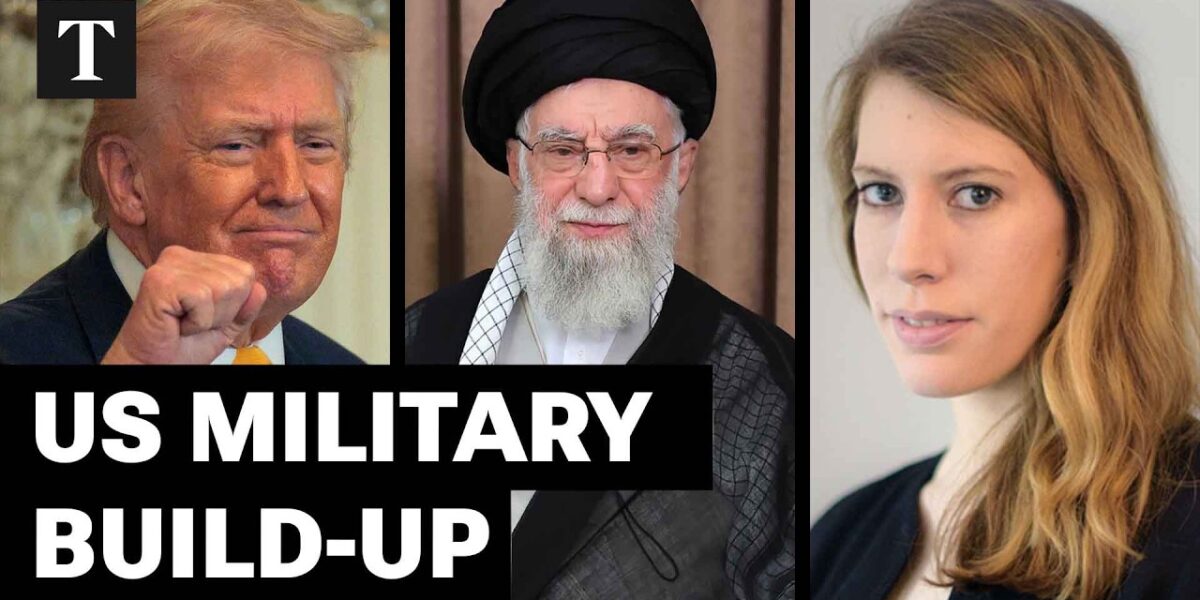
Trump Navigates Iran Tensions, Tariff Setback, and Diplomatic Friction Ahead of State of the Union
Washington D.C. finds itself in a period of intense geopolitical and domestic uncertainty, with former President Donald Trump at the nexus of escalating tensions with Iran, a significant Supreme Court setback on tariffs, and strained diplomatic relations with the United Kingdom. As the US military reportedly builds up its presence around Iran, speculation mounts about potential military action, even as Trump grapples with diminished trade policy tools and prepares for a pivotal State of the Union address.
According to Katy Balls, Washington editor for the Sunday Times, the confluence of these events paints a complex picture of a presidency facing both external pressures and internal checks on power, all while eyeing crucial midterm elections.
Escalating Tensions with Iran: A Looming Military Threat?
The prospect of military action against Iran has once again surged to the forefront of international concerns. Reports indicate a significant military buildup in the region, with naval power amassed at levels not seen since 2003 – a period preceding the Iraq War. This substantial deployment suggests a serious consideration of military options by the Trump administration.
“You look at the fact that military navy power… you have the most amassed since 2003 around the area which does suggest that it could be close to something,” Balls observed. The former President has reportedly issued a 10-day ultimatum to Iran for a new deal, threatening action if an agreement is not reached. This tactic is consistent with his past foreign policy approach, where deadlines have often been followed by swift and sometimes unexpected moves.
Trump’s history is punctuated by a willingness to act decisively and often unpredictably on the global stage. From missile strikes in Syria to the targeted killing of Qassem Soleimani, his foreign policy has frequently prioritized surprise and direct action. This pattern fuels speculation that military intervention could occur even before a stated deadline expires. “Donald Trump has in the past given these deadlines and then actually taken action before the deadline is over,” Balls noted, adding that “we do know Donald Trump likes to surprise on foreign policy.”
The nature of any potential action remains a critical question. The US side, according to Balls, might favor a “limited military strike” aimed at compelling the Iranian regime into a more favorable negotiating position without triggering a broader escalation. However, the inherent risks of such an approach are immense. Even a limited strike carries the potential for unintended consequences, retaliatory measures, and a dangerous spiral into a wider regional conflict. The delicate balance between deterrence and escalation is a constant challenge in the volatile Middle East.
The backdrop to these tensions includes the Trump administration’s withdrawal from the Joint Comprehensive Plan of Action (JCPOA), commonly known as the Iran nuclear deal, in 2018. This decision, coupled with the re-imposition of stringent sanctions, significantly heightened animosity between Washington and Tehran. Iran has since incrementally reduced its commitments under the deal, accelerating its nuclear program and further complicating diplomatic efforts. The military buildup can be seen as a direct pressure tactic, aiming to force Iran back to the negotiating table on terms more favorable to the US, or to deter perceived Iranian aggression in the region.
Supreme Court Deals Blow to Trump’s Tariff Powers
Domestically, former President Trump has suffered a significant setback at the Supreme Court regarding his authority to impose tariffs. The decision, which limits the President’s flexibility on trade policy, has been described as a considerable blow to his economic agenda.
The ruling effectively restricts the President’s ability to unilaterally impose broad tariffs, compelling him to seek Congressional approval for certain measures. While Trump has announced a potential 10% global tariff, this measure can only remain in place for 150 days without the backing of Congress – an outcome deemed “very unlikely at the moment,” particularly with the looming midterm elections where Democrats are widely expected to regain control of the House of Representatives.
Adding to the sting for the former President, the Supreme Court decision was delivered by a conservative majority, including three justices he himself appointed. This outcome underscores the enduring system of checks and balances within the US government, even under an administration that often sought to push the boundaries of executive power. “There are the checks and balances which you have in the US system which haven’t completely gone away, and Donald Trump is now having to reckon with,” Balls explained.
The unexpected ruling from a court with a conservative bent highlights the judicial branch’s independence and its role in interpreting constitutional limits on presidential authority. For a president who often relied on executive action to bypass legislative hurdles, this decision represents a significant constraint on his future trade policy ambitions. It forces a return to a more traditional process, where trade policy, by design, often requires buy-in from Congress, reflecting the will of the people through their elected representatives.
UK-US Relations Strained by Chagos Islands Dispute and Military Base Use
Further complicating the global landscape is a growing strain in the historically robust “special relationship” between the United States and the United Kingdom. The controversy surrounding the Chagos Islands deal has emerged as a flashpoint, exacerbated by former President Trump’s shifting and often critical stance.
The Chagos Islands, a British Indian Ocean Territory, are strategically vital due to the presence of the US military base on Diego Garcia. A recent deal concerning the islands has drawn criticism from Trump, who has offered “very mixed messages” on the issue. While the State Department issued a statement affirming cooperation with the UK on the deal, Trump himself took to Truth Social to launch a “pretty comprehensive evisceration” of the agreement.
This inconsistency and public criticism have caused significant frustration within the UK government. Adding to the diplomatic friction is the UK’s reported reluctance to allow the US to use RAF bases for potential strikes against Iran, citing international law. This stance, as reported by Oliver Wright from The Times, has been a source of annoyance for the US, potentially impacting broader bilateral cooperation.
The Chagos Islands deal itself has been the subject of extensive lobbying by various UK politicians, including figures from the Conservative Party, Nigel Farage, Liz Truss, and Boris Johnson. These efforts aimed to persuade US contacts that the deal was disadvantageous, contributing to the bubbling frustration that eventually manifested in Trump’s public outbursts. Balls suggested that Trump’s evolving understanding of the deal, perhaps influenced by these lobbying efforts, has led to his increasingly critical viewpoint. His initial comments, such as questioning why the UK would “sell it” and if they “need the money,” hinted at a lack of detailed knowledge about the complex arrangement, which involves significant payments and lease-back agreements.
The implication is clear: if the US feels frustrated by the UK on matters such as military base access or diplomatic deals, it may be less inclined to offer support to the UK on its own unpopular foreign policy initiatives. This dynamic underscores the transactional nature that often characterizes international relations, particularly under the Trump administration.
Domestic Focus and the Upcoming State of the Union
Amidst these international and legal challenges, the former President and his team are intensely focused on domestic policy, particularly with the upcoming midterm elections in mind. The State of the Union address, scheduled for Tuesday, is expected to be a platform for Trump to pivot towards issues that resonate directly with American voters.
The White House’s strategy is to emphasize “affordability” and other “pocketbook issues” that directly impact the everyday lives of citizens. A recent meeting of top cabinet members and advisors reportedly focused on developing talking points and strategies to effectively communicate the government’s domestic achievements and future plans to the electorate. This emphasis reflects a recognition that while foreign policy crises grab headlines, voters often prioritize economic stability and personal financial well-being.
“When you’re thinking about what he wants to focus in on and what his team would like him to focus in on, of course, he can go off script, I think trying to bring this all back to what voters in America are thinking about, which is less about Iran and more about how much money they have left in their pockets,” Balls highlighted. The midterms are a critical juncture, potentially determining the balance of power in Congress and setting the stage for future presidential elections. By focusing on tangible domestic benefits, the Trump administration aims to galvanize its base and appeal to swing voters, shifting the narrative away from foreign entanglements and legal battles.
Conclusion: A Presidency Under Pressure
The current political climate for Donald Trump is characterized by a potent mix of high-stakes foreign policy decisions, significant judicial setbacks, and diplomatic friction, all set against the backdrop of an impending domestic political battle. The potential for military action against Iran looms large, a testament to Trump’s willingness to use force and surprise in international relations. Simultaneously, the Supreme Court’s ruling on tariffs has reasserted the constitutional limits on presidential power, forcing a recalibration of his economic agenda.
Furthermore, the Chagos Islands dispute and the UK’s cautious stance on military base usage highlight the complexities and occasional strains within even the closest alliances. As Trump prepares for his State of the Union address, the imperative to connect with American voters on domestic issues like affordability will be paramount, offering a strategic counterpoint to the turbulent international landscape. The coming weeks are poised to be a defining period for the former President, testing his resolve, adaptability, and political acumen on multiple fronts.
Source: Trump Is ‘Clearly Considering’ A Strike As The US Military Builds Up Around Iran | Katy Balls (YouTube)

Related Articles

Trump’s Allies Rebel: Conservatives Slam President’s Policies
Prominent conservative figures and lawmakers are openly criticizing President Trump's policies in 2026, signaling a growing divide within the movement. From Candace Owens questioning the Iran conflict to Senator Rand Paul challenging trade policy, a wave of dissent is challenging the president's agenda.
China’s Iran Gambit: Deception or a New World Order?
President Trump claims China will stop sending weapons to Iran, but deep skepticism remains due to China's past support and use of spy satellites to aid Iran. This move could be a strategic ploy to weaken the US military.
China Aids Iran Amid US Conflict Escalation
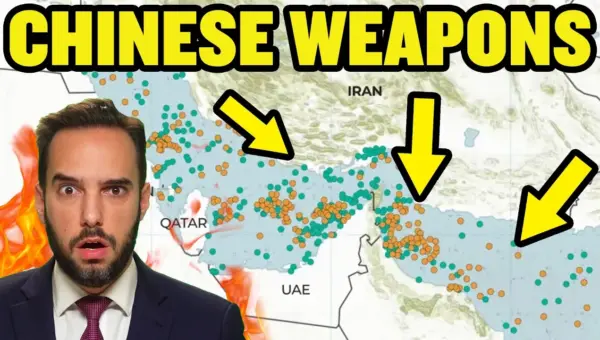
Recent intelligence suggests China is secretly supplying Iran with weapons like MANPADS and sharing critical intelligence, a significant escalation from its previous stance. This move, if confirmed, could deepen regional conflict and lead to severe US economic retaliation, while highlighting long-standing strategic ties between Beijing and Tehran.