BlackRock CEO Admits “Woke Era” Went Too Far
BlackRock CEO Larry Fink has admitted that the company's aggressive push into ESG investing, dubbed the "woke era," may have gone too far. Fink described the movement as a "pendulum" that swung too wide, signaling a potential recalibration of BlackRock's strategies amid increasing scrutiny and calls for accountability.

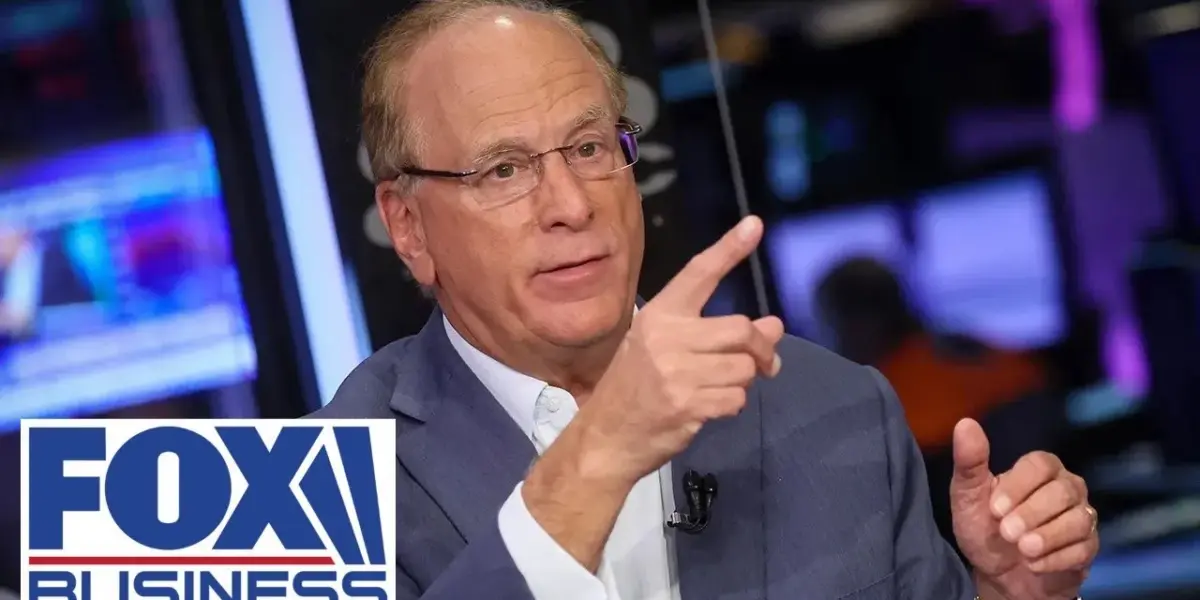
BlackRock CEO Larry Fink Reflects on ESG Push
BlackRock CEO Larry Fink has publicly acknowledged that the company’s aggressive push into Environmental, Social, and Governance (ESG) investing, often termed the “woke era,” may have gone too far. In a recent candid discussion, Fink admitted that the pendulum of ESG focus, which BlackRock has heavily championed, swung too wide in recent years. This admission comes as the financial giant navigates a complex landscape where its investment strategies are under increasing scrutiny from both investors and the public.
The “Pendulum” Swings Back
Fink described the ESG movement as a “pendulum” that has now swung back. “Do I believe that pendulum five years ago was too far? Yes,” Fink stated, acknowledging a potential misstep in the intensity and perhaps the direction of the company’s ESG initiatives. While BlackRock has positioned itself as a manager of money for “everybody,” the company’s strong advocacy for ESG principles has drawn criticism, particularly from those who argue it oversteps the bounds of financial management and encroaches on political or social agendas.
“The pendulum moves in BlackRock’s case is, we are as possible for managing money for everybody. Do I believe that pendulum five years ago was too far? Yes.”
The acknowledgment from Fink suggests a strategic recalibration for BlackRock. The company, which manages trillions of dollars in assets, has been a significant player in driving ESG considerations into mainstream corporate and investment decisions. However, this has also led to accusations of hypocrisy and a disconnect between the stated ideals and the practical realities of investment returns and market demands.
Criticism and Accountability for Leaders
Commentators have reacted to Fink’s remarks with a mix of agreement and skepticism. Some argue that leaders like Fink, who wield significant influence over global capital, have a responsibility to guide their companies with a steady hand, rather than simply riding the waves of public sentiment or political trends. The idea of accountability for those at the top is paramount, with critics suggesting that Fink’s acknowledgment of the ESG pendulum swinging too far is an easy way out, rather than a genuine acceptance of responsibility for setting that direction.
“He was writing this pendulum so come back other way and that’s what happens, that’s not just what happens, he’s not a normal person, he’s managing money for everybody, he’s at the top,” one observer noted, emphasizing the power and influence Fink holds. The implication is that leaders have the opportunity and the responsibility to steer their companies towards what is best, not just to follow or react to prevailing winds, whether they are left or right.
Investment Opportunities and Shifting Strategies
Fink also touched upon the business opportunities that arose as the economy evolved, acknowledging that BlackRock sought to capitalize on these shifts. However, he reiterated the need for companies to “stand for something” and admitted to a degree of “hypocrisy” that necessitates change. This suggests a recognition that investment strategies must balance potential returns with broader societal and environmental considerations, but also that the execution of these strategies needs careful consideration.
The discussion also highlighted specific investment areas, including private credit. BlackRock was noted to have limited withdrawals from a $26 billion private credit fund, HPS Corporate Lending, which has seen its stock price drop significantly. This underperformance, contrasted with the broader market, raises questions about the efficacy of certain investment vehicles and BlackRock’s management within them.
Philanthropy and Corporate Responsibility
In a related point, BlackRock’s significant philanthropic contributions were also discussed. The company donated $100 million to charity, which, while substantial, was noted as less than 2% of its net income last year. This figure was presented in the context of expectations for major financial institutions and their leaders to contribute more significantly, particularly when discussing broader societal well-being.
Looking Ahead
Larry Fink’s remarks signal a potential shift in how BlackRock approaches ESG investing. As the financial world continues to grapple with the balance between profit, purpose, and public perception, all eyes will be on BlackRock’s future strategies. The company’s ability to navigate this complex terrain, satisfy diverse investor demands, and maintain its position as a global financial leader will be closely watched in the coming months and years.
Source: 'WENT TOO FAR': BlackRock's Larry Fink makes MAJOR confession (YouTube)

Related Articles

Iran Conflict Sparks Market Volatility, Experts Weigh In
Geopolitical tensions in the Middle East have rattled global markets, with stocks falling and safe-haven assets like the U.S. dollar strengthening. Experts suggest the market may have overreacted, creating potential buying opportunities, but warn of a "bumpy journey" ahead due to infrastructure damage and potential oil shortages. Concerns also linger about the Federal Reserve's independence amidst political commentary.

Iran’s Capabilities Destroyed, Stocks to Soar: Analyst
Geopolitical analysis suggests Iran's military capabilities are nearing destruction, paving the way for U.S. control of the Strait of Hormuz. This resolution is expected to lower oil prices and significantly boost the stock market, according to market watchers.


Cash Flow Surges Past Net Worth in Real Estate
The traditional goal of accumulating a large net worth may be less effective than focusing on generating consistent monthly cash flow. Real estate offers a powerful opportunity to build wealth through rental income and potential appreciation. Understanding key terms and economic factors is crucial for investors.